Evaporative and ultrasonic humidifiers add moisture in different ways, which changes noise, residue, maintenance, and how steady the humidity stays.
Reading time: 9 minutesBest for: Shoppers deciding between low-noise mist and lower mineral mess, and anyone trying to match maintenance style to their routine.
How each type controls output as humidity rises
Evaporative humidifiers have a built-in braking effect. As the room gets more humid, evaporation slows down naturally, so output tends to taper even if the fan keeps running. That makes evaporative units more forgiving in bedrooms and larger spaces where humidity can creep up overnight. Ultrasonic humidifiers can keep producing mist at a steady rate regardless of the room's current humidity unless a humidistat tells them to cycle off. That can be great for quickly raising humidity in a dry room, but it also means you rely more on good controls and good habits. Without a reliable humidistat and a separate hygrometer check, it is easier to overhumidify and create condensation on windows or nearby surfaces.
Noise and sleep: fan sound vs. water sounds
Ultrasonic humidifiers are often chosen for bedrooms because they can be very quiet mechanically. Even so, you can still hear bubbling, dripping, or occasional clicks from controls. If the unit has a small tank opening or awkward handle, refilling at night can also be noisier and messier than you expect. Evaporative humidifiers use a fan, so there is usually a steady airflow sound that increases on higher settings. Some people find that consistent fan noise easier to sleep with than intermittent water noises, while others prefer near-silence. If you are sensitive to sound, look for multiple fan speeds and plan to run a larger unit on a lower setting rather than a small unit on high.
Minerals, white dust, and what your water decides
With ultrasonic humidifiers, minerals in tap water can become airborne as the mist dries, leaving white dust on furniture and floors. This is not a defect, it is a water quality issue meeting the way ultrasonic mist is made. Distilled water can reduce the problem, but it adds ongoing cost and effort. Some units use cartridges that reduce minerals, but those are another consumable to replace. Evaporative humidifiers usually keep minerals in the wick, which helps prevent white dust. The tradeoff is that the wick can crust up faster with hard water, reducing output and increasing odor risk. If your water leaves scale in a kettle or on faucets, expect more frequent wick changes or more frequent cleaning. Your local water can be the deciding factor between these two types.
Cleaning and consumables: what ownership really looks like
Both types need routine cleaning because standing water can grow slime and biofilm (a thin, slippery layer that forms on wet surfaces). Ultrasonic models often have more nooks around the mist chamber and transducer area, so tank access and base access matter a lot. A wide opening and removable parts make it more likely you will actually clean it on schedule. Evaporative models add the ongoing task of wick replacement. A wick that is overdue can smell musty and can reduce humidity output even if the tank is full. On the other hand, the wick can simplify mineral management by trapping scale. Before buying, check whether replacement wicks are easy to find and whether the unit design lets you remove and reinstall the wick without touching slimy parts.
What this guide helps you understand
Pick ultrasonic when quiet mist and fast output matter most, and pick evaporative when mineral dust control and more self-limiting humidity behavior matter most.
Check your water hardness clues (scale on fixtures, spots on dishes) and decide whether you are willing to use distilled water or replace wicks regularly.
Products that fit this category guide
As an Amazon Associate I earn from qualifying purchases.
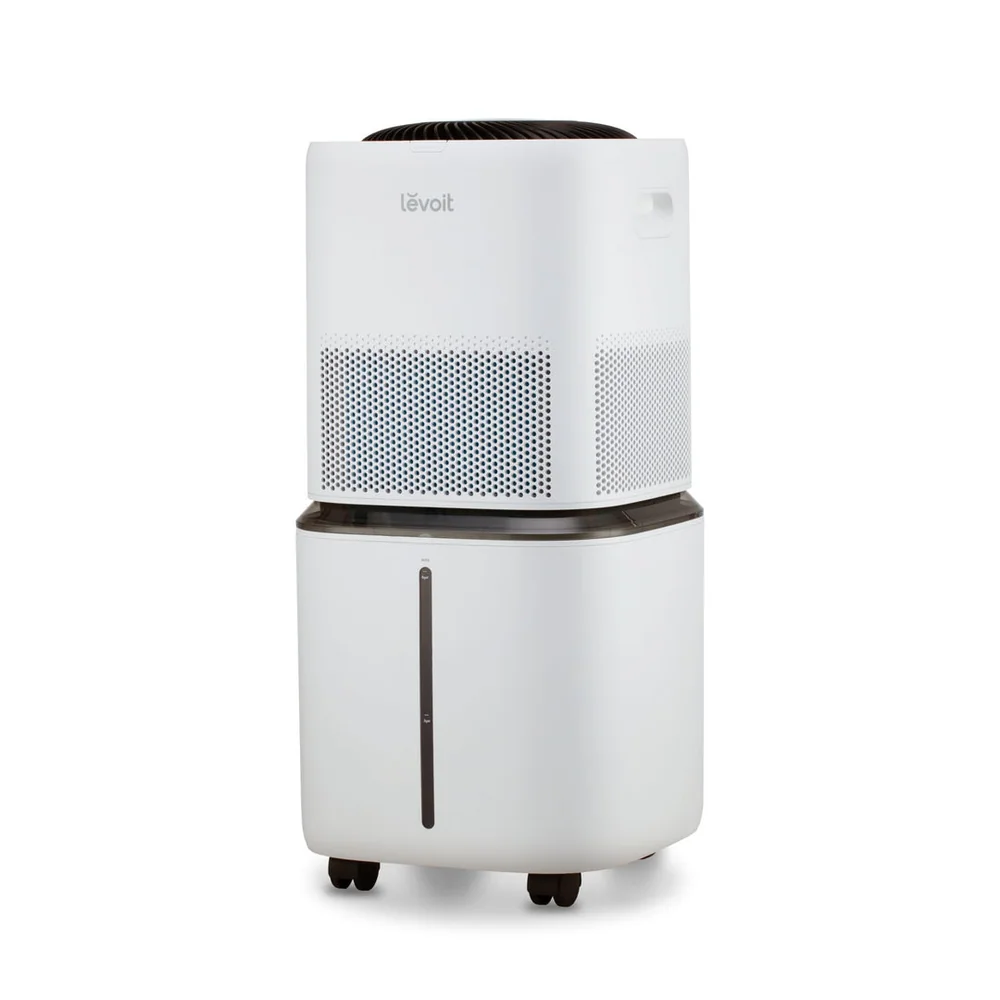
Levoit Superior 6000S Smart Evaporative Humidifier fits the shopper trying to humidify a large room or push moisture through a bigger portion of the home without babysitting the settings.
If you dislike recurring purchases, compare the long-term cost of distilled water or mineral cartridges (ultrasonic) versus replacement wicks (evaporative) before you commit.
Safety note: Do not let water sit in the tank for long periods. Empty and dry the tank and base if you will not use the humidifier for a few days.