Daily habits that prevent odors and slime
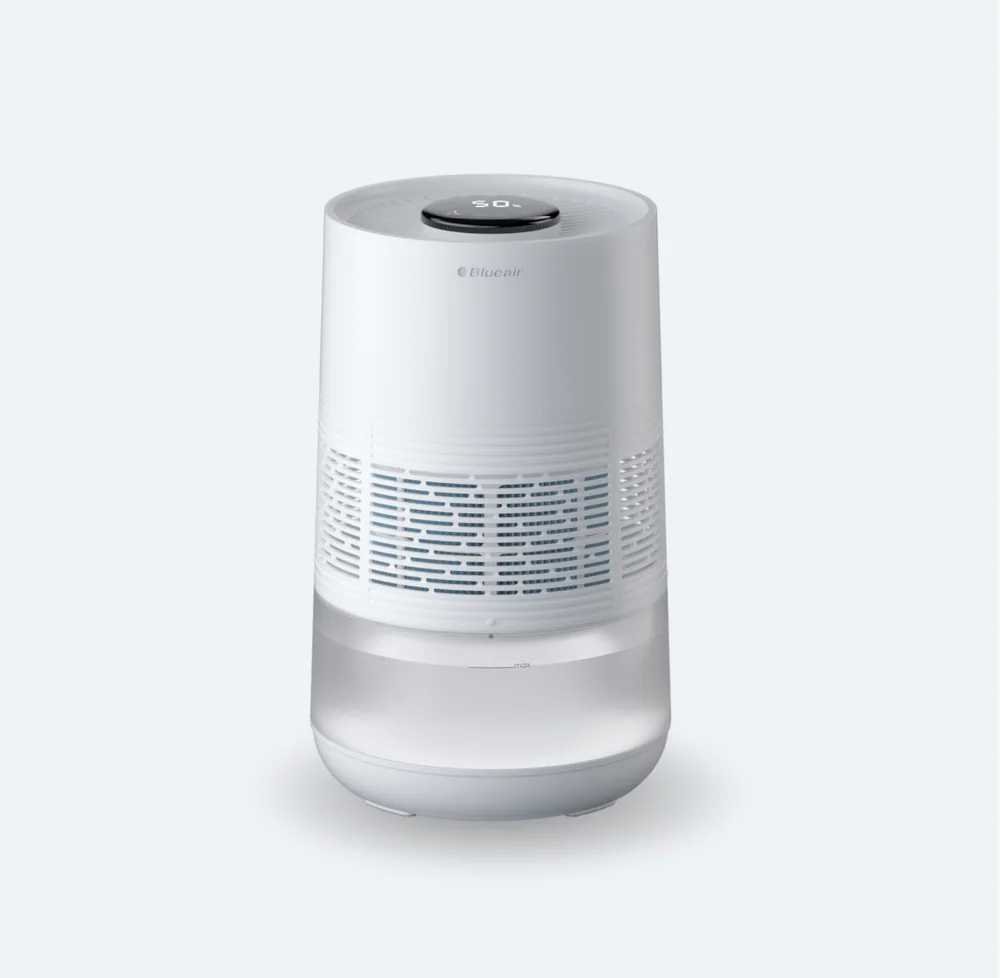
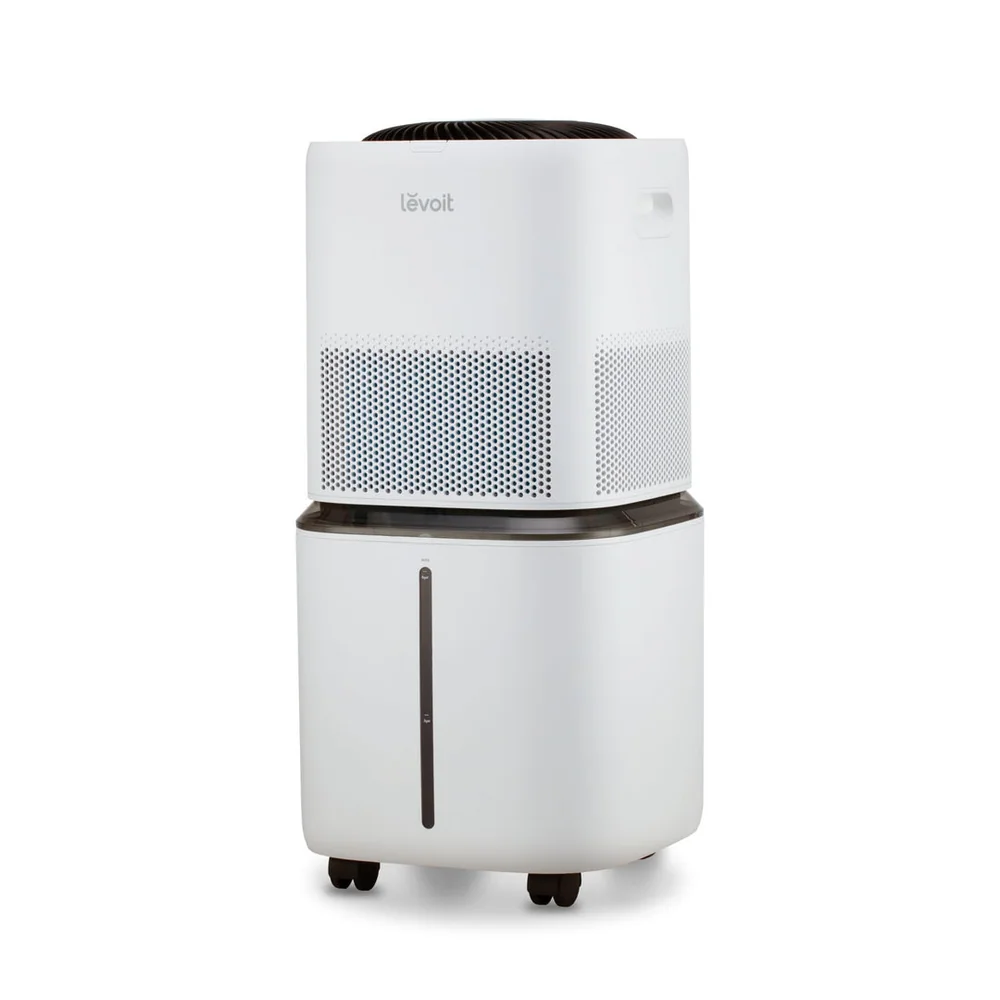
The most important daily task is to stop old water from sitting. Turn the unit off, unplug it, empty the tank and base, then give both a quick rinse. This interrupts biofilm before it gets established. If your humidifier has a separate base reservoir (common on ultrasonic and warm-mist units), do not forget it. That base is where water often lingers, and it is also where mist is generated or routed, so buildup there affects performance and smell faster than you might expect.
Refill with fresh water right before you plan to run it, not hours earlier. If you have hard tap water and an ultrasonic humidifier, consider using distilled water to reduce mineral dust and scale. If distilled water is not realistic, expect more frequent descaling and more wiping of nearby surfaces. Also check the room humidity with a separate hygrometer (a small meter that reads relative humidity). If you see window fogging or damp surfaces, run the humidifier less or lower the target humidity.
Weekly cleaning: what to scrub, what to soak, what to skip
Once a week, plan a deeper clean that reaches every wet surface you can access. Disassemble what the manual allows: tank cap, tank, base, mist nozzle, and any removable trays or floats. Scrub with a soft brush where fingers cannot reach, especially seams, corners, and around gaskets. Those are the spots that hold film and cause recurring odor. Rinse thoroughly so no cleaner residue gets aerosolized into the room when you restart the unit.
Do not assume "self-clean" modes replace manual cleaning. They can help, but they do not remove buildup trapped under edges or inside narrow channels. Avoid abrasive pads that scratch plastic, because scratches give film more places to cling. If your unit has a wick (evaporative humidifier), do not scrub it like a dish sponge. Wicks are designed to stay porous. Rough handling can tear fibers and reduce airflow, which lowers output and can make the fan louder.
Monthly descaling and parts checks that protect output
Scale is the chalky mineral crust left behind when water evaporates. It is common in ultrasonic and warm-mist bases, and it can also form anywhere water sits and dries. Once a month, descale the tank and base following the manufacturer's method, then inspect the mist outlet and any small passages for crust. Scale narrows openings and reduces moisture output, which can make a humidifier seem "weak" even when the fan or ultrasonic plate still works.
Use the monthly check to look for small problems that become big ones: cracked tank seams, flattened gaskets, a cap that no longer seals, or a float that sticks. These issues cause leaks, inconsistent cycling, and surprise puddles. For evaporative models, check the wick condition. If it feels stiff, smells musty after cleaning, or shows heavy mineral staining, it is usually time to replace it. A clogged wick reduces evaporation, so the unit runs longer with less humidity gain.
Seasonal storage and restart: avoiding the first-week funk
When you stop using a humidifier for the season, do not store it with any moisture inside. Clean it, descale it if needed, rinse well, then let every part air-dry completely before reassembly. Dry storage matters because leftover moisture in a closed tank or base can turn into odor that is hard to remove later. Store wicks separately if the manual recommends it, and do not keep a used wick sealed in plastic. That traps moisture and encourages musty smells.
At the start of the next season, do a quick restart routine before the first overnight run. Rinse the tank and base, confirm the cap gasket is seated, and run the unit for a short period while you are awake to confirm there are no leaks and no unusual smells. Replace any consumables you postponed, especially wicks. Finally, place the humidifier on a water-resistant surface with a little clearance around it. This reduces the chance that stray mist dampens wood furniture or walls.