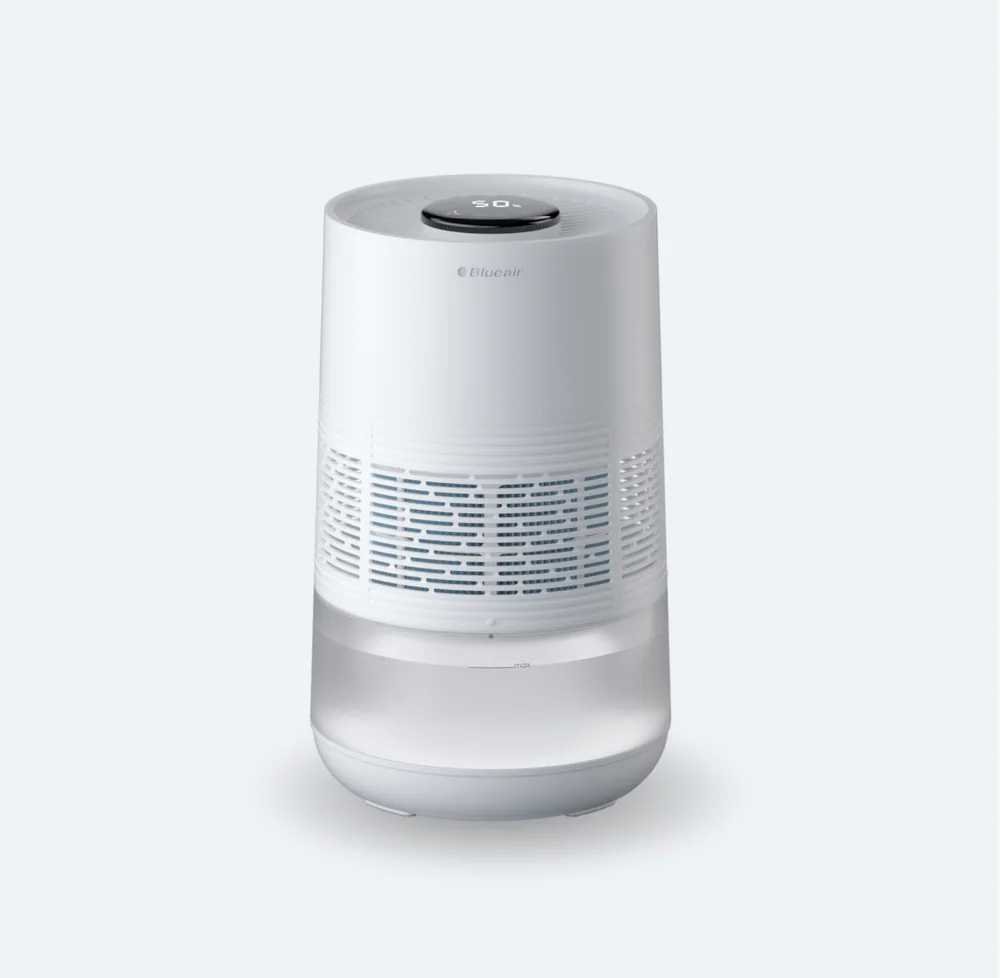
Humidifier safety comes down to preventing burns, avoiding excess humidity, and keeping standing water from turning into a hygiene problem.
Reading time: 9 minutesBest for: People using a humidifier in bedrooms, nurseries, or shared living spaces who want clear, practical safety priorities.
Burn risk and placement: warm mist versus cool mist
Warm-mist humidifiers heat water to create steam. That heat can cause burns if the unit is tipped, touched, or placed where a hand can reach the mist outlet. They also tend to run hotter at the base, which matters on nightstands, floors with delicate finishes, or anywhere a pet might brush against it. If you choose warm mist, treat it like a small appliance that gets hot: stable surface, out of traffic paths, and not within easy reach of kids.
Cool-mist humidifiers (ultrasonic and evaporative) avoid the hot steam hazard, but placement still matters. Put any humidifier on a water-resistant surface, a few feet from walls, curtains, and wood furniture so moisture does not settle and cause swelling or staining. Do not aim mist directly at a crib, bedding, or a plant shelf that is already damp. If you see wet spots, fogged windows, or damp fabric nearby, the humidifier is too close, too high, or set too strong.
Electrical and cord safety in real rooms
Humidifiers mix water and electricity, so cord habits matter. Use a properly grounded outlet if the unit calls for it, and avoid running the cord under rugs where heat and wear can build unnoticed. Keep the plug and outlet area dry, and do not place the humidifier where it could be splashed by a sink, shower, or pet water bowl. If the unit has a removable tank, carry the tank to the sink rather than carrying a full base with electrical parts.
Think about tug and tip hazards. A cord that drapes off a dresser is easy to pull, especially in a nursery or a room with pets. Route the cord behind furniture, use a shorter path, and keep slack off the floor. Also consider stability: tall, narrow humidifiers tip more easily than low, wide ones. If you routinely refill at night, choose a design that is easy to lift and reseat without sloshing water into the base.
Overhumidification: the hidden safety issue
More humidity is not always better. When indoor humidity gets too high, water condenses on cold surfaces like windows, exterior walls, and behind furniture. That moisture can feed mold and dust mites, and it can damage paint, drywall, and wood over time. The tricky part is that your skin might feel "better" while the room is quietly getting too damp, especially in small bedrooms with the door closed.
Use a separate hygrometer (a small meter that reads relative humidity) so you are not relying only on the humidifier's display or your comfort level. Place it away from the mist stream for a more honest reading. A humidistat is a built-in sensor that can cycle the humidifier on and off around a target, but it only measures where it sits. If one corner of the room is fogging up, lower the setting, move the unit, or run it for shorter periods instead of letting it run all night.
Standing water, microbes, and what "clean" really means
Any humidifier that holds water can develop buildup. Minerals from tap water can form scale, and slimy residue can develop on wet surfaces if water sits for days. Ultrasonic humidifiers can also spread minerals into the room as white dust when hard tap water is used. None of this is fixed by fragrance, UV lights, or "antimicrobial" claims if the tank and base are not regularly emptied and cleaned.
A practical routine is safer than occasional deep cleaning. Empty and refill with fresh water often enough that water is not sitting for long stretches. Rinse the tank and base so film does not get a head start, and descale on a schedule that matches your water hardness (hard water usually needs more frequent descaling). Choose a design with wide openings and fewer seams so you can physically reach the wet surfaces. If you cannot reach it, you are less likely to keep it truly clean.
What this guide helps you understand
Choose a humidifier and a setup that reduce burn and cord hazards, prevent overhumidifying, and make regular cleaning realistic.
Use a separate hygrometer to confirm room humidity and adjust settings before you commit to overnight use.
Products that fit this category guide
As an Amazon Associate I earn from qualifying purchases.
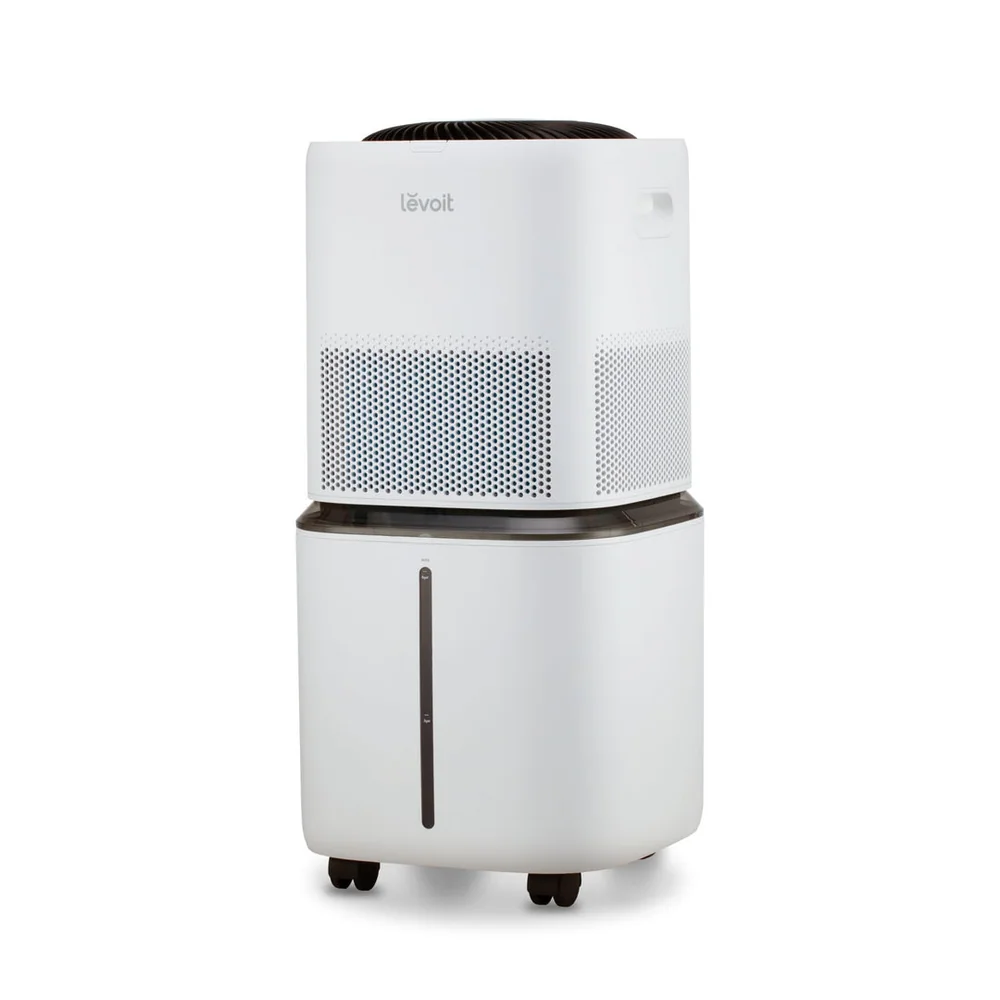
Levoit Superior 6000S Smart Evaporative Humidifier fits the shopper trying to humidify a large room or push moisture through a bigger portion of the home without babysitting the settings.