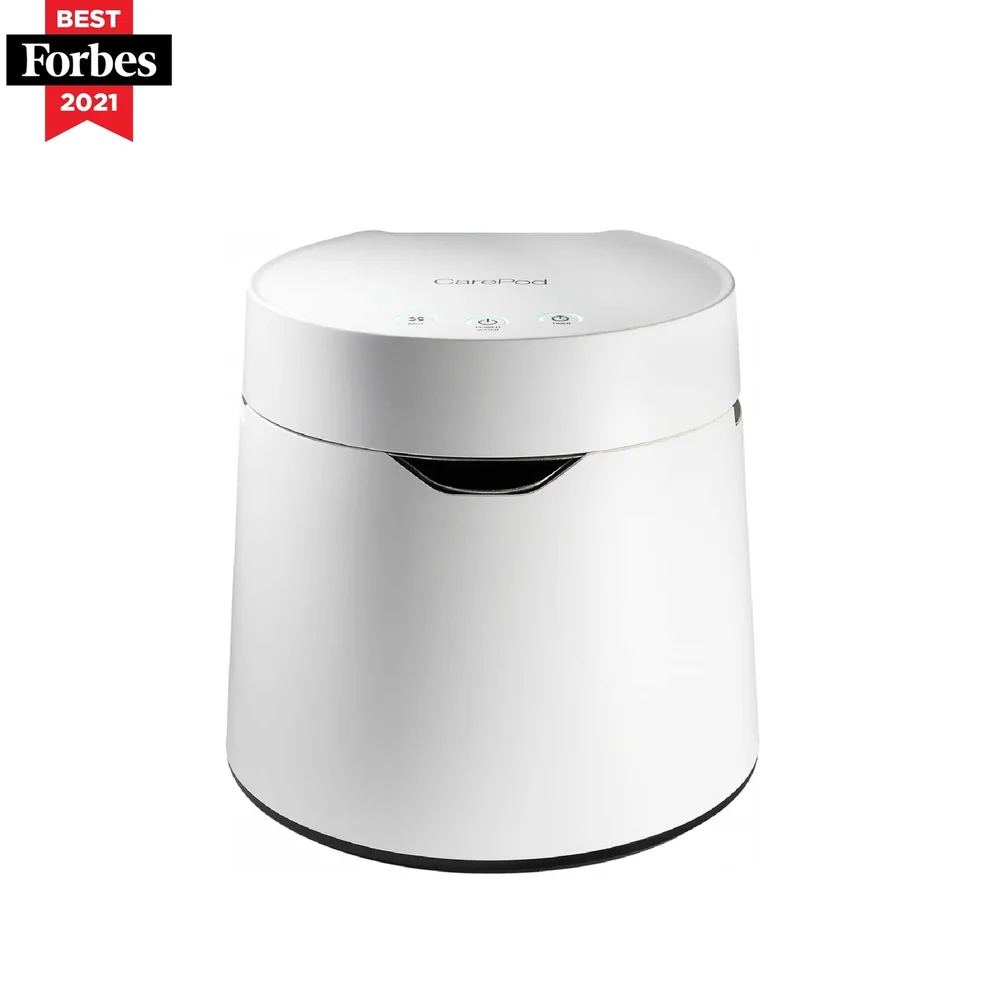
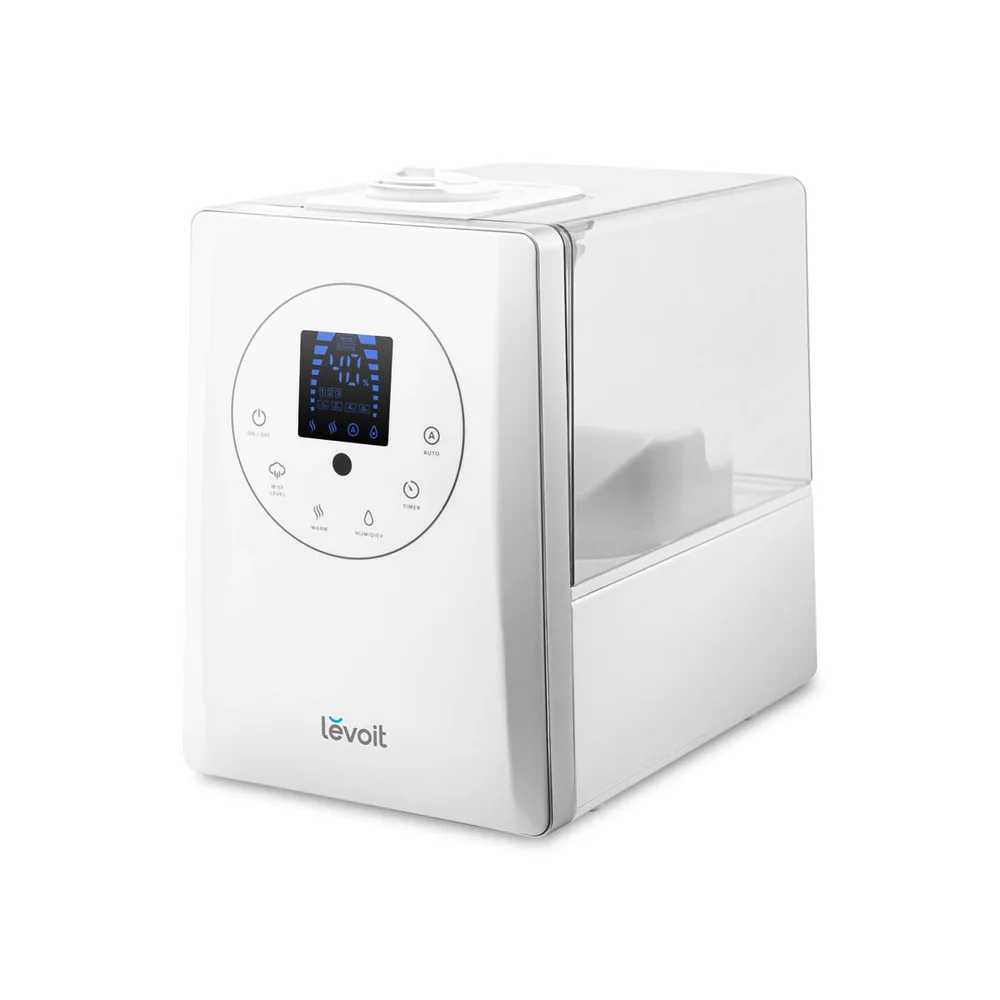
A nursery humidifier should be easy to clean, hard to tip, quiet enough for sleep, and able to hold a conservative humidity level.
Reading time: 9 minutesBest for: Parents and caregivers setting up a nursery humidifier with a focus on cleaning, cord safety, low disturbance, and avoiding excess humidity.
Cool mist first: safety and comfort basics
For nurseries, cool mist is usually the safer default because it avoids the burn risk of warm steam. Warm-mist humidifiers heat water, and a tipped unit or curious hand can cause injury. Cool-mist options include ultrasonic (quiet, visible mist) and evaporative (fan-driven, typically less mineral dust). Either can work in a nursery if you can keep it clean and keep humidity in check.
Placement is part of safety. Put the humidifier on a stable, water-resistant surface where it cannot be pulled down, and where mist will not blow into the crib or onto bedding. Avoid placing it directly under shelves or near books and stuffed items that can absorb moisture. If you notice damp spots on the floor or furniture, move the unit farther away and lower the output. In a small nursery, a little output goes a long way.
Cleaning and tank design: what you can keep up with
A nursery humidifier should be chosen like a dish you have to wash often. Standing water is the issue. Any humidifier that holds water can develop film, scale, and odors if it is not emptied and cleaned regularly. "Self-cleaning" language does not change the fact that you need access to the tank and base. Wide openings, fewer seams, and removable parts make it more likely you will actually clean it on schedule.
Think through your routine. If the tank is heavy, awkward, or hard to dry, it will sit with water in it longer. That is when problems start. Look for a design that lets you empty the tank completely, rinse it quickly, and wipe or air-dry the base. If your water is hard, plan for descaling (removing mineral buildup) more often. Mineral scale can reduce output and create places for residue to cling, which makes cleaning harder over time.
Humidity control: humidistat behavior and a separate hygrometer
A humidistat is a built-in sensor that turns the humidifier on and off around a target humidity. In a nursery, that matters because you want to avoid a room that stays damp all night. However, humidistats measure humidity near the unit, and readings can be thrown off if mist blows directly at the sensor or if the unit sits in a corner with different airflow than the rest of the room.
Use a separate hygrometer to confirm what the room is doing, especially during the first week. Place it away from the humidifier and away from exterior windows for a more representative reading. Watch for signs of excess humidity: fogged windows, damp trim, or a musty smell. If you see those, lower the setting, shorten run time, or switch to a type that is easier to control. Conservative humidity is the goal, not a tropical nursery.
Noise, light, and overnight usability
Noise is not just "loud" or "quiet." Ultrasonic units can hum, and evaporative units use a fan that can create steady airflow noise. Some humidifiers also gurgle as water moves. In a nursery, steady, low noise is usually less disruptive than intermittent clicks, beeps, or cycling sounds. If the humidifier has alerts, check whether they can be muted or whether they will chirp when the tank runs low.
Light matters too. Displays, night lights, and glowing buttons can be distracting in a dark room. If you prefer darkness, look for dimmable or fully off display options. Also consider overnight handling: can you refill without spilling, and can you do it without turning on bright lights? A top-fill design can be convenient, but only if the fill opening is large enough to avoid splashing and the lid seals reliably. The easiest humidifier to operate half-asleep is the one you will use consistently and safely.
What this guide helps you understand
Pick a nursery humidifier that stays safe and hygienic through daily life by prioritizing cool mist, easy cleaning, stable placement, and conservative humidity control.
Set up a separate hygrometer in the nursery and adjust the humidifier until you stop seeing window condensation or damp surfaces.
Products that fit this category guide
As an Amazon Associate I earn from qualifying purchases.
Plan where the humidifier will live before buying. If there is no stable, cord-safe surface away from the crib, choose a different size or layout.
Safety note: Keep cords out of reach, keep the unit away from the crib, and avoid warm-mist models in spaces where a child could touch or tip the humidifier.