Sizing for a plant zone: output, room volume, and runtime
Ignore "covers X square feet" as your only sizing tool. Moisture output is what actually raises humidity, and it has to match how dry your air is and how much space you are trying to influence. A small tabletop unit can make a noticeable difference in a closed bedroom, but it may do almost nothing in an open living room with high ceilings. If you group plants in one area, you can often humidify that zone more efficiently than trying to treat the entire home.
Runtime matters because plants benefit from consistency. A tiny tank that empties in a few hours can lead to a daily cycle of humid, then dry, then humid again. If you want overnight stability, look for a tank size and output level that can run through your typical dry period without constant refills. Also consider where you will refill it. If the sink is far away and the tank is awkward, you will refill less often, and the humidifier will not do its job.
Controls that prevent leaf wetness and damp rooms
Plants do not need mist on their leaves. They need higher humidity in the air around them. A humidistat is a built-in sensor that can cycle the unit around a target humidity, which helps avoid turning your plant corner into a damp spot that never dries. A separate hygrometer is still useful because the humidifier's sensor reads humidity where the machine sits, not necessarily where your plants are.
Place the humidifier so mist does not blow directly onto foliage, potting mix, or wood shelves. Direct mist can leave water spots on leaves, keep soil too wet, and encourage fungus gnats and mildew. If you see condensation on windows, damp drywall, or wet shelving, lower the setting, move the unit farther away, or run it in shorter blocks. For plant shelves, a gentle room-level increase is usually safer than a concentrated mist stream.
Water quality and mineral residue: avoiding white dust on leaves
Ultrasonic humidifiers create cool mist by vibrating water into tiny droplets. If you use hard tap water, those droplets can carry minerals that settle as white dust on leaves, shelves, and floors. That residue is not just cosmetic. It can clog leaf pores, leave spots on dark foliage, and add cleaning work around your plant area. Evaporative humidifiers usually leave minerals behind in a wick (a replaceable filter that stays wet), which reduces airborne dust.
Your water choice affects ownership cost. Distilled water can reduce mineral dust in ultrasonic units, but it adds ongoing expense and hauling. Evaporative units often need wick replacements, especially in hard water, and a neglected wick can smell musty and reduce output. If you want the lowest mess with typical tap water, prioritize designs that manage minerals well and make it easy to see, remove, and replace consumable parts.
Type choice for plant spaces: ultrasonic, evaporative, warm mist, console
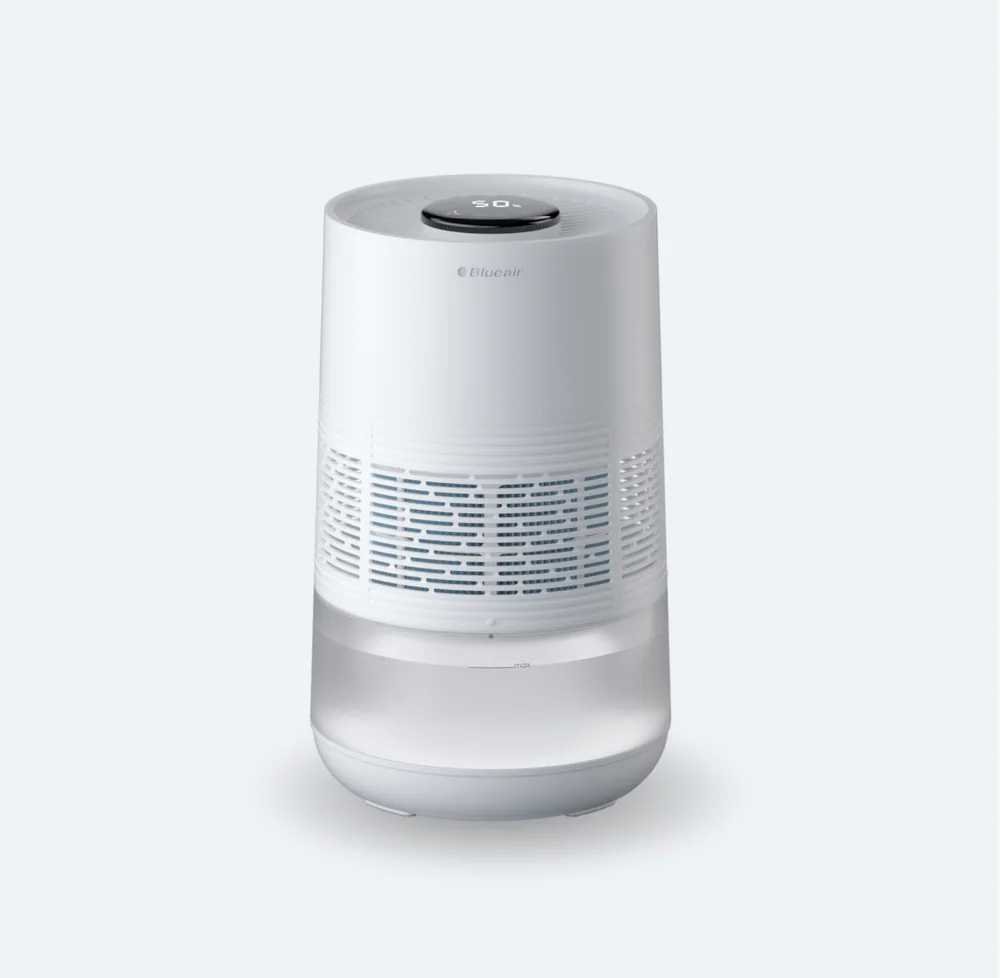
Ultrasonic models are popular for plant corners because they are quiet and can produce visible mist, but visible mist is not the same as effective humidity control. They can also create puddling if aimed poorly. Evaporative models use a fan to pull air through a wet wick, and evaporation naturally slows as humidity rises. That self-limiting behavior can be helpful in plant rooms where you want steadier humidity without constant tweaking.
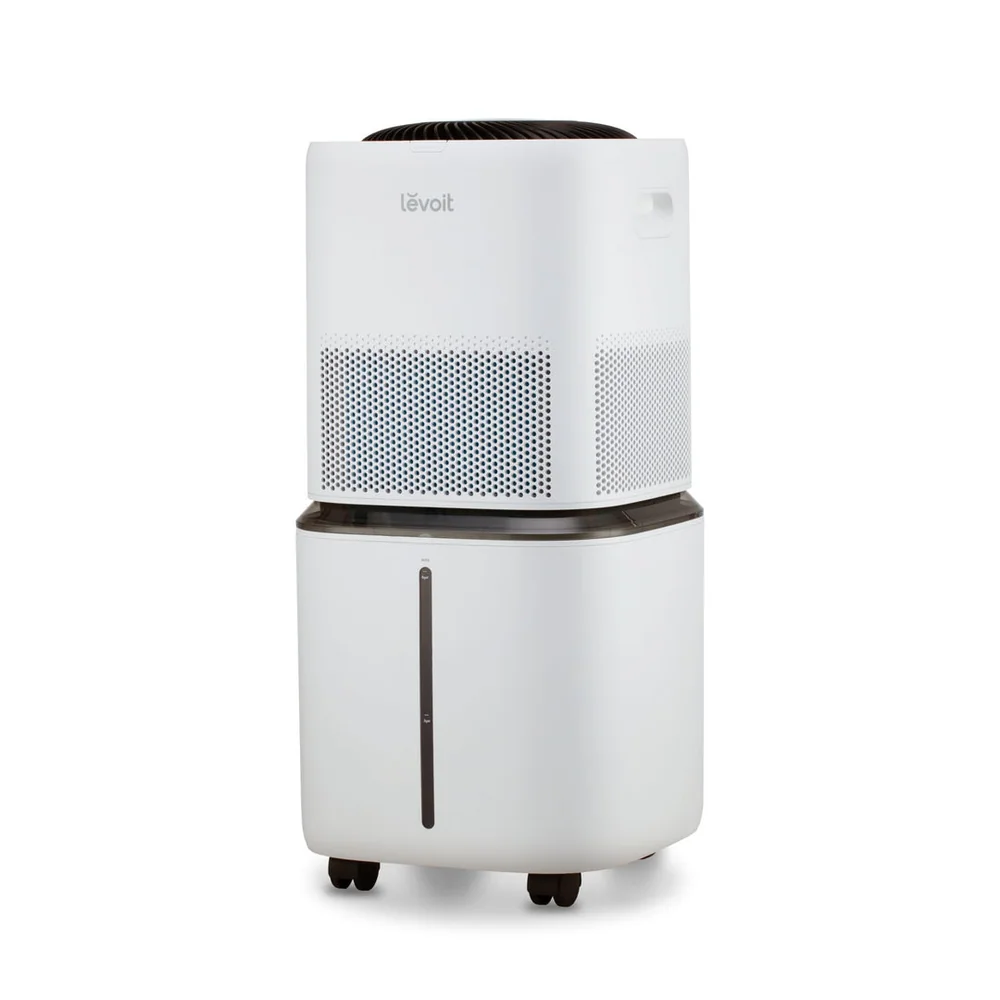
Warm-mist humidifiers are less common for plants because the heat adds energy use and creates a burn hazard, and the benefit to plants is usually minimal. Console or whole-room units can make sense if you are humidifying a large open area or many plants across a room, mainly because bigger tanks reduce refill frequency. Whatever type you choose, prioritize easy cleaning access. Plant areas already have moisture sources, so a neglected humidifier can become the smelly, slimy weak link.