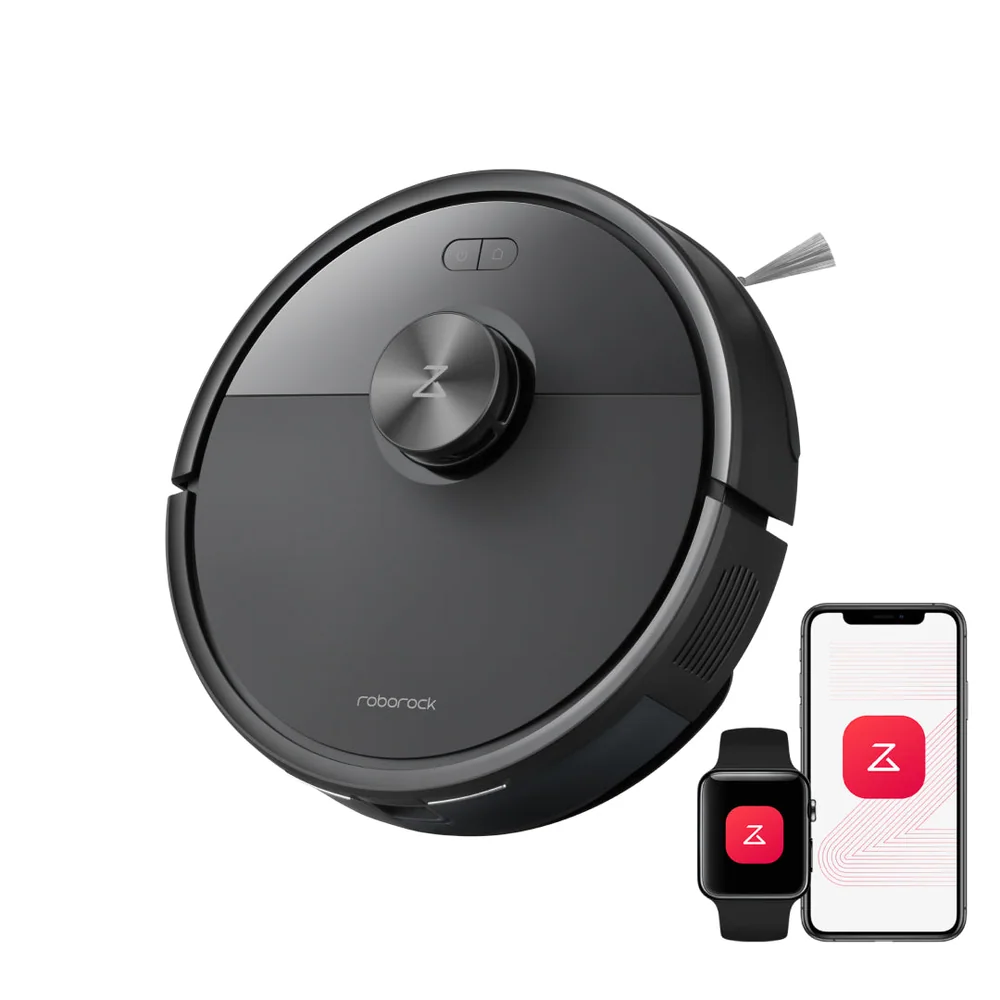
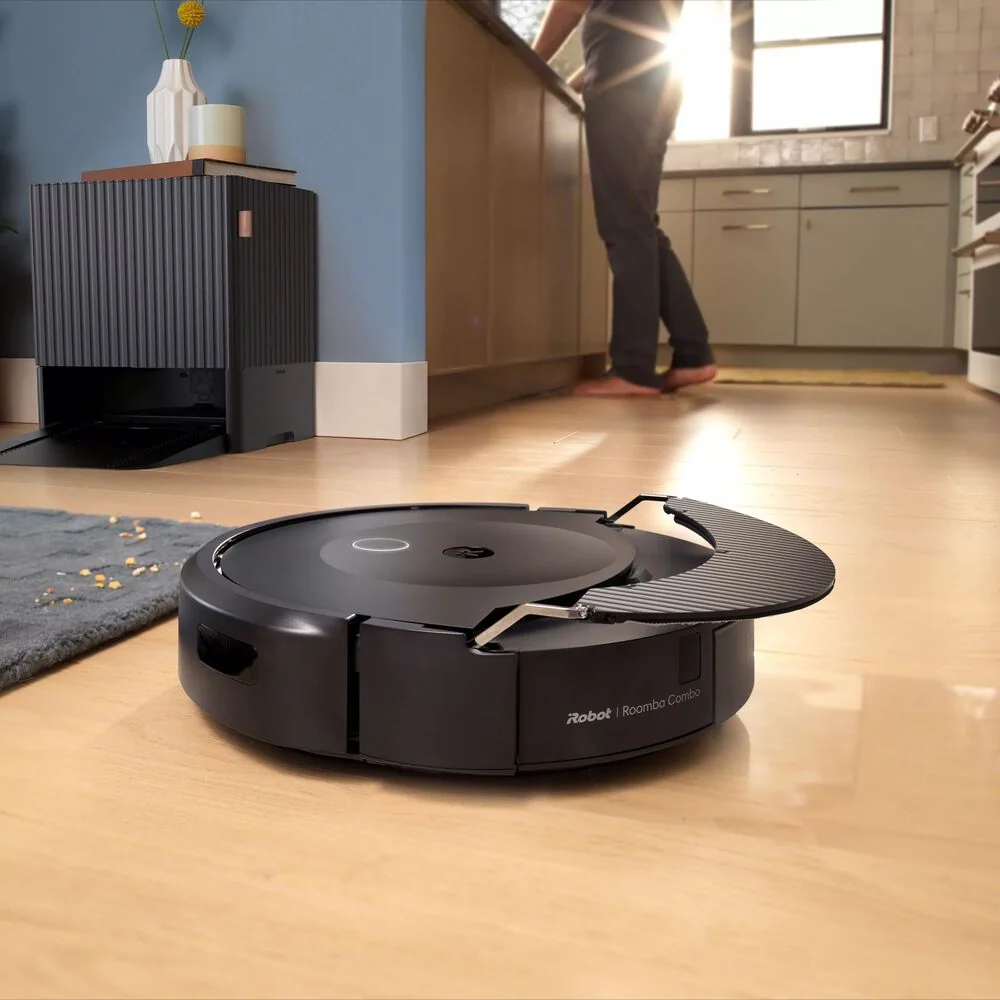
Robot Vacuums that fix daily grit without turning into a chore
Budget robot vacuums shine when you treat them as maintenance cleaners. Run one often and it prevents the slow buildup that makes hard floors look dusty and carpets feel gritty, especially where shoes land and where pets nap. If you expect it to replace a full-size vacuum, you will be disappointed on stairs, upholstery, deep carpet, and the tight edge line along baseboards. If you expect it to keep the baseline clean so your bigger vacuum comes out less often, it feels like money well spent.
Ownership is where -budget- can either feel smart or feel annoying. A small onboard bin fills quickly with hair and kitchen crumbs, which can reduce airflow and leave more behind if you do not empty it. Brushes collect hair, and when hair wraps around a roller it can stop the roller from spinning, which turns a cleaning run into a noisy, ineffective lap around the house. Budget models can still work great, but only if you are realistic about the small, regular tasks that keep performance steady.
Navigation and mapping matter more than suction numbers
Navigation and mapping is how the robot understands your home and plans its path. Basic models bounce around and eventually cover most of the floor, but they can waste battery repeating the same area while missing another. Mapping models build a floor plan so they can clean room by room, which usually means better coverage and fewer -it ran for an hour and the kitchen is still gritty- moments. In a budget pick, mapping is often the feature that makes the robot feel intentional instead of random.
Mapping also affects control. If the robot supports room schedules, you can run the kitchen every night and the bedrooms less often, which is a practical way to stretch a smaller battery and keep the dirtiest zones under control. No-go zones are another mapping benefit: you can block a rug fringe area, a pet bowl corner, or a cable-heavy desk zone so the robot does not get stuck and skip the rest of the run. If you cannot set boundaries, you may end up -pre-cleaning- the floor just to make the robot usable, which defeats the point of automation.
Brushes, rollers, and bins decide pet hair success
Brush and roller design is the part that physically agitates carpet and pulls debris into the airflow. A roller that keeps good contact with the floor tends to lift more grit from rugs and low pile carpet than a design that mostly glides. Side brushes help sweep along baseboards and into corners, but they can also flick lightweight debris outward if the robot is moving too fast or the brush is too stiff. In budget models, brush design often explains why two robots with similar -power- claims leave very different results.
Pet hair performance is not just -strong suction.- Hair wraps around rollers and can clog air paths, and once airflow drops the robot starts leaving fuzz trails. That is why bin capacity and how often you run the robot matter: frequent runs pick up smaller amounts of hair before it mats into carpet or forms tumbleweeds, and they keep the bin from packing tight. If you have long hair in the home, plan on regular roller cleaning, and consider designs that are easier to remove and clear without tools because that convenience is what keeps you consistent.
Budget-friendly docks and mops: what helps and what adds work
The dock and bin system determines how often you deal with dirt. A self-empty base docks the robot and sucks its bin into a larger bag or bagless canister, which can turn a robot vacuum from -nice but needy- into something you actually run daily. The tradeoffs are space for the base, a loud emptying burst, and ongoing bag costs if it uses bags. In a pet home, skipping self-empty can be the difference between loving the robot and abandoning it after a month of constant bin emptying.
If you are considering a robot vacuum with a mop pad, treat it as light, frequent wiping, not a real mop replacement. These systems typically vacuum, then drag a damp pad behind, which helps with footprints and fine dust on hard floors but struggles with sticky spills and dried-on kitchen messes. Mop ownership is also real: pads need washing, tanks need rinsing, and leaving a damp pad sitting can cause odor and streaking. If you want mopping to be more than an occasional add-on, a dock that can wash and dry pads reduces the -gross factor,- but it also adds a larger dock to maintain and keep clean.
What this guide helps you understand
Pick a budget robot vacuum by matching navigation, brush design, and bin handling to your floors and hair, not by chasing a single suction claim.
Before you buy, list your main floor types (hard floors, rugs, carpet), your biggest debris (crumbs, grit, pet hair), and whether you will actually empty a small bin every run or need a self-empty base.