Setup that stays set up: mapping, zones, and schedules
Easy setup starts with a clean first mapping run. Mapping is the robot building a floor plan so it can clean efficiently. For the first run, open doors you want included, turn on lights if your robot uses a camera for navigation, and clear obvious hazards like charging cables and socks. A good map makes everything else easier: room naming, room-specific schedules, and targeted cleans when you spill crumbs in one area.
No-go zones and keep-out areas are the -set it and forget it- tools that prevent daily rescues. Use them around pet bowls, delicate floor lamps, toy bins, and cable nests. If your home changes often, like kids moving toys room to room, obstacle avoidance helps, but it works best as backup, not as permission to leave clutter everywhere. The easiest ownership experience comes from a robot that can run while you are busy, not one that requires a pre-cleaning scavenger hunt every time.
Pick the dock and bin system that matches your tolerance
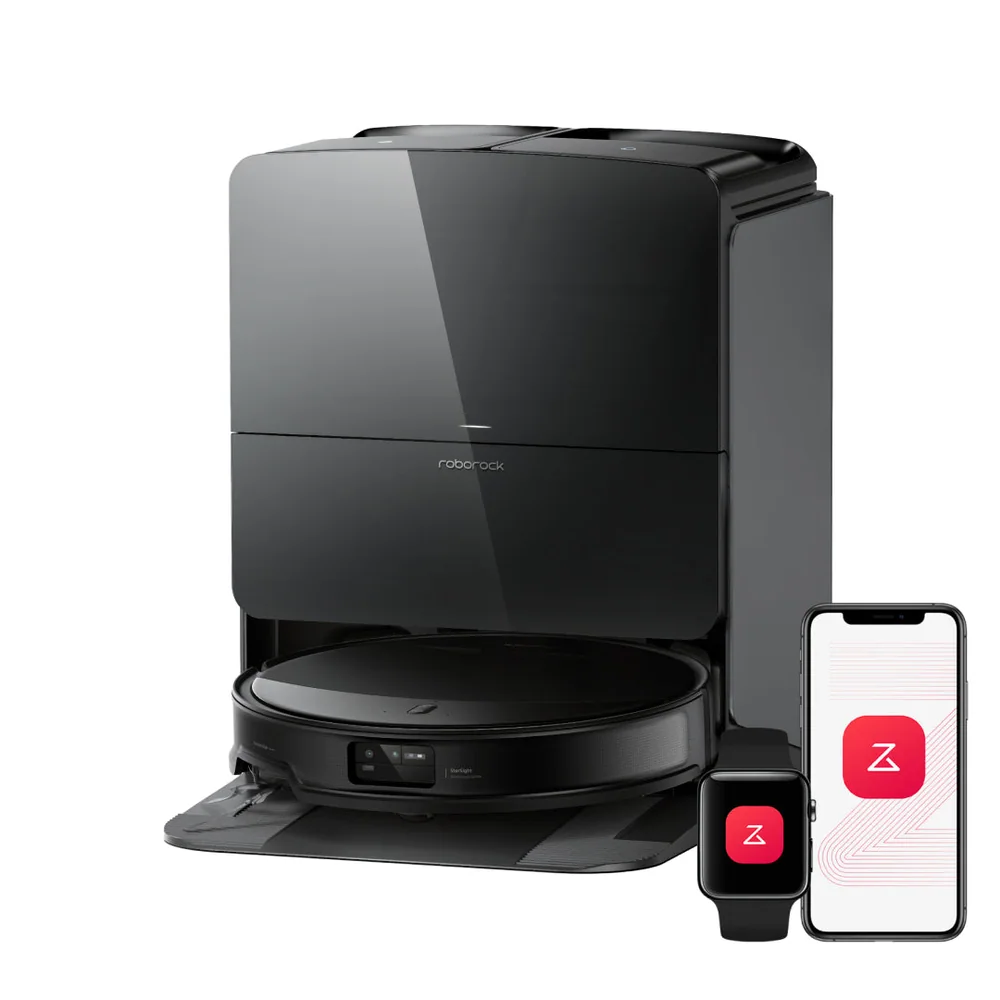
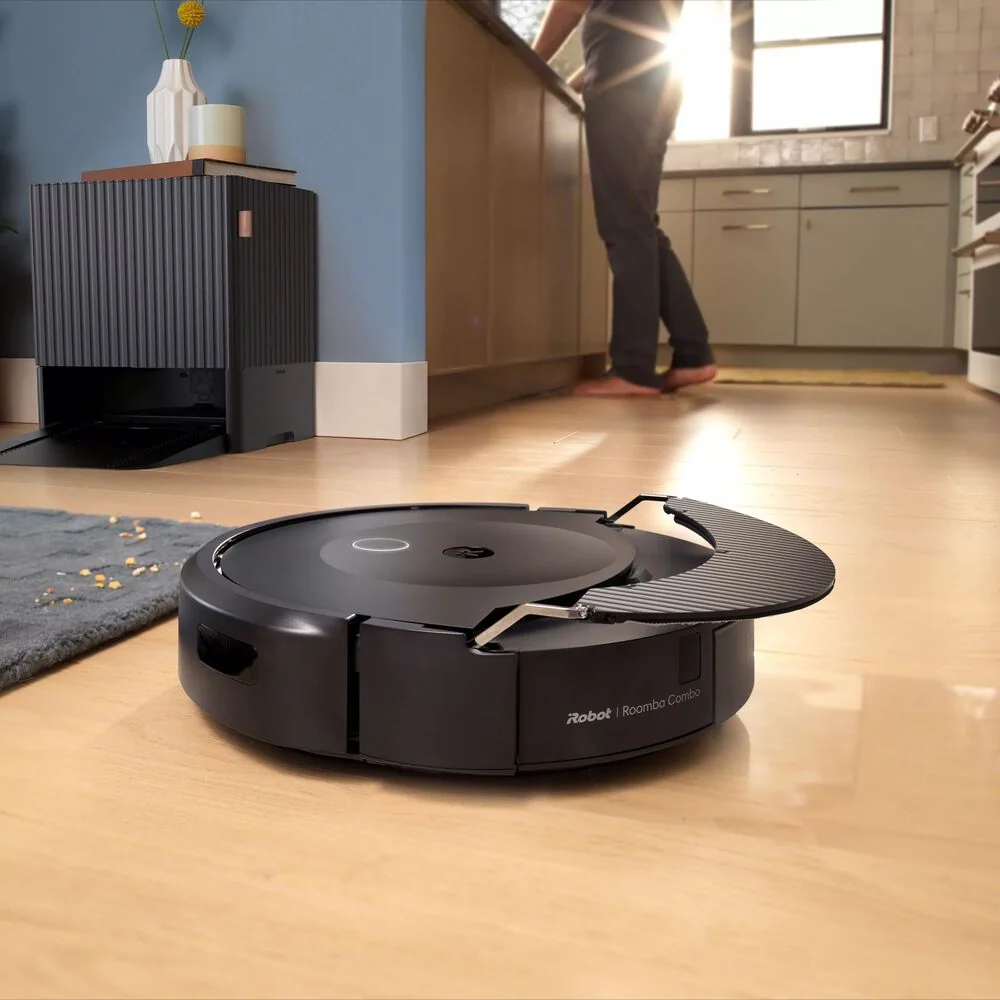
The biggest ease-of-use divider is whether you will empty a small bin by hand. Robot bins fill fast with pet hair, long hair, and gritty debris. If you skip emptying, performance drops because airflow is restricted and the robot may leave trails. A self-empty base reduces how often you touch dust and hair, which is a major quality-of-life improvement for many owners.
That said, a self-empty base adds its own tasks: occasional bag changes or canister cleaning, and making room for a larger dock. If you want the simplest day-to-day routine, prioritize easy access to the robot’s bin, a base that seals well (so dust does not puff out), and clear indicators for when the base needs attention. The easiest system is the one you will maintain on time, because neglected bins and filters quickly turn -smart cleaning- into -why is it not picking anything up.-
Maintenance that takes minutes, not an hour
Robot vacuums are small machines that live on the floor, so maintenance is part of the deal. The core tasks are: emptying the bin (or maintaining the base), clearing hair from the main roller, cleaning the side brush, and replacing or cleaning the filter. The easiest robots make these parts tool-free and obvious. If removing the roller requires wrestling with clips or tiny screws, you will put it off, and hair wrap will build until cleaning performance drops.
Plan a simple cadence tied to your home. In a pet home, check the roller and bin more often. In a dusty home, filters clog faster. Wipe sensors and charging contacts occasionally so the robot does not get -lost- or fail to dock. If your robot has a mop feature, treat pad care as non-optional. A dirty pad can smear grime and create odors. Easy-to-use mopping means pads that are easy to remove and wash, and tanks that are easy to rinse without drips.
Reduce babysitting: prevent the common stuck scenarios
Most -dumb robot- moments are predictable. Cords, strings, and fringe rugs are the classic tangles. Low-clearance furniture can trap a robot that barely fits underneath, then it cannot turn around. Thresholds and thick rugs can strand a robot mid-transition. An easy-to-use robot is one that avoids these traps or recovers gracefully, but you can also set your home up to help it succeed.
Do a one-time -robot-proofing- walk-through. Bundle charging cables, lift curtain cords, and decide which rugs are robot-friendly. If a room is consistently problematic, use a no-go zone instead of hoping the robot behaves differently next time. Also pay attention to where you place the dock. Give it a clear approach path so the robot docks on the first try. Fewer docking failures means fewer dead-battery rescues and fewer half-finished cleans.