Mapping that stays stable across long runs
Mapping is the robot’s saved floor plan. In large rooms, mapping matters because the robot needs a reference to clean efficiently instead of re-discovering the space every time. Look for room-by-room cleaning and the ability to name rooms, set schedules by room, and create no-go zones. Those tools let you target the high-traffic areas more often without running a full-house marathon every day. If your home has multiple floors, make sure it can store more than one map so you are not constantly re-mapping.
Open layouts can confuse weaker navigation because there are fewer landmarks. Big blank walls, wide open floors, and repeating furniture shapes can lead to drift, where the robot’s idea of where it is slowly gets off. You will notice this when it starts missing strips, bumping more than it used to, or -forgetting- a room boundary. Help the map stay accurate by keeping the dock in a consistent spot, leaving a little clearance around it, and avoiding frequent dock moves. If you rearrange furniture, run a full clean to let the robot update the map.
Battery, recharge-and-resume, and realistic coverage
Battery life is not just a number. In large rooms, what matters is whether the robot can finish the job without you babysitting it. Recharge-and-resume means the robot returns to the dock when low, recharges, then continues the same cleaning session. Without it, a big-space run can end halfway through, and you are left with inconsistent results. Also pay attention to cleaning modes. Higher suction and deeper carpet modes drain batteries faster, so a robot that -covers the whole house- on low power may not do the same on your rugs.
A practical approach is to schedule frequent maintenance cleans instead of occasional deep cleans. Daily pickup keeps debris from building up, which reduces the time the robot needs per run and lowers the chance it fills the bin early. If you have a mix of hard floors and rugs, consider splitting schedules: run the kitchen and entry daily, then run the full open area a few times a week. This keeps the robot from spending its entire battery budget on the dirtiest zones and quitting before it reaches the quieter corners.
Dirt handling: bin size, self-empty bases, and airflow clogs
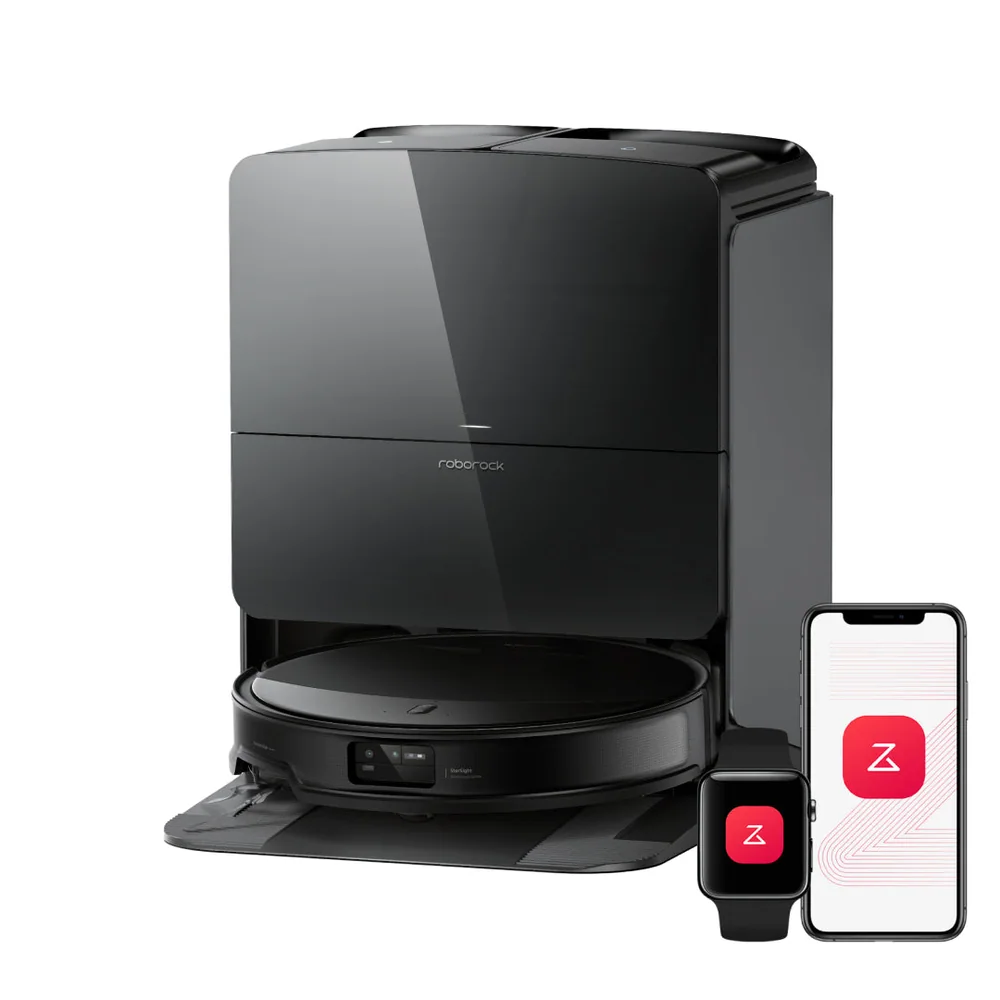
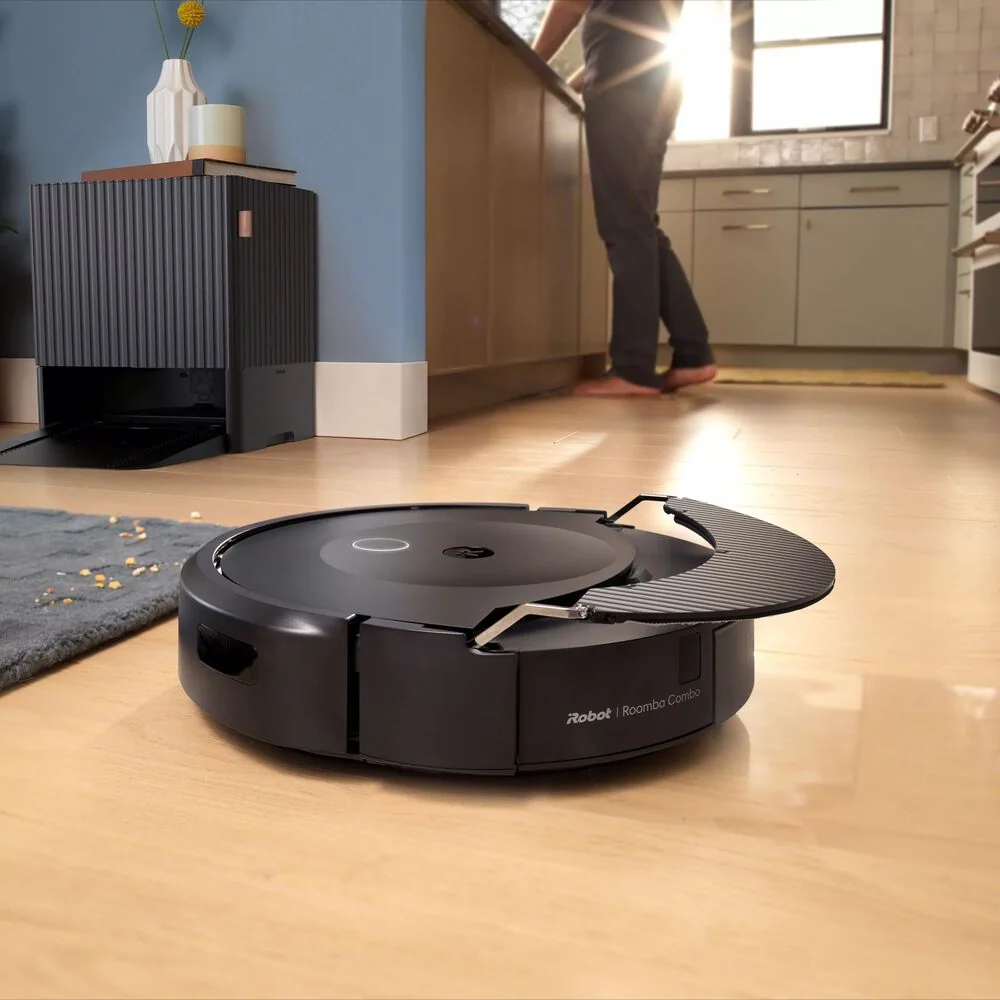
Large rooms create more debris volume, even if the floor looks clean. A small onboard bin can fill quickly with dust, crumbs, and hair, which reduces airflow and cleaning performance. A self-empty base solves this by pulling debris out of the robot into a larger container after each run. The tradeoffs are space for the base, louder noise during emptying, and ongoing costs if it uses bags. For big spaces, the convenience is often the difference between running it daily and letting it sit.
Even with a self-empty base, you still need to prevent clogs. Fine dust can cake filters, and long hair can wrap around rollers and block air paths. If your robot starts leaving trails of debris or sounds strained, check the roller, the end caps (where hair often hides), and the air channel from the bin to the filter. In big homes, a simple routine helps: quick brush check weekly, filter tap-out or rinse if the filter type allows it, and a deeper clean monthly. Consistent maintenance keeps long-run performance from slowly declining.
Floor plan realities: thresholds, rugs, and edge cleaning in big spaces
Large rooms often include transitions: area rugs, thicker rug edges, and thresholds between rooms. Make sure the robot can climb the transitions you actually have, not just what looks good in photos. If you have plush rugs, brush design matters as much as suction. A roller that can agitate carpet fibers will pull grit up instead of just skimming the surface. For hard floors, a side brush helps sweep debris from baseboards into the main path, but it can also fling larger crumbs if the robot moves too fast.
Edge and corner cleaning is where big rooms show the -robot vacuum gap.- Robots are round, so corners and tight edges usually need occasional touch-ups with a stick vacuum or handheld. You can reduce the problem by setting the robot to do an extra perimeter pass in the main room, and by keeping clutter off the floor so it can actually reach the edges. If you use a mop feature, treat it as light maintenance. In a big kitchen area, frequent light mopping can keep footprints down, but sticky spills still need a manual wipe.