Choose navigation that matches how you live
Navigation and mapping is how the robot understands your home and plans its path. Basic robots tend to bounce around until the battery runs low, which can leave some areas gritty while other areas get repeated passes. Mapping robots build a floor plan so they can clean room by room, return to missed spots, and resume after charging. In a typical home, that translates to more consistent coverage and fewer -it ran for an hour and the kitchen still looks dirty- moments.
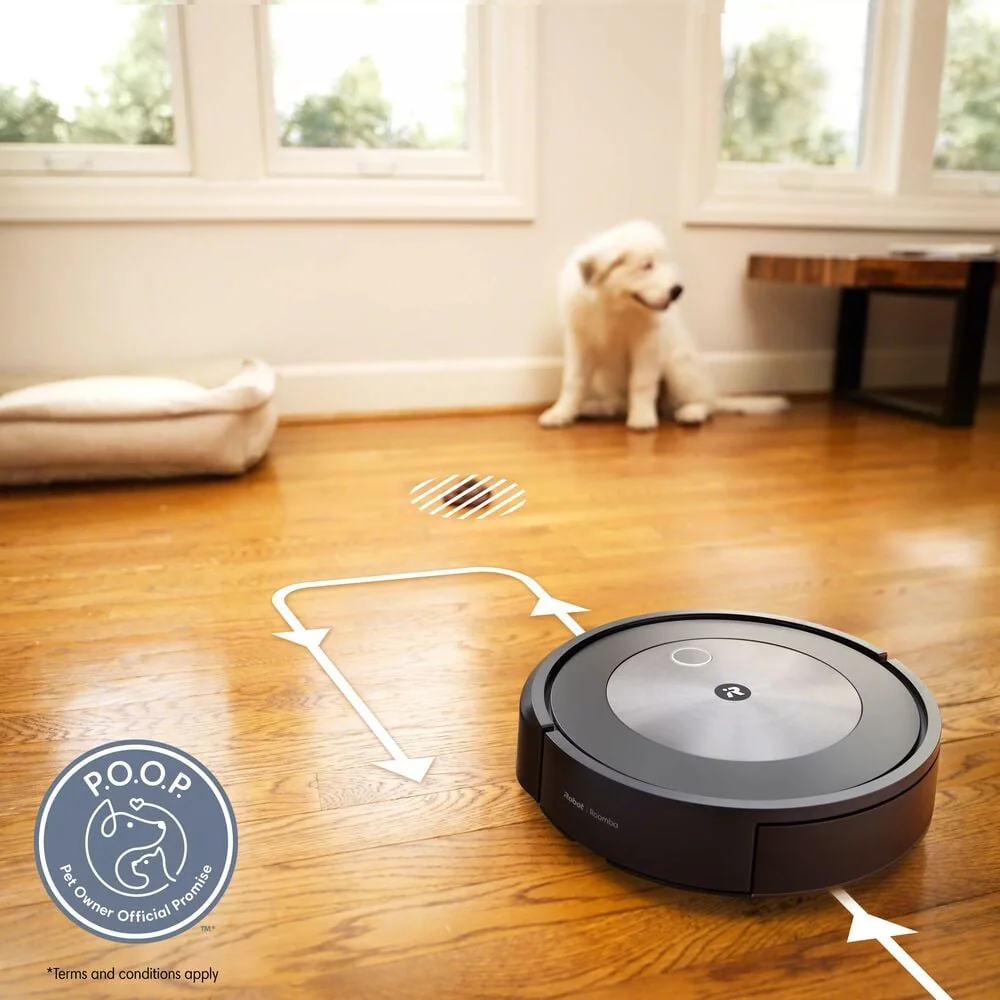
Look for controls that fit your routine: room selection, zone cleaning (like -just the entryway-), and no-go zones for problem areas. No-go zones are especially useful around pet bowls, kids’ play areas, and cable-heavy corners. Obstacle avoidance is separate from mapping. It helps the robot steer around objects like shoes and cords, but it is not magic. If your floors are often cluttered, better avoidance reduces babysitting, but you will still get the best results by doing a quick pickup before scheduled runs.
Brush design beats suction hype on real floors
Suction numbers are easy to market and hard to compare across brands. What usually decides real-world cleaning is the brush and roller design: the parts that agitate carpet and pull debris into the airflow. A roller that keeps steady contact with the floor can lift grit from low-pile rugs better than a robot that simply moves air. Side brushes help sweep debris from edges into the main path, but they can also flick larger crumbs if the robot moves too fast or the brush is too stiff.
If you have pets or long hair, plan for hair wrap. Some rollers tangle less, but none are truly -no maintenance.- The practical question is how often you will need to clear the roller and whether the design makes that quick. Also consider your thresholds and rug edges. A robot that struggles to climb onto rugs will underperform no matter how strong it is on paper. For mixed floors, you want stable transitions, decent edge pickup, and a roller that does not choke on hair after two runs.
Decide how much -ownership- you want: bin, base, and filters
The dock and bin system determines whether the robot feels convenient or needy. With a small onboard bin, you may empty it every run, especially with pets, long hair, or a lot of tracked-in grit. A self-empty base pulls debris into a larger bag or canister at the dock. That can turn daily cleaning into something you actually stick with, because the robot can run for days without you touching it.
The tradeoffs are real: self-emptying is loud for a short burst, the base takes floor space, and bagged systems add ongoing costs. Bagless bases avoid bags but still need periodic cleaning, and fine dust can be messier to handle. Filters matter too. A clogged filter reduces airflow and makes the robot look -weak,- even if nothing is wrong with the motor. If you want best-overall ownership, prioritize easy bin access, easy roller removal, and filters you can replace without hunting for special tools.
If you want mopping, treat it as a separate decision
Many robot vacuums add a mop pad that drags a damp cloth behind the robot. This is best for light, frequent wiping: footprints, fine dust, and the dull film that builds up on hard floors. It is not the same as scrubbing a sticky spill. If you expect -real mop- results, you will be disappointed unless the system manages water well and you are willing to maintain pads and tanks.
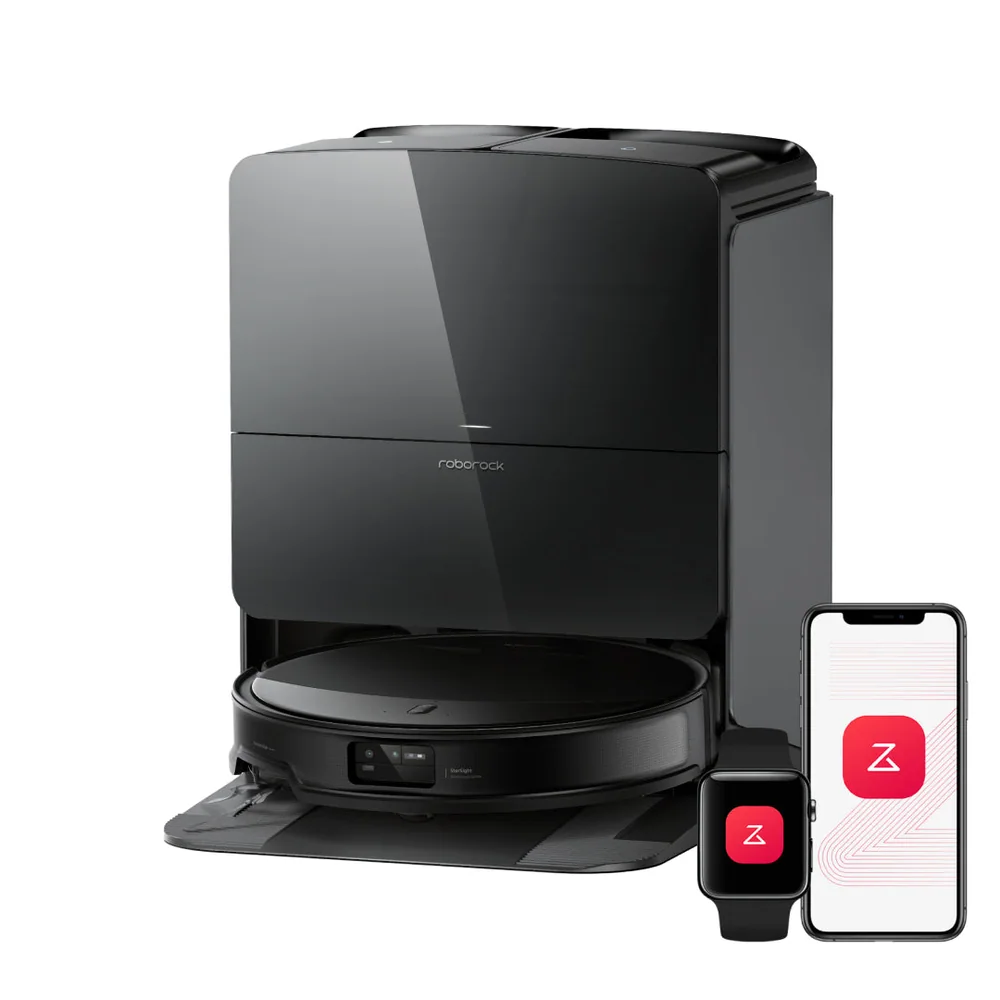
A dock that washes and dries mop pads can make mopping more consistent, but it also adds a larger station to live with and more parts to clean. If you choose a mop feature, plan a routine: swap or wash pads regularly, empty and rinse dirty-water components if your system has them, and do occasional deeper mops in kitchens and around litter boxes. The best overall robot for many homes is still vacuum-first, with mopping as a bonus rather than the main reason to buy.
What this guide helps you understand
Pick a robot vacuum by matching navigation, brush design, and dock style to your floors and daily habits, not by chasing the biggest suction claim.
Before buying, list your floor types (hard floors, low-pile rugs, carpet), your biggest debris (crumbs, grit, pet hair), and whether you will realistically empty a small bin every run.