Understand where the noise really comes from
During cleaning, noise comes from airflow (the fan moving air), brush contact with the floor, and rattling debris in the bin. Higher suction modes usually mean more fan noise, but they can also shorten cleaning time if they pick up better in one pass. On hard floors, a stiff brush or an aggressive side brush can add a tapping or chattering sound that feels louder than the fan itself, especially on tile grout lines or uneven wood.
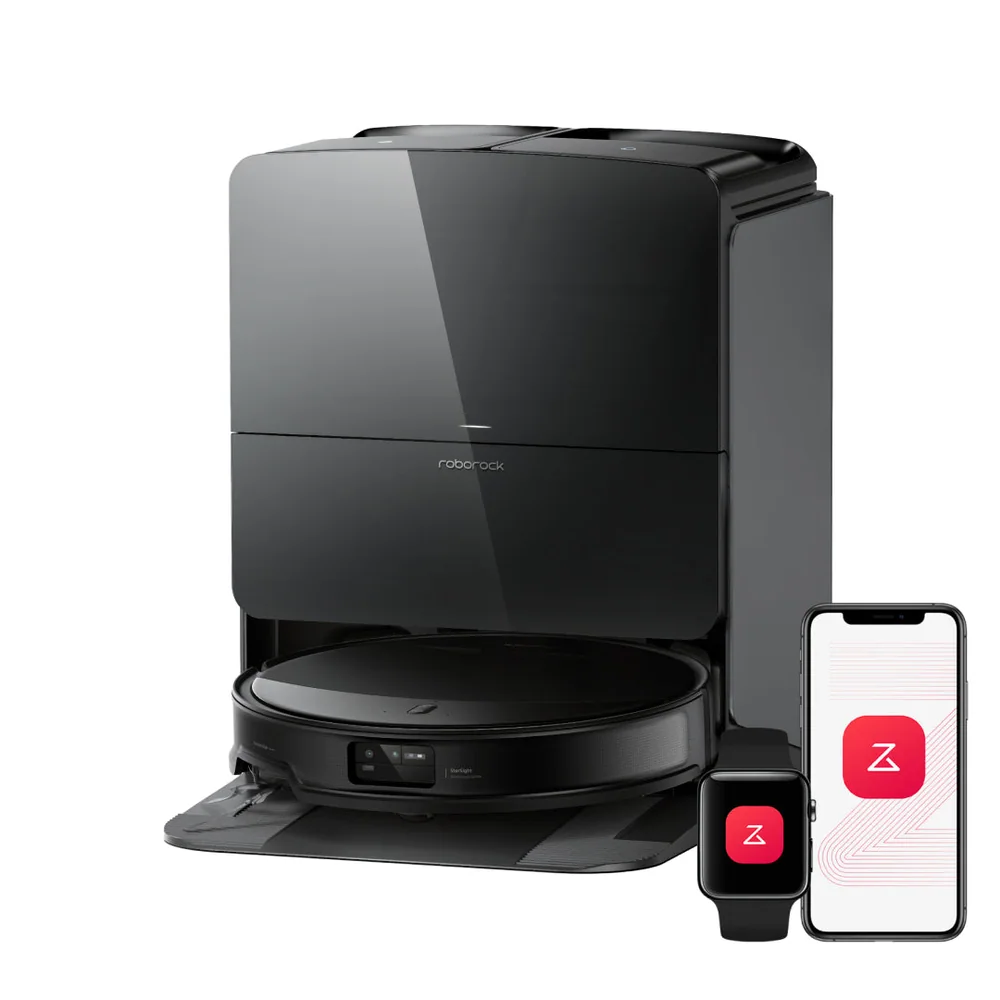
The dock can be the loudest moment in the whole experience. Self-empty bases use a powerful suction motor to pull debris out of the robot’s bin, and that burst can be startling even if it only lasts a few seconds. If quiet is your priority, think about when that emptying happens and whether you can control it. Some households prefer a non-emptying dock to avoid that peak noise, even if it means more frequent manual emptying.
Use scheduling and room targeting to reduce -perceived loudness-
Perceived loudness is how disruptive the noise feels, not just how loud it is. A robot that runs for 120 minutes at a moderate volume can feel more annoying than one that runs for 45 minutes a bit louder. Mapping helps here because you can clean only the rooms that need it. For example, you can run the kitchen and entryway after dinner, then do bedrooms mid-day, instead of letting the robot wander everywhere every time.
If your robot offers power levels, start with the lowest setting that still keeps up with your daily debris. On hard floors, lower power often works fine if you run it more often. Save higher power for rugs, pet zones, or weekly deeper maintenance. Also consider timing around the dock. If you have a self-empty base, schedule the run so the emptying happens when you are in another room, on a call break, or out of the house.
Quiet cleaning depends on brushes, wheels, and floor prep
Brush and roller design affects noise because it changes how the robot contacts the floor. A roller that maintains smooth contact can be quieter than one that bounces and chatters. Side brushes can slap baseboards and furniture legs, which is not dangerous but can be irritating. Wheels matter too. Hard wheels on hard floors can transmit vibration, especially if the robot is moving quickly and making frequent turns due to poor navigation.
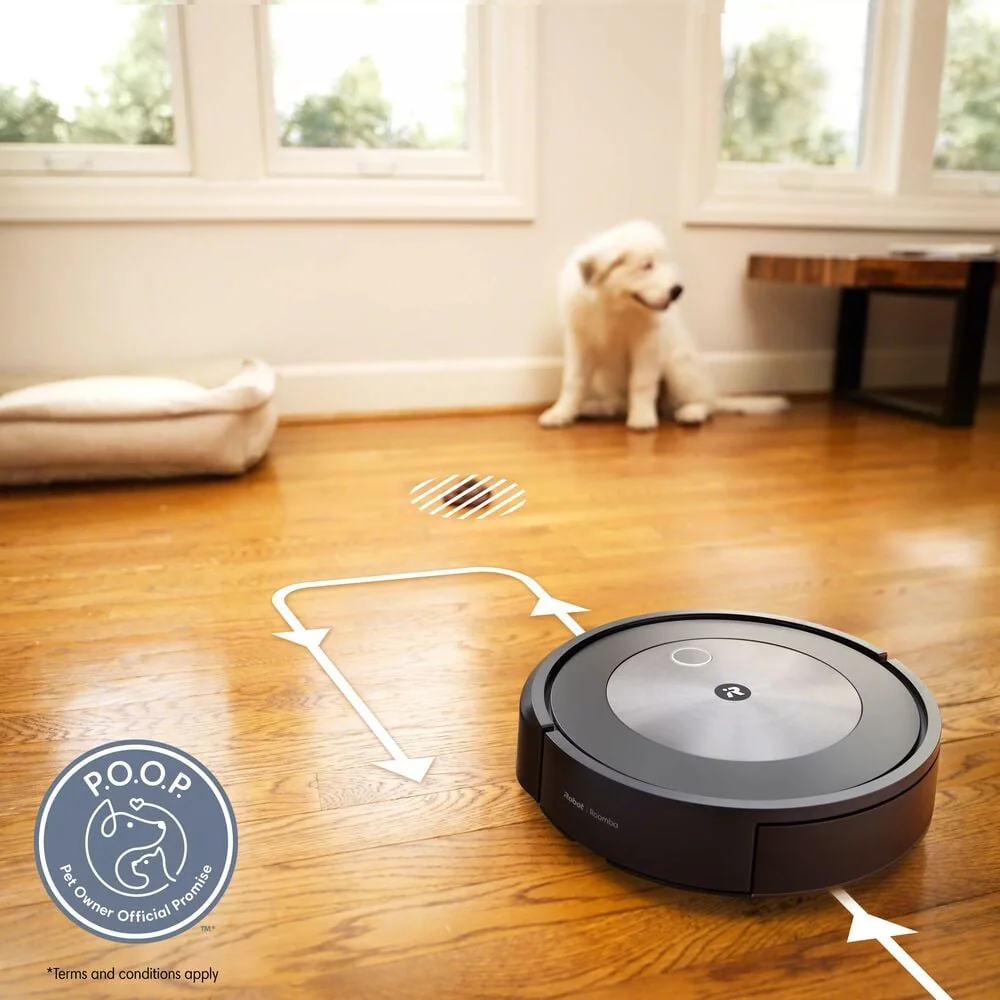
A little floor prep goes a long way for quiet. Pick up small hard items like dry pet kibble, paper clips, and kids’ tiny toys. Those can rattle loudly in the bin and sometimes get stuck in the brush. Keep fringe rugs and loose cords out of the robot’s path. When a robot gets hung up, it may repeatedly try to free itself, which creates a grinding, bumping sound that is far more disruptive than normal cleaning noise.
Make the dock quieter to live with
Dock placement changes how loud the robot feels. A self-empty base on a hard, hollow floor area can amplify sound. Placing the dock on a more stable surface and away from echo-prone corners can reduce the -boom- effect. Give the dock enough clearance so the robot can approach cleanly. If it struggles to dock, repeated bumping and re-tries add noise and frustration.
Maintenance also affects noise. A clogged filter forces the fan to work harder for less airflow, and a dirty brush can squeal or thump. Emptying and cleaning on a routine keeps the robot from sounding strained. If your base uses bags, replace them before they are packed tight, since restricted airflow can make emptying louder and less effective. If it is bagless, clean the canister and seals so dust does not build up and create extra resistance.