A specific section heading
On hardwood, debris scatter is the enemy. Lightweight crumbs, rice, and litter can get flicked outward by a fast-spinning side brush or by a robot that approaches piles too aggressively. Look for designs that pull debris inward before it gets pushed around, and pay attention to how the robot handles larger bits near thresholds and chair legs. A robot that -cleans- but leaves a halo of grit around the original mess will make you distrust it and stop running it. Brush and intake design matter more than marketing suction numbers. Many hardwood-focused robots do well with a main roller that seals close to the floor and a side brush that is not overly stiff. If you have lots of pet hair, you want a roller that resists tangles and a bin path that does not clog with fuzz. The practical test is simple: after a run, check corners and along baseboards for leftover grit, not just the open center of the room.
Hardwood also punishes sloppy navigation. A robot that wanders can repeatedly cross the same area and miss others, which wastes battery and leaves dirty zones behind. Mapping and navigation means the robot builds a usable floor plan and cleans in a deliberate pattern, room by room. That usually improves coverage and reduces the -it ran for an hour and the kitchen is still gritty- problem. If your home has rugs, transitions, or floor vents, you want a robot that can climb small height changes without scraping or getting stuck. Set up no-go zones around delicate areas like floor registers that catch brushes, pet bowls that get pushed, or a cable cluster near a media console. The more you can prevent predictable hang-ups, the more often you will actually run the robot, which is what keeps hardwood looking consistently clean.
A specific section heading
Edge cleaning is where hardwood dirt hides. Dust and grit settle along baseboards, under toe-kicks, and around table legs. A robot can only pick that up if it can physically reach it and if its side brush pushes debris toward the intake instead of just moving it around. Corner performance is especially important in kitchens where crumbs collect in tight spots. Do not assume -edge mode- fixes geometry. Round robots often leave a small triangle of debris in corners because the body cannot reach all the way in. That is normal, but some designs minimize it with better brush reach and smarter wall-following. If corners bother you, plan for a quick weekly touch-up with a small handheld vacuum or a crevice tool. The robot’s job is to reduce how often you need that, not eliminate it completely.
Hardwood homes also benefit from room targeting. Being able to tell the robot -clean the kitchen after dinner- is more useful than a single whole-house run. Mapping features that let you schedule by room, set cleaning order, and increase passes in high-traffic zones make the robot feel like a tool instead of a toy. Pay attention to how the robot behaves around furniture. A gentle approach reduces scuffs and prevents the robot from shoving debris under a couch. If you have lots of chair legs, choose a robot that can slow down, turn cleanly, and not repeatedly bump the same obstacles. Small improvements in movement add up because hardwood cleaning is mostly about consistency and coverage, not brute force.
A specific section heading
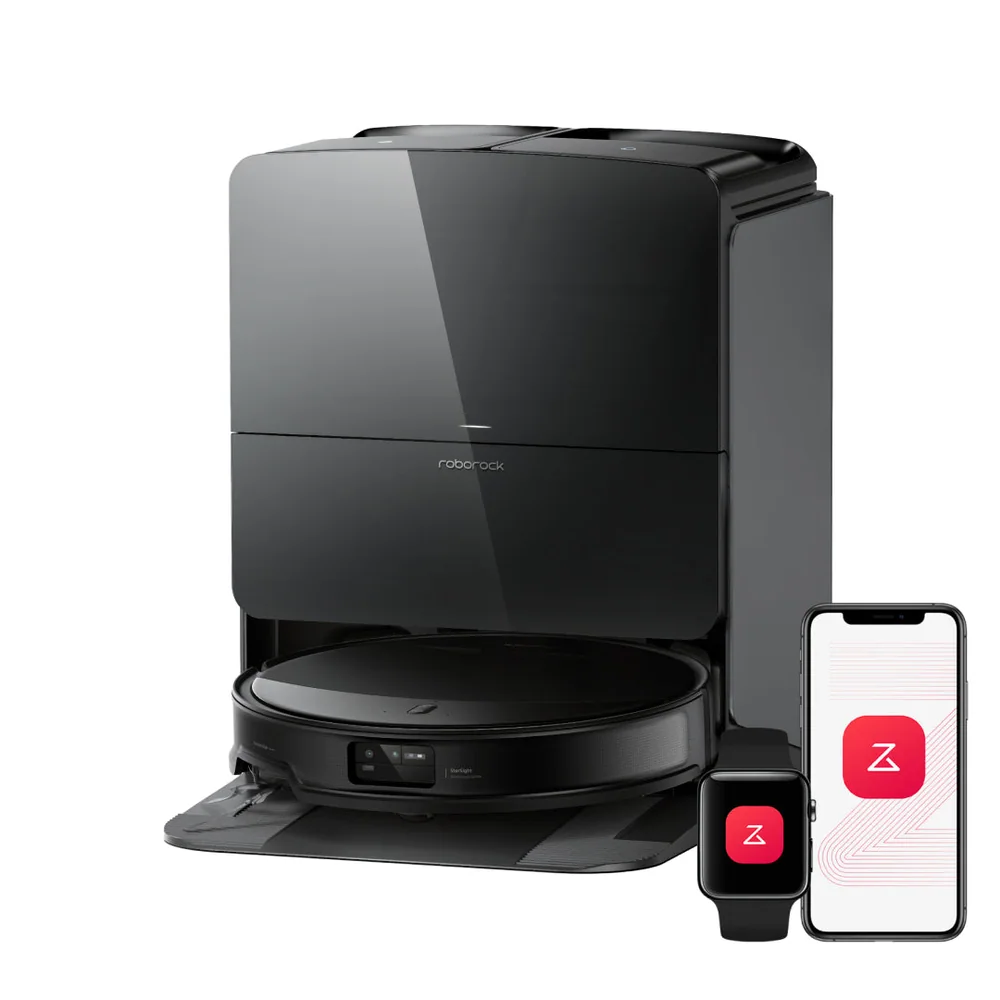
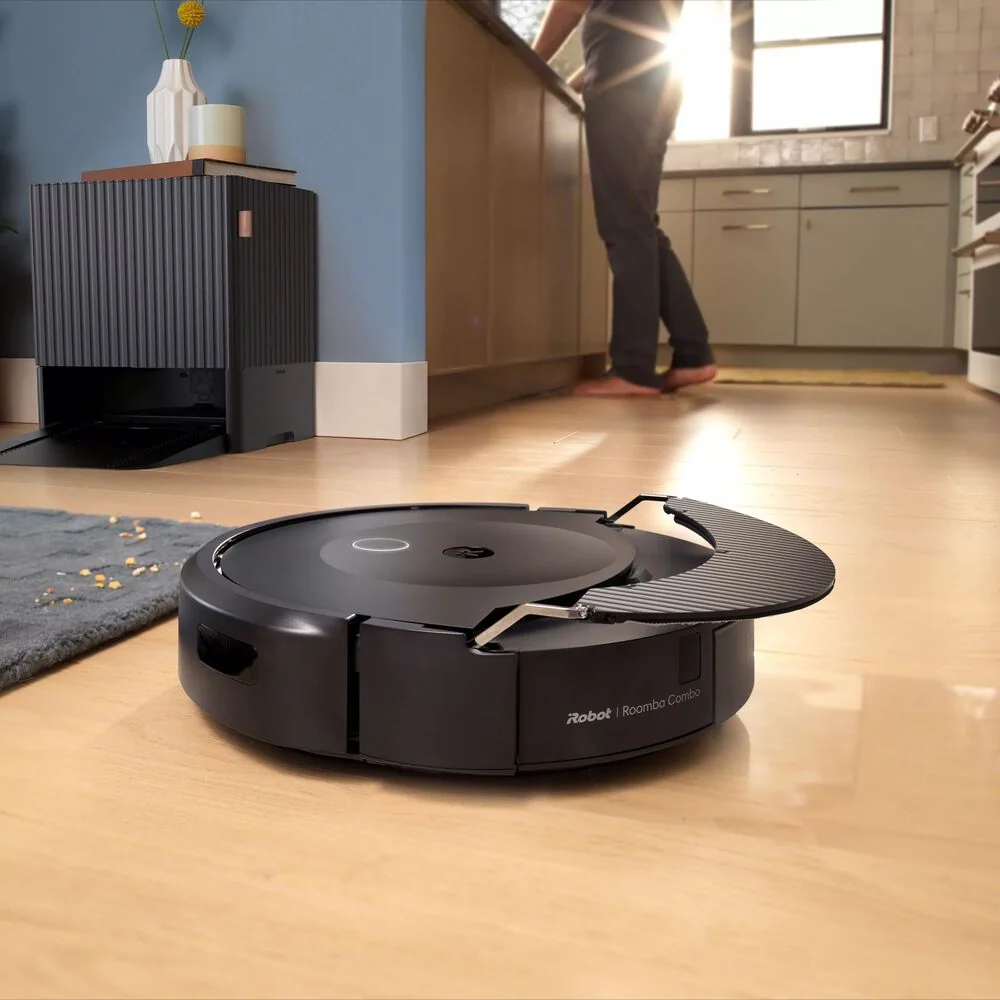
A self-empty base is often the best upgrade for hardwood, even if you do not have carpet. Hard floors collect a surprising amount of fine dust, and robot bins are small. If you have pets or a busy kitchen, you can fill a bin in one run. When that happens, the robot may keep driving but stop picking up well, which looks like -it doesn’t work- when the real issue is capacity. The tradeoffs are space, noise, and ongoing supplies if the base uses bags. The emptying cycle is loud for a short burst, so consider where the dock will live if you run it early or late. If you prefer bagless, you will still need to dump the base canister and wipe dust seals occasionally. Either way, the point is fewer messy bin dumps and fewer skipped runs.
If you want mopping on hardwood, be clear about what you are buying. A basic mop pad that drags behind the robot is for light, frequent wiping. It helps with footprints and fine dust, but it will not handle sticky spills unless you keep pads clean and run it often. If you let the pad get dirty, it can smear grime and leave streaks that make floors look worse. Docked pad washing systems can make mopping more consistent because the robot can refresh the pad during a run. That also creates more ownership tasks: you will maintain a larger dock, manage dirty water, and keep pads from getting musty. If you do not want that routine, a vacuum-only robot plus occasional manual mopping is often the simpler, more satisfying setup for hardwood.
A specific section heading
Hardwood-friendly setup starts with the dock location. Put it where the robot can leave and return without squeezing between furniture, and where it will not drag dirt across a clean area to get home. Keep the area around the dock clear so the robot does not mis-dock and fail to recharge. If your home has multiple floors, decide whether you will move the robot or buy a second dock, because carrying it up and down often leads to fewer runs. Then do a one-time -robot proofing- pass. Secure loose charging cables, pick up thin rugs that bunch, and remove small items that can wedge under the robot. Obstacle avoidance helps, but it is not magic. The goal is to eliminate the predictable failures that cause missed cleanings. A robot that gets stuck twice a week becomes a chore, and chores do not happen daily.
Maintenance is what keeps hardwood performance steady. Emptying is only part of it. Clean the main roller and side brush regularly so hair does not turn into a tight rope that reduces pickup. Wipe sensors so the robot does not misread walls or drop-offs. Replace or wash filters as directed, because a clogged filter reduces airflow and makes fine dust pickup worse. For mopping models, treat pads like cleaning cloths. Rinse and dry them so they do not smell, and do not leave a damp pad sitting on the robot for days. If the robot has a water tank, refresh water and clean the tank occasionally so residue does not build up. A little routine care prevents the common -it used to clean well- decline that is really just buildup and clogs.