Fit and clearance: where robots get trapped in tight layouts
Robot height and shape determine where it can go. Low clearance under beds, sofas, and radiators can be either a cleaning win or a trap. If the robot barely fits, it may wedge itself on a low bar or get stuck on a rug edge it cannot climb while under furniture. In small spaces, that can block a hallway and stop the whole run. Before buying, measure the lowest clearances you actually want it to clean under, and note any furniture with angled legs or low crossbars.
Cable clutter is another small-space problem. A single charging cord on the floor can stop a run. The practical fix is to create a -robot lane- by routing cords up and off the floor, and by using a basket for small items like socks and toys. If your home has lots of chair legs, look for a robot that can clean methodically rather than bouncing randomly, because repeated bumping wastes time and battery. In tight spaces, efficient movement is not a luxury, it is the difference between finishing and failing.
Navigation and obstacle avoidance: what matters in apartments
Navigation is how the robot plans its path. In small spaces, mapping is useful because it prevents repeated passes over the same few square feet while ignoring another area. It also enables targeted cleaning, like running the kitchen after cooking without waking up the whole apartment with a long session. Obstacle avoidance helps the robot steer around shoes, pet bowls, and cords. The goal is fewer rescues and fewer missed runs, not perfection.
Be realistic about what avoidance can do. Dark rugs, reflective surfaces, and tight chair clusters can still confuse sensors. If you want the robot to run while you are out, you need a floor that is reasonably robot-ready. Set no-go zones around problem areas like a crowded charging station or a delicate floor lamp base. If your robot supports it, create a small keep-out zone around rug fringes, which are notorious for tangling brushes and stopping robots in compact living rooms.
Dock choices: when a self-empty base is too big and when it is worth it
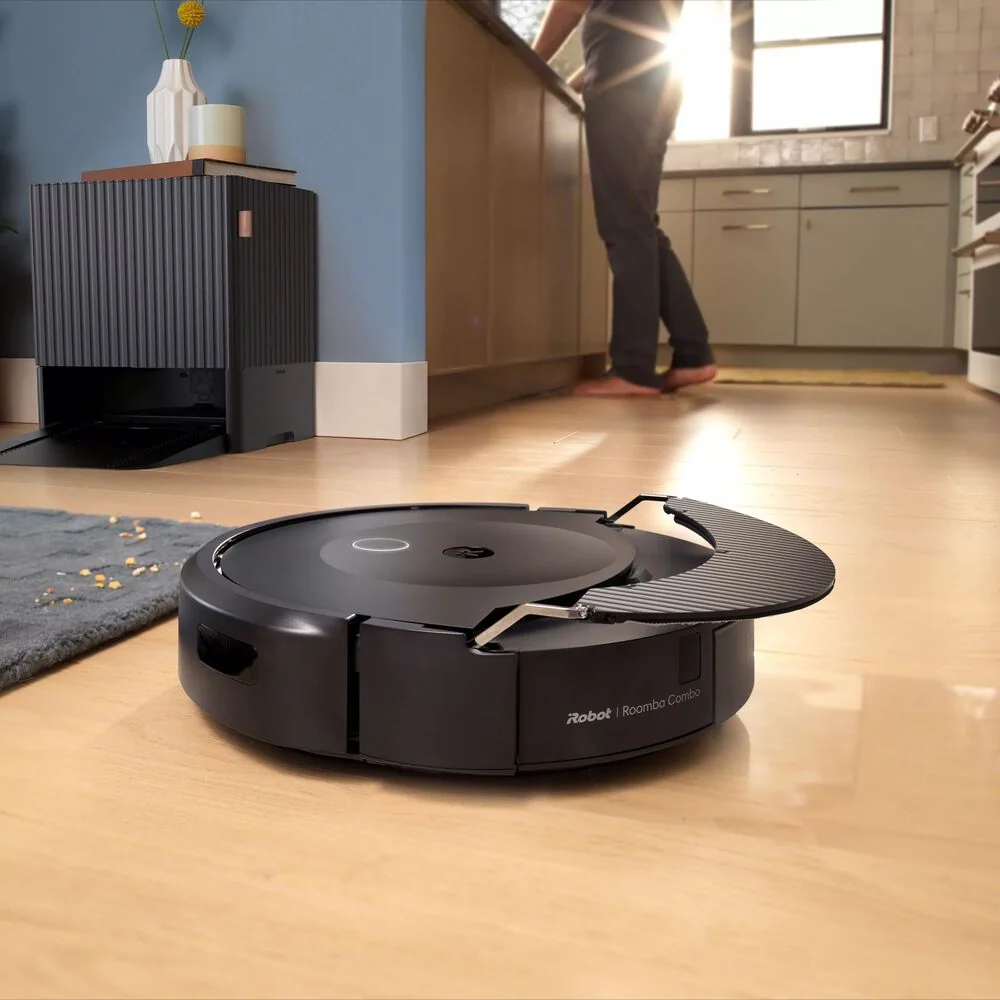
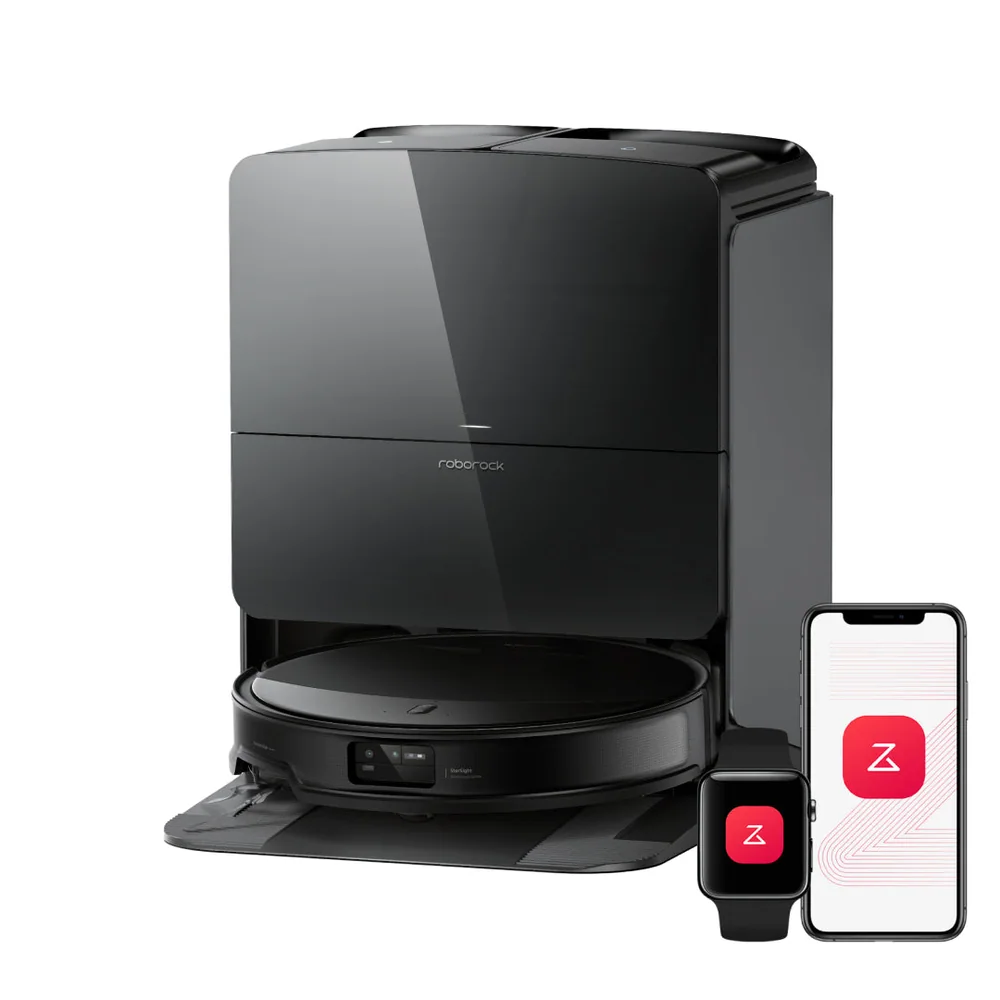
A dock needs a stable home with a little breathing room so the robot can line up and charge. In small spaces, that can be hard. A self-empty base adds height and footprint, which may not fit under a console table or in a narrow hallway. If you do not have a good dock location, you will fight the robot constantly, and it will miss charges or fail to start scheduled runs. In that case, a simpler charging dock and manual emptying may be the better ownership experience.
That said, small spaces can still benefit from self-emptying if you have pets or if you hate frequent bin emptying. Apartment dust and hair can fill a small bin quickly, especially if you run daily. If you choose a self-empty base, plan where it will live before you buy. Pick a spot near an outlet where the robot has a straight approach, and where the emptying noise will not be a problem at night. Convenience comes from consistency, not from the biggest dock.
Rugs, thresholds, and noise: small-space comfort factors
Apartments often have a mix of hard floors and a few rugs. The robot needs enough traction and brush performance to clean rugs without getting stuck on edges. If you have thick rug borders or transitions between rooms, those are the first places a robot will fail. Also consider edge cleaning. In a small kitchen, crumbs collect along baseboards and under cabinet lips. A side brush helps, but it can also flick larger debris, so you may prefer more frequent runs to keep crumbs small and easy to capture.
Noise matters more when you share walls or work from home in the same room the robot is cleaning. A practical strategy is to schedule short runs when you are out, or to run one room at a time while you are in another. If your robot has a mop pad, treat it as light wiping for hard floors, and keep the pad clean to avoid odors in a small home. In compact spaces, a little maintenance goes a long way because the robot is working close to where you live.