Side brush scatter on hard floors and how to reduce it
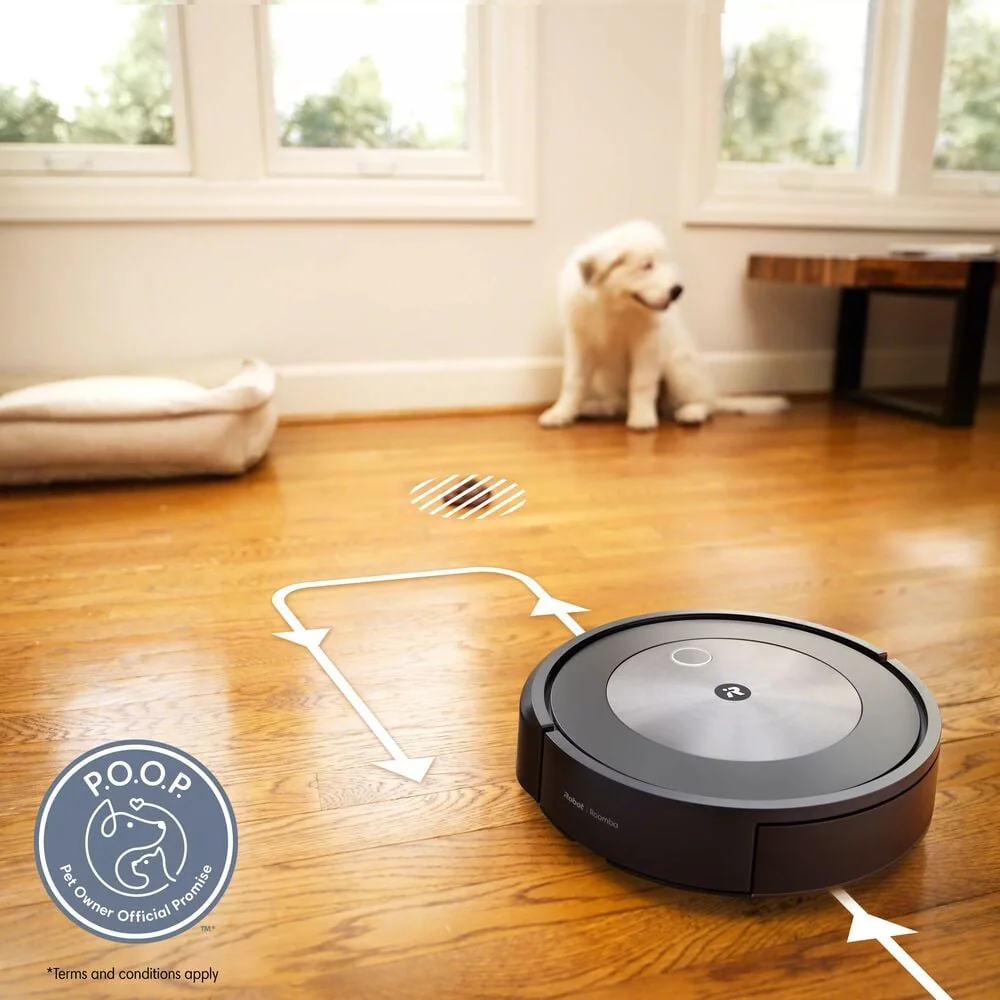
The side brush is designed to pull debris from edges into the robot’s path, but on hard floors it can also act like a broom that flicks crumbs outward. This is most noticeable with larger particles like cereal, cat litter, and dry leaves. If you see debris -spraying- away from the robot, the brush is doing too much sweeping and not enough feeding into the intake.
First, keep the side brush clean and properly seated. A bent or partially clogged brush can slap the floor and fling debris. Next, run the robot more often so it is picking up smaller amounts. If your robot offers a setting for stronger suction or a -deep clean- pass, use it in kitchens and entryways where grit is heavier. Finally, do a quick pre-sweep of the worst offenders (like a pile of litter) instead of asking the robot to bulldoze it across the room.
Rug climbing and threshold trouble spots
Robots get stuck when they cannot climb a transition cleanly or when they climb up but cannot get back down. Common culprits are thick rug edges, curled corners, tassels, and tall thresholds between rooms. Even when the robot does not fully get stuck, repeated attempts waste battery and leave other areas uncleaned.
Start by identifying the trouble spots during a supervised run. Flatten curled rug corners with a rug gripper or reposition the rug so the edge is not in a high-traffic robot path. Trim or tuck tassels if possible, or block tassel edges with a no-go zone. For thresholds, consider whether you want the robot to cross them at all. If a threshold is borderline, it is often better to keep the robot on one side and schedule separate runs than to accept frequent rescues and incomplete cleaning.
No-go zones and virtual walls: when to use them
No-go zones are map-based boundaries you draw in the app to keep the robot out of certain areas. Virtual walls are similar boundaries created by an accessory or by the app, depending on the system. These tools are not just for -danger zones.- They are also for improving reliability by removing the places where the robot wastes time or gets confused.
Use no-go zones for predictable problems: delicate rugs, pet areas, cord clusters, and tight chair legs that trap the robot. Keep boundaries slightly larger than the object so the robot does not repeatedly bump the edge. If you rearrange furniture or move rugs seasonally, revisit the map. A stale map can create weird behavior like the robot avoiding open space or trying to squeeze through a gap that no longer exists.
Edge and corner expectations and workarounds
Most robot vacuums are round, which means corners are inherently hard. They can clean along baseboards reasonably well, but they will often leave a thin line of dust at the very edge and miss the last inch of a corner. On rugs, edge pickup can be even weaker because the robot’s airflow and brush contact change as it rides up on the pile.
Work around this with targeted habits. Run the robot frequently so edge buildup never gets thick. Once a week, do a quick manual pass with a stick vacuum, crevice tool, or even a handheld vacuum along baseboards and in corners. If you have a lot of tight corners, consider rearranging small furniture to open up turning space. Robots clean edges better when they can drive straight along a wall instead of constantly pivoting around obstacles.
What this guide helps you understand
On mixed floors, reliability is the real upgrade: reduce scatter by keeping debris loads small, and prevent stuck events by blocking or fixing the few transitions and rug edges that repeatedly trip the robot.
Do one supervised run to find the exact rugs, tassels, and thresholds that cause failures, then address them with flattening, repositioning, or no-go zones.