Mop pad basics: damp wiping vs real scrubbing
Most robot mops use a microfiber pad, meaning a soft cloth with fine fibers designed to grab dust. When the pad is lightly damp, it can pick up fine residue and footprints that vacuuming leaves behind. That is damp wiping. It works best on sealed hard floors with light, frequent messes.
Real scrubbing requires pressure, agitation, and enough clean water to avoid smearing. Many basic mop attachments do not press down hard, and they do not rinse the pad during the run. That means the pad can quickly become a dirty rag that spreads grime. If your kitchen gets sticky spots or dried spills, expect to pre-treat those areas or do occasional hand mopping even if you buy a robot with a mop feature.
Water tanks, pad pressure, and repeat passes
A water tank is simply the onboard reservoir that wets the pad. Bigger tanks can support longer runs, but water delivery matters more than capacity. If the pad is too dry, it will skip and leave dusty streaks. If it is too wet, it can leave puddles and take longer to dry, especially on floors that are not perfectly level.
Pad pressure is how firmly the pad is held against the floor. More pressure generally improves cleaning, but it also increases drag and can reduce battery life. Repeat passes are exactly what they sound like: the robot goes over the same area more than once. If your robot allows it, use repeat passes in kitchens and entryways. One pass is often fine for maintenance, but two passes can make the difference between -looks the same- and -actually fresher.-
Avoiding streaks and musty pads
Streaks usually come from one of three things: a dirty pad, too much moisture, or cleaning a floor that still has grit on it. Grit acts like sandpaper and can create dull trails. The best sequence is vacuum first, then mop. If your robot does both, make sure it is not trying to mop with a pad that is already loaded with hair and crumbs.
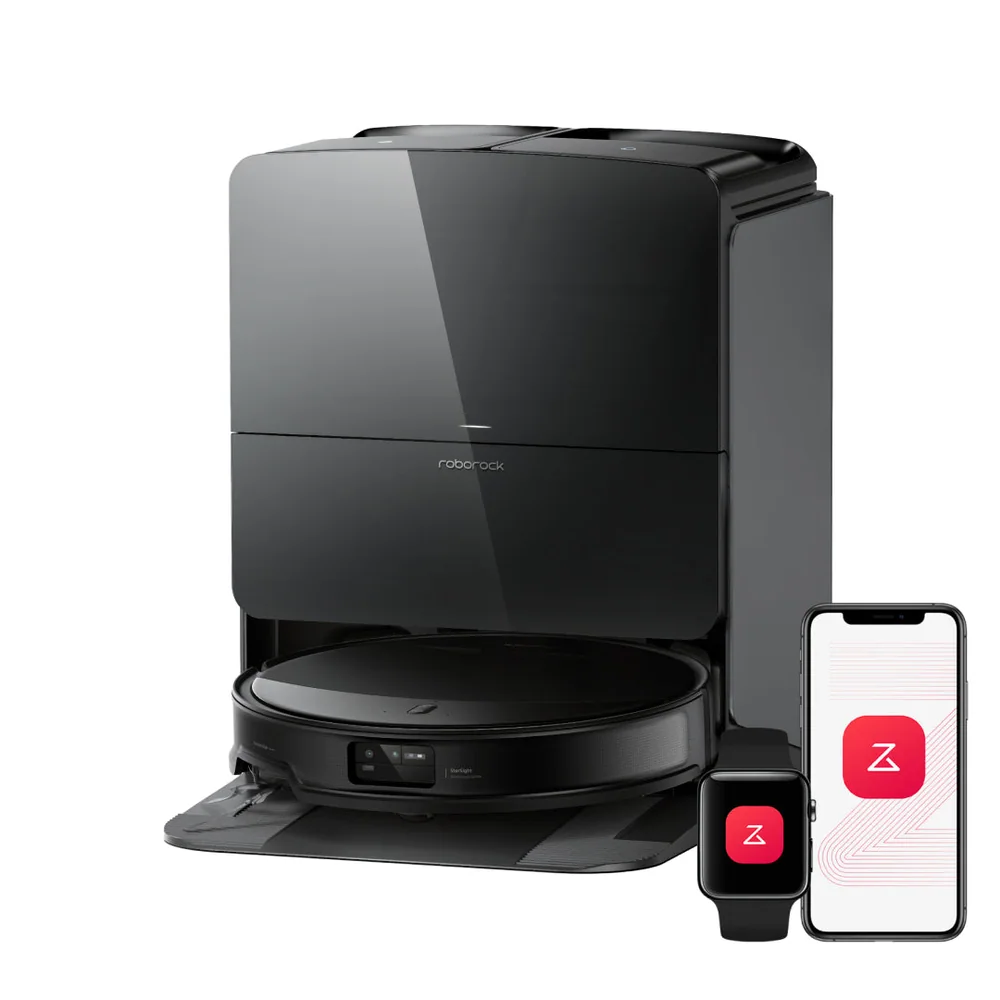
Musty smells come from leaving a damp pad sitting on the robot after the run. Remove and rinse the pad, then let it dry fully. If the system has a dock that washes and dries pads, you still need to keep the dock’s dirty water area and any filters or trays clean so odors do not build. Also empty and rinse water tanks periodically so old water does not start to smell.
When to skip mopping and mop by hand
Skip robot mopping when you have sticky spills, greasy cooking residue, or dried-on messes. Robots are not great at spot pressure, and they can spread a spill into a wider area. Also skip it on floors that are sensitive to moisture or have seams that can swell if water sits, unless you are confident the system leaves only a light dampness.
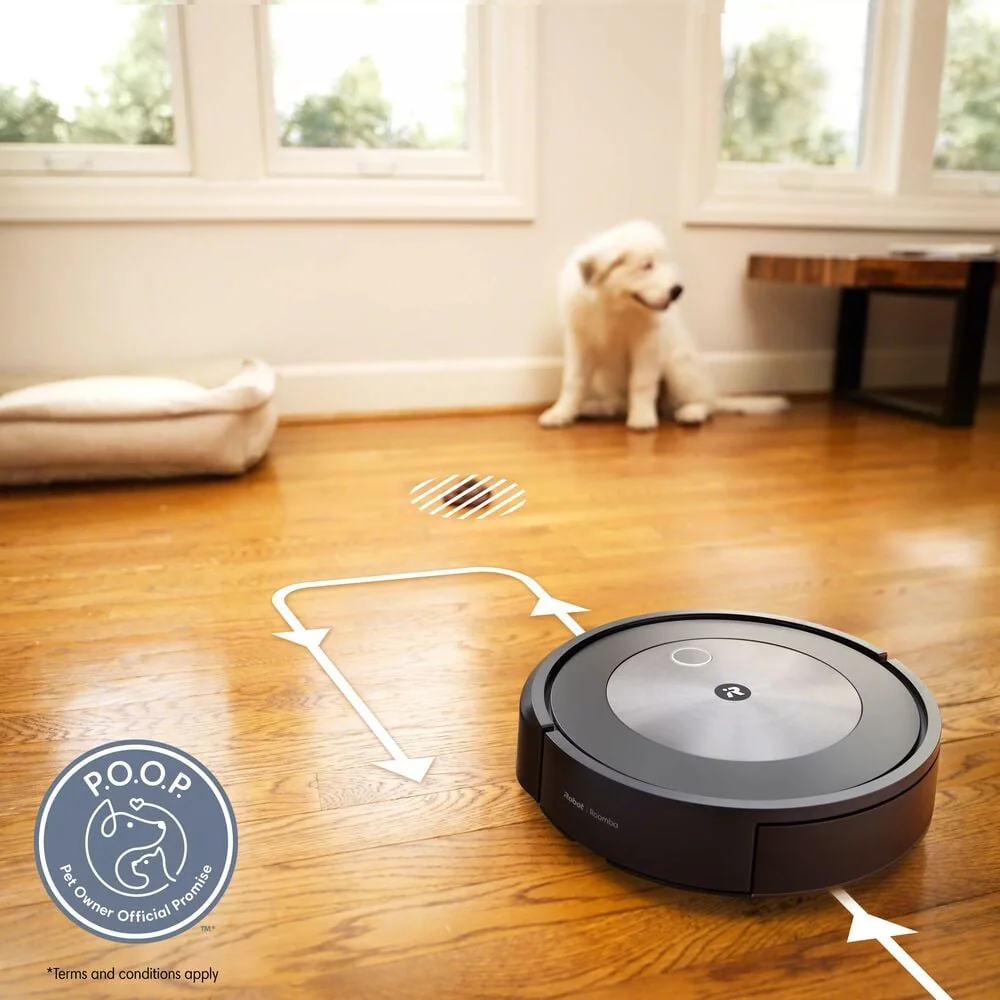
Hand mopping makes sense as a periodic reset. Use the robot for frequent maintenance, then do a deeper mop on your schedule, especially in kitchens and bathrooms. If you have pets, consider that a robot mop can smear accidents if it encounters them. In those homes, obstacle avoidance and careful scheduling matter, and many people choose to mop only when they can supervise the first few minutes of the run.