

Pickori's Take
- Buy the Roborock Saros 20 Flow for a hard-floor-heavy home that needs serious mopping without giving up mature navigation and automation. For a genuinely mixed-floor home where carpet, embedded pet hair, clutter, and low-furniture reach matter just as much, Pickori prefers the Dreame X60 Max Ultra Complete.
- Its edge is hygiene over distance. The continuously rinsed roller leaves an even, streak-free path while keeping a cleaner working surface against the floor. A direct comparison clarifies the trade: the Flow does not always beat the other Saros 20 mop systems on a single stubborn spot.
- The vacuum carries its weight. It collected 99.6 of 100 grams of mixed debris in a published stress test, left no hair wrapped on its brushes, and ran roughly four hours at a measured 59 dB.
- Square corners are the clearest flaw. Straight walls fare well, with 17 of 20 edge peas collected in one test, but the final centimeter of 90-degree corners stayed inconsistent in longer use.
- $1,700 pays off on large hard floors with tall thresholds and owners who don't want to babysit a robot. It is wasted on carpet-first homes, small apartments, and furniture lower than the 3.54-inch body. The small onboard tanks also make central dock placement essential.
The roller changes the whole cleaning run
A spinning mop pad works on a timetable. It is cleanest in the first minute and dirtiest in the last, so the route decides which room gets the good mop. The Flow gets rid of that timetable. Its 270 mm SpiraFlow roller spins at up to 240 RPM, presses down with up to 15 N, and slides up to 44 mm sideways toward walls. Fresh water feeds it the whole time, and a squeegee strips away whatever it lifts.
In practice, room order stops mattering much. Starting in the kitchen no longer means dragging cooking film toward the bedrooms or sending the robot home for a wash halfway through. The hallway meets the same wet surface the first tile did. That is why its repeatable, streak-free finish says more about this design than any single stain demo could.
Rugs get a proper handoff. The roller rises up to 15 mm and a mechanical shield closes over it. Tested carpet edges stayed dry, and suction stepped up automatically on pile.
Mop hygiene is not the same thing as brute scrubbing
Clean mop material and hard scrubbing are separate virtues, and the Saros 20 family shows the difference. A direct comparison of the Flow, Neo, and Sonic found no universal winner. The Flow kept its working surface cleanest. The spinning-pad Neo reached some edges and awkward gaps more thoroughly, and the Sonic relied on high-speed vibration.
None of that makes the Flow gentle. Dried grease, mud, and food residue came up reliably, and a check against the light found no streaks and no flooded floor. Still, a pad that concentrates its effort on one old coffee ring can win that particular fight. The dock's dirt detection can send the robot back for a rewash and remop, which gives the roller a second attempt.
Pickori's reading is simple. The Flow is the better whole-floor hygiene machine, and whole-floor hygiene is most of what a scheduled robot does. If your problem is one sticky spot under the high chair, its advantage narrows. If your problem is a long run of tile that should feel uniformly clean underfoot, the advantage widens.
How the Saros 20 Flow handles a real home
A spec sheet argues with numbers. A home argues with cereal under the table, a rug in the hallway, a shedding dog, and a threshold nobody has leveled in decades. Here is how the Flow's evidence maps onto each job, including the ones $1,700 still doesn't finish perfectly.
| Workload | Outlook | What to expect |
|---|---|---|
| Hard-floor debris | Excellent. The vacuum is not an afterthought. | The roller gets the attention, but the vacuum is serious. In a published stress test, the Flow collected 99.6 of 100 grams of mixed cat litter, cereal, and wood chips across hard floor and carpet. At $1,700, you are not giving up pickup to get mopping. That result tells you more than the 36,000 Pa claim, because manufacturers do not measure suction the same way. Read the figure as Roborock's own ceiling, not a ranking against other brands. |
| Carpet and rugs | Strong support act, not the headline | Rugs get more care than most mopping robots give them. The roller lifts up to 15 mm behind a mechanical shield, and direct evaluations found dry carpet edges, automatic suction boosts, and strong pickup on medium and high pile. One home evaluation saw the optional chassis lift fail to trigger on a high-pile rug. Runners and area rugs are fine. A carpet-dominated home, though, pays for a roller it rarely uses. |
| Dried stains and kitchen film | Consistent and streak-free, not the hardest scrubber | This is the Flow's home turf. It mopped evenly without flooding, left no visible streaks even against the light, and reliably removed dried greasy, muddy, and food stains. Consistency is not the same thing as aggression, though. A direct comparison with the spinning-pad and vibrating-pad Saros 20 models found no universal winner. The Flow kept its working surface cleaner, while the others attacked certain spots and edges differently. Buy it for the whole floor, not for one stubborn stain. |
| Long hair and pet fur | A genuine maintenance win | In an exact-model test, no hair wrapped around the DuoDivide split main brush or either side brush, and longer home use praised its handling of long hair on carpet. For pet and long-hair homes, that matters more than the suction headline. Cutting hair off an axle every week is how owners lose faith in a robot. For fur ground deep into thick carpet, the Dreame X60 has broader evidence. |
| Corners and wall edges | Good along walls, merely good in square corners | The evidence disagrees here, and the disagreement is useful. A controlled edge test collected 17 of 20 peas, and the roller's sideways extension of up to 44 mm makes wet coverage along walls credible. Two longer direct evaluations still found the final centimeter of square corners inconsistent, because the side brushes do not swing outward the way extending brushes on some rivals do. A $1,700 robot that leaves a crumb in the last inch of a corner is still a $1,700 robot that leaves a crumb there. Keep a handheld nearby. |
| Clutter and small obstacles | Trustworthy in a lived-in home, within limits | Direct testing showed clean avoidance of cables, socks, shoes, and simulated pet waste, with close but controlled passes around furniture. Longer home use found the limits. Small or flat objects could still be missed, and sunlight once convinced the camera it had found a wet mess. Roborock's figure of more than 300 recognized object types is the company's own claim. The Flow earns trust around ordinary clutter, but the phone charger still belongs off the floor. |
| Thresholds and low furniture | Excellent climber, taller than the lowest rivals | The 3.46-inch climbing claim describes a particular shape, not a single vertical step. A single step tops out at 1.77 inches. The full figure requires a compatible two-stage transition of up to 1.77 inches plus under 1.69 inches. Direct testing crossed a high threshold once it was marked in the map, and home use cleared roughly 40 mm. The retractable LiDAR tower helps under furniture, but the 3.54-inch body sits about 0.4 inch taller than the Dreame X60. Measure your furniture gaps first. |
| Large hard-floor plans | Where the Flow earns its price | Big kitchens and open plans are why this robot exists. Because the roller is rinsed continuously, room order matters far less than it does with a pad that gets dirtier between dock visits. Published measurements found roughly four hours of runtime at 59 dB, and home use logged about 70 minutes to vacuum 50 square meters, or 80 with mopping. Battery life is not the real constraint. Dock traffic is: the small onboard containers send the robot home often, so put the dock somewhere central and unobstructed. |
Read the table as a shape, not a score. The Flow is exceptional on long runs of hard floor and very good at the jobs a luxury robot must not fumble. It is merely good at the fussy margins: square corners, flat clutter, and the lowest furniture.
That shape explains the price. $1,700 buys a mopping process that stays clean from the first tile to the last, plus mapping and automation mature enough that you stop supervising the robot. It does not buy a longer feature list or a bigger Pa number.
Durability is the open question. The US model launched in September 2026, so roller seals, pumps, sensors, and firmware have no long-term owner record, and isolated early fault reports do not make a pattern. The mechanics look well considered. Time still has to confirm them.


Roborock polish matters after the novelty wears off
Expensive robots earn their keep by not needing you. The Flow's retractable LiDAR tower, RGB camera, and VertiBeam structured light produced calm, precise routes and fast maps. In multi-week use it stayed oriented even with the tower lowered under furniture. Direct testing showed it avoiding cables, socks, shoes, and simulated pet waste. Small flat objects still slipped through, and sunlight once fooled it into flagging a wet mess. Treat Roborock's claim of more than 300 recognized object types as a helper, not a guarantee.
The vacuum side is no afterthought. In a published stress test it collected 99.6 of 100 grams of mixed litter, cereal, and wood chips, and no hair wrapped around the DuoDivide split brush or the side brushes. For pet homes, never cutting fur off an axle matters more than any suction headline.
One exact-model test measured roughly four hours of runtime at 59 dB, with a 2.5-hour recharge. Hello Rocky voice control, Alexa, Siri, Google Home, and Matter are all supported. The app is deep enough to overwhelm newcomers, and the firmware notes are too vague for a robot whose behavior depends on software.
The last inch of every corner is still yours
Straight walls are handled well. The robot collected 17 of 20 peas along an edge in one controlled test, helped by the sliding roller. Square corners are another matter. Two longer evaluations found the final centimeter of 90-degree corners inconsistent, because the side brushes do not swing outward the way many rivals' do. At $1,700, a crumb left in the corner is still a crumb left in the corner.
Height is the second limit. At 3.54 inches, the Flow stands about 0.4 inch taller than the Dreame X60 and taller than the Sonic. Measure the gap under your sofa instead of trusting the retracting tower to make up the difference.
The third is storage. The onboard dust and dirty-water containers are small, so the robot returns to the dock often. The payoff is a dock that keeps dirty water inside its plumbing: after about 500 square meters of home use, the wash tray stayed largely dry and clean. Put the dock somewhere central, though, or every return becomes a commute.
The US model launched in September 2026, so its roller seals, pumps, and sensors have no long-term record yet.
Flow, Neo, Sonic, or the spinning-pad Saros 20?
These are four different mopping approaches, not trim levels. The standard Saros 20 and the Neo use dual spinning pads that work edges and tight spots aggressively but carry the same pad surface between dock washes. The Sonic scrubs with a vibrating flat pad and sits lower. Only the Flow uses a continuously refreshed roller. Some international packages add Complete to the Flow's name and bundle different spares. The US model is simply the Saros 20 Flow with RockDock.
Pick the Flow for large hard floors where the last room should get the same mop as the first. Pick the Sonic for very low furniture. Pick a spinning-pad model if corner-heavy rooms or repeat spot stains dominate your home. The newest mop system is not automatically the best one for your floor.
Saros 20 Flow or Dreame X60 Max Ultra Complete?
Walk your floors before you pick a brand. The Dreame X60 Max Ultra Complete has broader evidence for pulling debris and embedded pet hair out of carpet. Its 3.13-inch body reaches farther under furniture, and its obstacle avoidance is excellent. It is the more balanced robot when rugs, clutter, and low sofas matter as much as mopping.
The Flow wins when hard floor is the main event. Its roller keeps dirty water off the floor for the entire run, its navigation is calm and precise, and Roborock's app offers finer room and carpet control. If your home is mostly tile and wood with a few rugs, buy the Flow. If you have carpet in every bedroom and a shedding dog, buy the X60.
What kind of home can justify $1,700?
Hard-floor square footage justifies $1,700, not feature count. The right home has a big kitchen or open-plan layout, pets or long hair, raised transitions that stall cheaper robots, and an owner who wants schedules to finish without a rescue. There, cleaner long-run mopping, tangle-free brushes, and a dock that separates clean and dirty water pay off every week. Battery life will not hold the robot back either. In home use it vacuumed about 50 square meters in roughly 70 minutes, and about 80 with mopping added.
A tidy apartment with a small kitchen and ordinary thresholds does not need this robot, because a far cheaper one will clean it fine. Carpet-first homes should spend elsewhere too. The roller's central advantage would sit idle most days.
Set the map before judging the robot
Several of the Flow's headline abilities depend on the map. The 3.46-inch threshold claim describes a compatible two-stage transition: a first step of up to 1.77 inches followed by a second under 1.69 inches. It is not a single wall. A lone step tops out at 1.77 inches. In direct testing, the robot crossed a high threshold cleanly once that threshold was marked in the app.
Set carpet strategies room by room so the roller lifts and suction rises where it should, then check the result. In home use, the optional chassis lift failed to trigger on one high-pile rug. Choose conservative or aggressive low-clearance behavior to suit your furniture, and draw no-go zones around pet bowls and cable nests. After the first week, review the obstacle history to see what the robot skipped.
Who this product fits
A hard-floor-heavy home with rugs and pets
This is the Flow's home ground. Long runs of tile or laminate let the continuously rinsed roller show its advantage, rugs get the lift-and-shield treatment, and the anti-tangle brushes cut down on weekly hair removal. Set a carpet strategy for each room, put the dock somewhere central, and this is a robot you can schedule and leave alone. Buy it.
A carpet-heavy home with embedded pet hair
Look elsewhere. The Flow handles carpet competently and keeps hair off its brushes, but the roller's clean-water advantage sits idle when most of the floor is pile. The Dreame X60 Max Ultra Complete has broader evidence for carpet extraction and embedded pet hair, and that is the work this home needs. Paying $1,700 for mopping you rarely use makes no sense.
A house with tall thresholds and low furniture
This one could go either way. The Flow is a strong climber when your transitions fit its geometry: 1.77 inches for one step, or a compatible two-stage shape up to 3.46 inches. Low furniture is the catch, because the 3.54-inch body needs more clearance than the Dreame X60. Measure both. Whichever limit your home hits first decides it.
A tidy apartment with ordinary floors
Skip it. A small kitchen and ordinary door sills never give the roller enough distance to matter, and a dock this size becomes clutter rather than help. A much cheaper robot will clean this floor well. The Flow solves a problem this home does not have, and $1,700 is a lot to pay for that.
What else to compare
The Flow's real rivals fall into two groups. One is a different mop inside the same Saros 20 family. The other is a robot built around a different floor mix entirely. Match the alternative to the floor you own. Neither the newest mop nor the biggest suction claim wins every home.
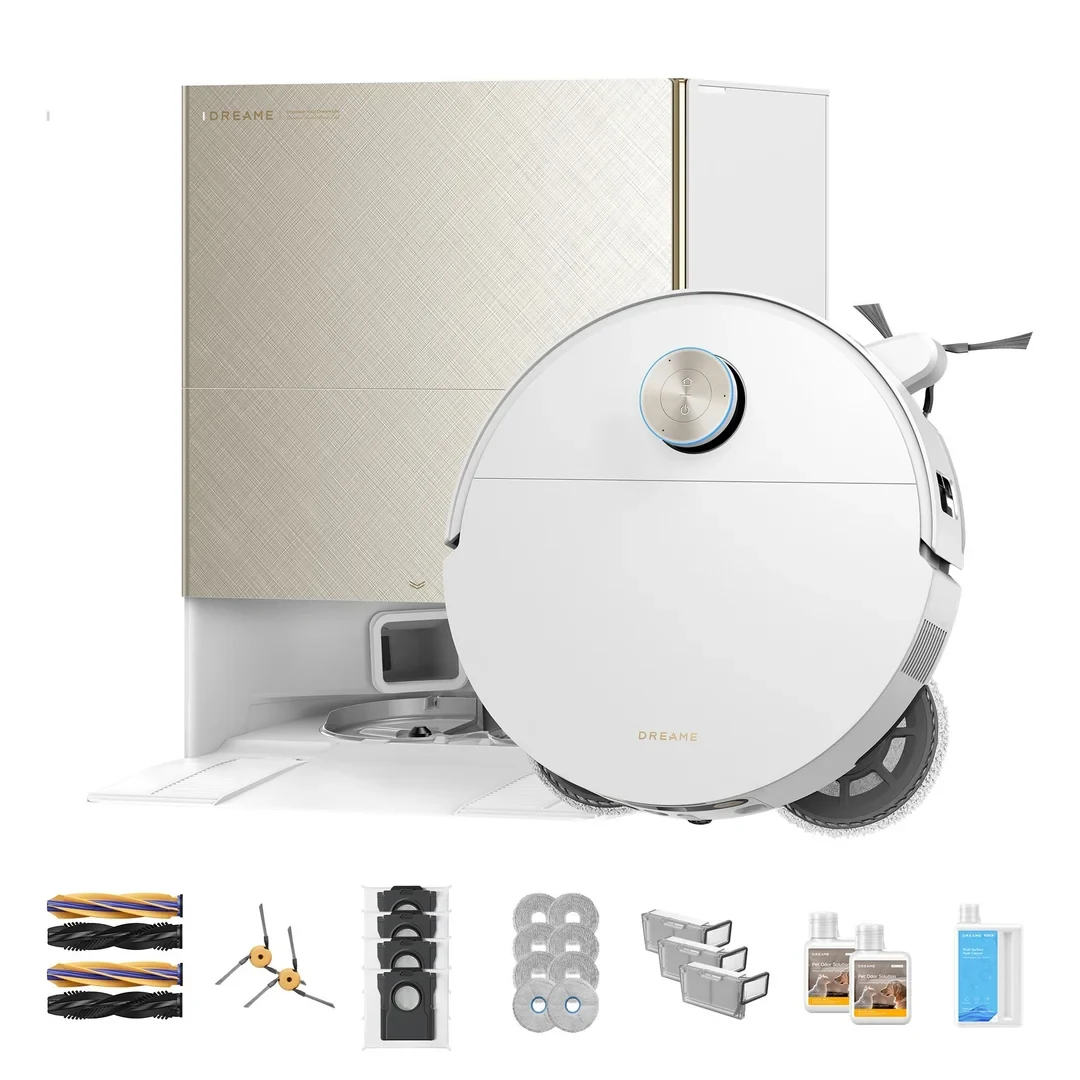 Dreame X60 Max Ultra CompletePickori's broader all-around flagship for homes where carpet, pet hair, clutter, low furniture, and thresholds matter as much as mopping
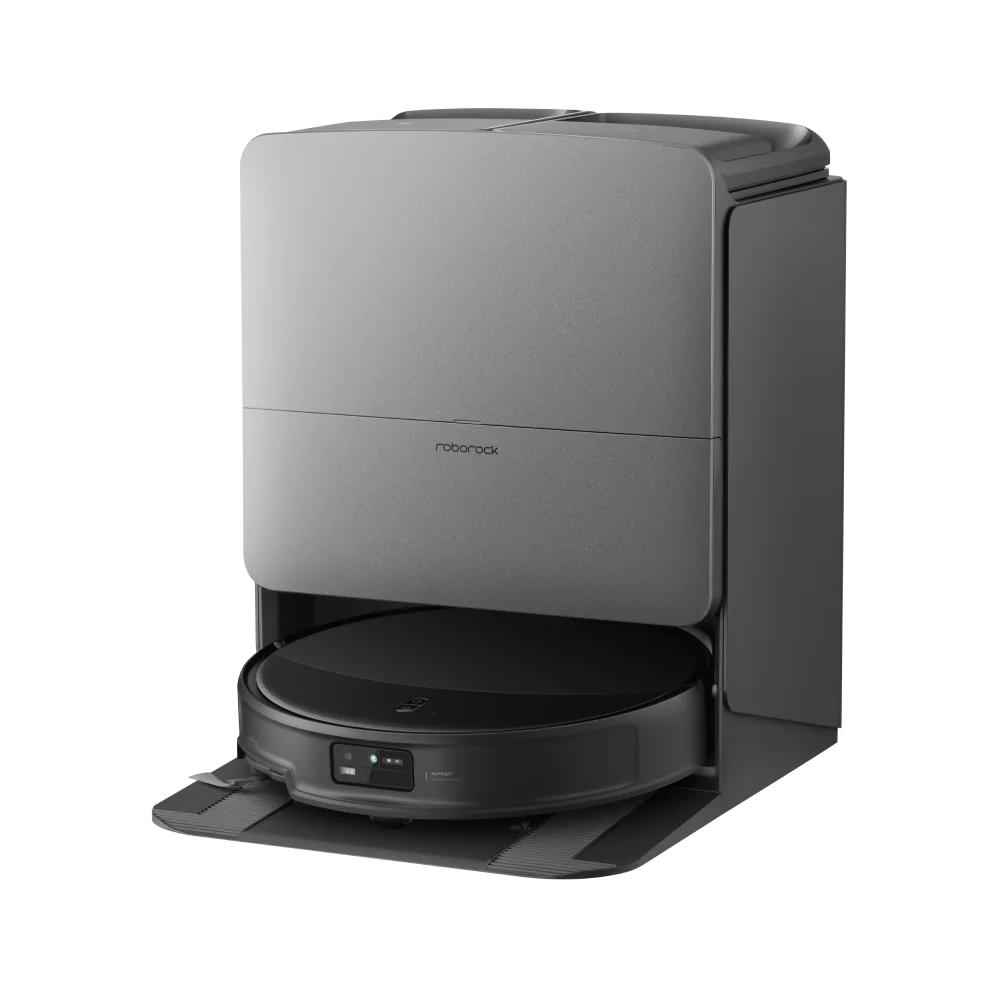 Roborock Saros 20A lower, spinning-pad Saros alternative for mixed floors and furniture that gives the taller Flow no clearance
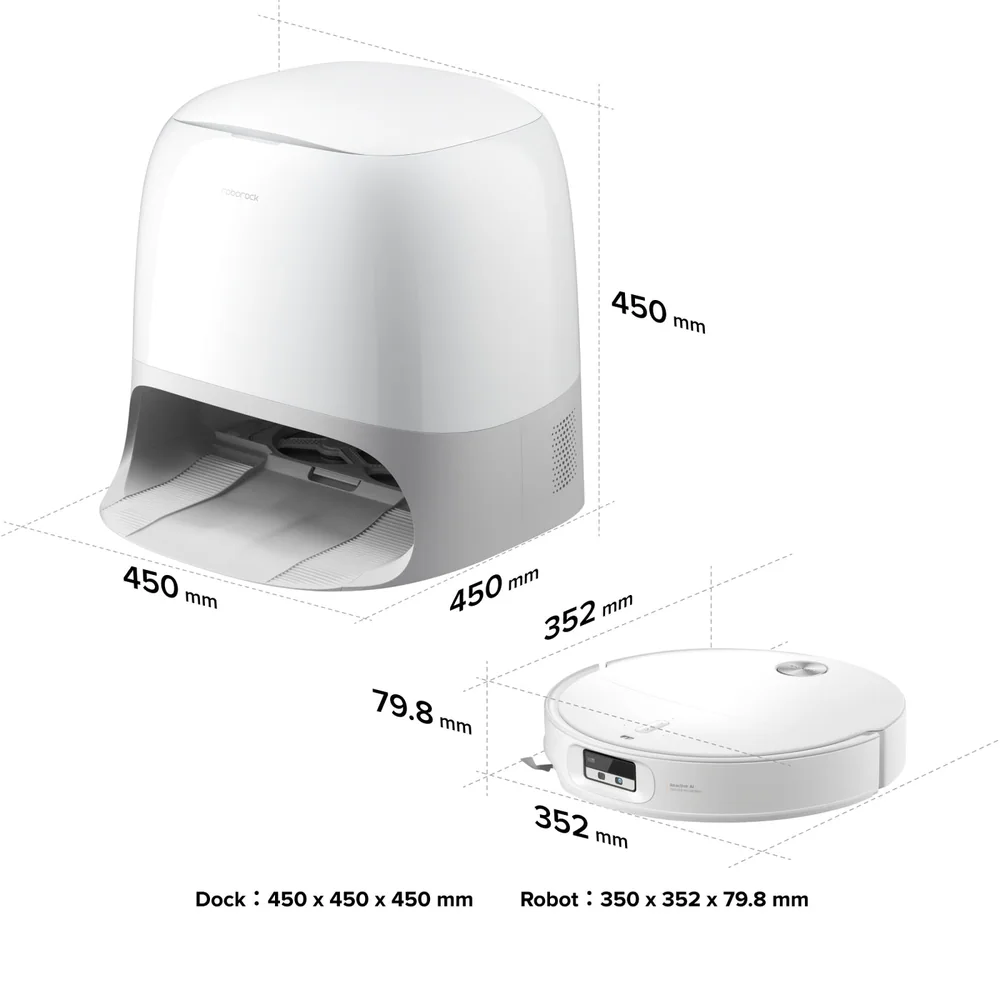 Roborock Qrevo CurvXA less expensive premium Roborock for buyers who want the same app ecosystem without paying for the Flow's roller and newest chassis
Roborock Saros 20 Flow FAQ
Is the Roborock Saros 20 Flow worth $1,700?
Yes, for a large, hard-floor-heavy home with rugs, pets, or tall thresholds. The price buys consistent mopping over long runs and automation you can trust. No for small apartments or carpet-first homes, where cheaper robots do the job.
What is different about the Saros 20 Flow?
Its mop. The other Saros 20 versions use dual spinning pads or, on the Sonic, a vibrating pad. The Flow uses a roller fed with fresh water and squeegeed as it turns, so far less of the dirt picked up earlier in the run stays on the working surface.
Does the Saros 20 Flow keep carpets dry?
In testing, yes. The roller lifts up to 15 mm and a mechanical shield covers it, and carpet edges stayed dry. Set carpet strategies for each room so every rug is handled the way you want.
Is the Saros 20 Flow good for pet hair and long hair?
Yes. Testing found no hair wrapped around either brush, and longer home use praised its handling of long hair on carpet. For heavily embedded fur in dense carpet, the Dreame X60 has broader evidence.
How well does the Saros 20 Flow clean corners?
Good, but not perfect. Straight walls fare well, but the final centimeter of square corners stayed inconsistent in longer use. Keep a handheld vacuum nearby if crisp corners matter to you.
Can the Saros 20 Flow climb a 3.46-inch threshold?
Only a compatible two-stage transition: a first step up to 1.77 inches and a second under 1.69 inches. A single vertical step tops out at 1.77 inches. Marking the threshold in the map helps the robot cross cleanly.
How much maintenance does the RockDock require?
Less than most mopping docks. Hot washing, heated drying, and sealed dirty-water handling keep the tray unusually clean, and the roller and strainer lift out easily. You still need to top up detergent and keep the dock accessible for frequent trips.
Should I buy the Saros 20 Flow or Dreame X60?
Decide by floor mix. The Flow wins in hard-floor-heavy homes where long-run mopping matters most. The Dreame X60 Max Ultra Complete wins in genuinely mixed homes where carpet, embedded pet hair, clutter, and low-furniture reach carry equal weight.
Should you buy the Roborock Saros 20 Flow?
If hard floor dominates your home, yes. The Flow is a rare premium robot whose headline feature changes the result on an ordinary weekday. The last stretch of hallway gets water as clean as the first kitchen tile did, and the rest of the machine is dependable enough to run on a schedule without supervision.
Everyone else should keep the $1,700. Carpet-first homes belong with the Dreame X60, small apartments with something far cheaper, and anyone who judges a robot by its square corners will stay irritated. For long runs of tile, sealed wood, or laminate, this is the one to buy.
Sources and research notes
Specifications come from manufacturer documentation. Measured results are attributed to independent evaluations.
- Roborock Saros 20 Flow US product pageRoborock
Official US price, dimensions, weight, product identity, core specifications, dock functions, and included items.
- Saros 20 Flow global product pageRoborock
Roller construction, battery, carpet protection, threshold conditions, navigation, dock temperatures, and app features.
- Roborock Saros 20 Flow im TestComputer Bild
Exact-model pickup, edge, hair, obstacle, mopping, runtime, charging, noise, carpet, and dock observations.
- Roborock Saros 20 comparisonNetzwelt
Direct Flow, Neo, and Sonic comparison, including mopping design, edge coverage, height, and navigation differences.
- Roborock Saros 20 Flow Complete reviewRoboter-Forum
Multi-week home-use observations covering mapping, low-furniture navigation, carpet settings, dock cleanliness, maintenance access, corners, firmware, and app depth.
- Roborock Saros 20 Flow Complete testhome&smart
Exact-model observations on setup, carpet, stains, hair, thresholds, low furniture, and corner limitations.