10 Best Gaming Laptops for Game Development of 2026
Published
Explore Gaming Laptops for more buying guides, in-depth reviews, comparisons, and practical advice.
These are Pickori’s recommendations for the best gaming laptops for game development in 2026. The list covers serious Unreal and Unity workloads, portable dev setups you can carry daily, value machines for learning and testing builds, and big-screen laptops that feel closer to a desktop workspace.
Pickori may earn a commission from affiliate links.
1
Best Overall
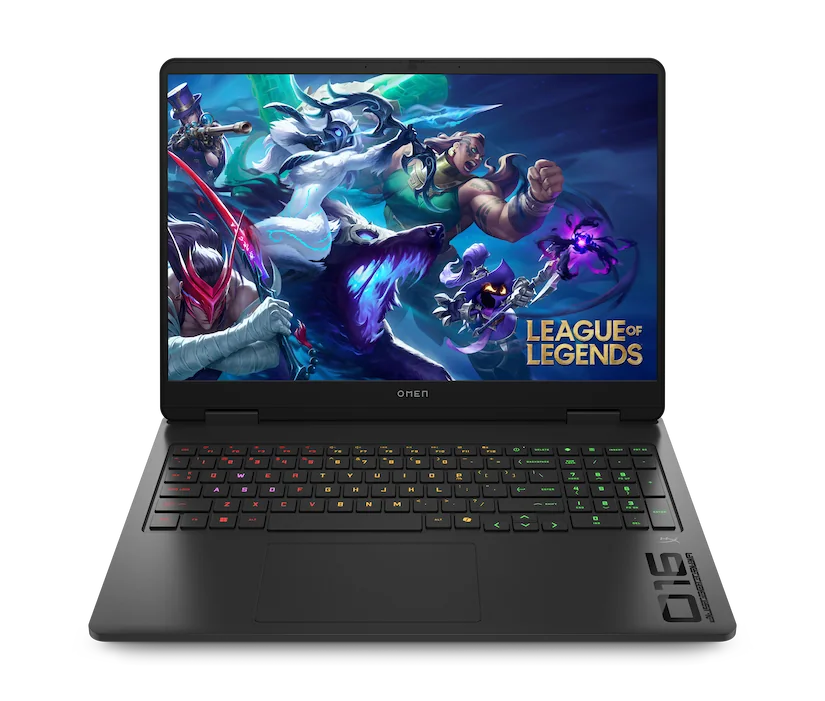
HP OMEN MAX 16 (2025)
HP OMEN MAX 16 (2025) fits developers who want one laptop that can compile, build lighting, and still run demanding games smoothly. The combination of high-end Intel HX-class CPU options and NVIDIA GeForce graphics makes it a strong all-around choice for Unreal and Unity work that leans on both CPU and GPU. If you care a lot about day-to-day “nice laptop” feel, note that the overall productivity experience is more mixed than the raw performance suggests.
Strong fit for demanding game dev workloads thanks to high-end Intel CPU options and discrete NVIDIA graphics
16-inch chassis with multiple display choices, including fast QHD+ panels and an OLED option
Plenty of headroom for modern AAA gaming performance
More of a performance-first machine than a refined productivity ultrabook
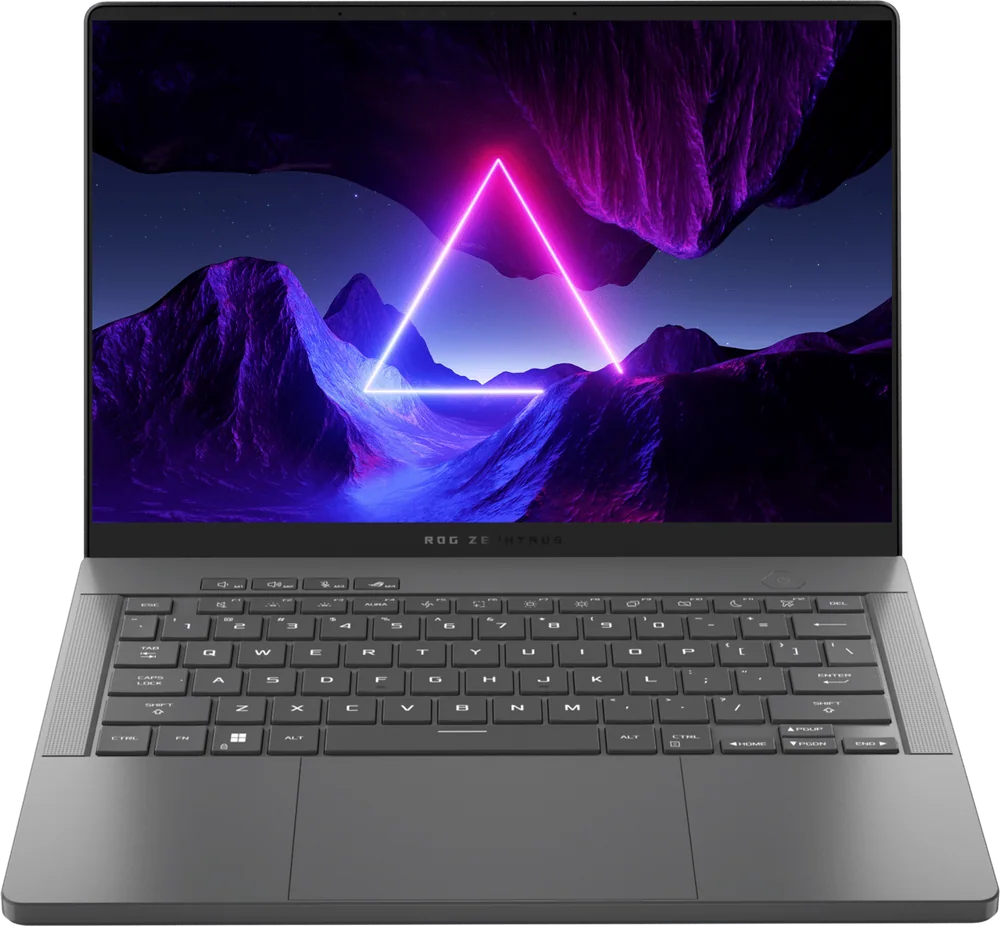
ASUS ROG Zephyrus G14 (2024) makes the most sense for developers who commute, travel, or work in different rooms and still want real gaming-laptop muscle. It delivers strong benchmark and game-test performance for its size, so you can iterate on projects and test builds without hauling a 16-inch brick. Choose it when portability matters as much as performance.
Compact, premium-feeling portability that suits a mobile dev workflow
Strong multi-core and gaming results for a 14-inch class laptop
Good fit for Unity and Unreal work that needs a capable GPU in a smaller chassis
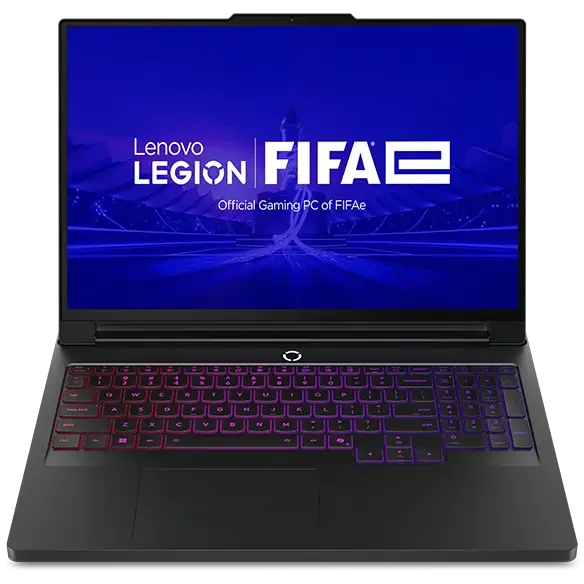
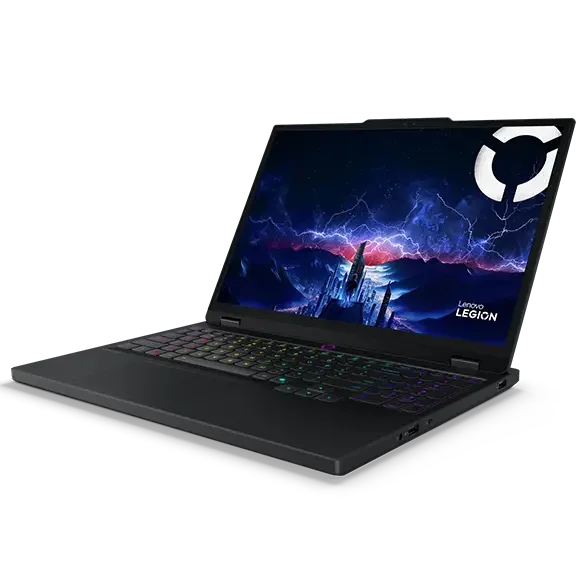
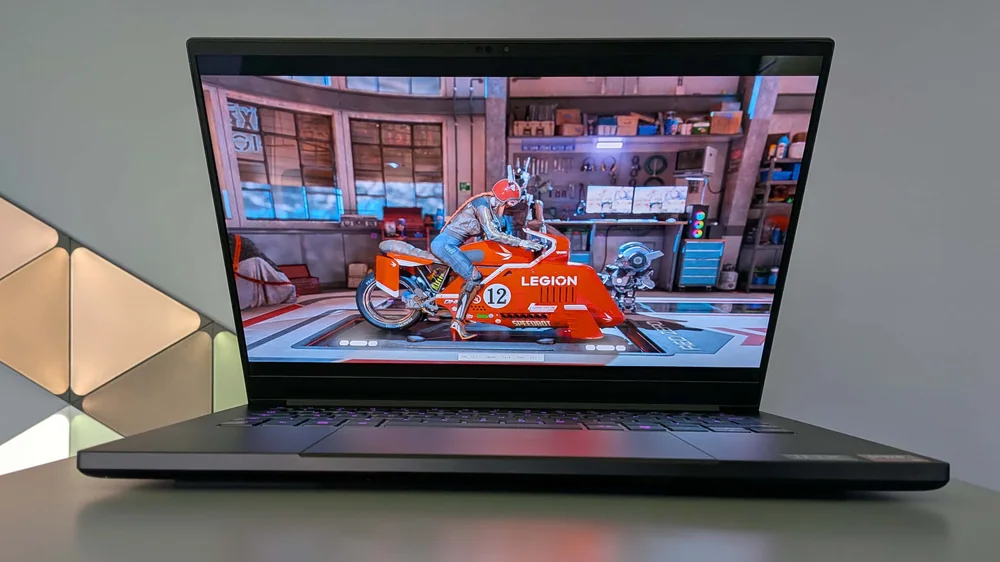
Lenovo Legion Pro 7i Gen 10 is for developers who want a more traditional high-performance gaming laptop that can double as a heavy-duty dev machine. It is the kind of system you pick when you expect long sessions of compiling, shader work, and frequent playtesting, and you want a build that feels made for sustained performance. If you are trying to stay lighter and more portable, the Zephyrus models higher on this list are the easier carry.
Built for high-performance gaming-laptop workloads that translate well to game development
A strong “do everything” choice for coding, engine work, and playtesting on one machine
Good fit when you want a more full-size chassis rather than an ultraportable approach
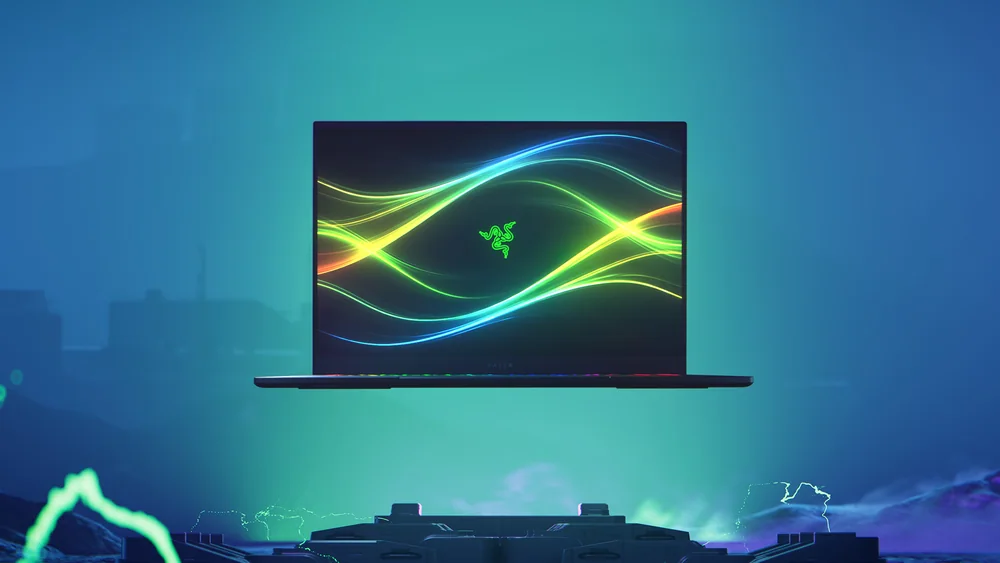
Razer Blade 16 (2026) is the move for developers who want premium build quality and a slimmer, more travel-friendly 16-inch laptop without giving up high-end GPU capability. It is a great match for a creator-style workflow where you bounce between engine work, content tools, and gaming, and you want the laptop to feel as polished as it is powerful. Expect to pay for that design and finish.
Premium, slim 16-inch design aimed at portability without abandoning performance
Configured with very high-end NVIDIA GeForce GPU options
Good fit for developers who want one machine for dev work and high-end gaming
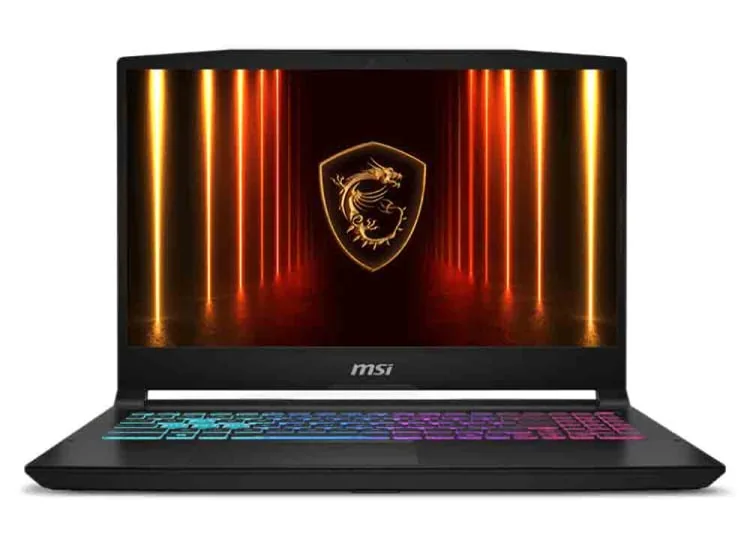
MSI Katana 15 HX works best for budget-conscious developers who still need a discrete GPU for testing, playtesting, and learning modern workflows. Its RTX 5050-class graphics target smooth 60 fps gaming, which translates into a practical baseline for running and validating your game builds. If your projects are heavy on high-resolution assets and large installs, be ready to manage storage more carefully.
Value-focused gaming laptop that still delivers smooth 60 fps-class gaming performance
RTX 5050-class GPU makes it a practical entry point for development and testing
Good choice when you want performance per dollar more than premium materials
Storage may require some juggling depending on your game library and project sizes
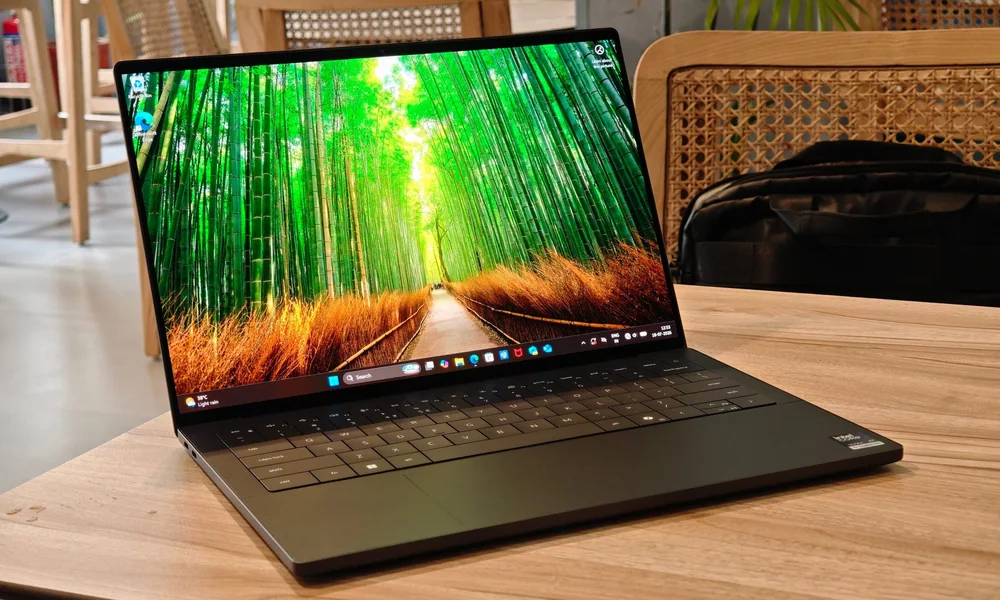
Dell XPS 14 (2026) is for developers whose day is split between coding, productivity, and lighter-to-moderate game dev work, and who want a more compact premium laptop than a typical gaming model. The focus here is speed and efficiency from Intel Core Ultra processors in a refreshed design, not maximum GPU throughput. For heavy Unreal work or frequent AAA playtesting, a true gaming laptop higher on this list is the safer bet.
Premium compact design that fits mixed dev and productivity use
Updated Intel Core Ultra platform aimed at speed and efficiency
Better match for lighter-to-moderate game development than GPU-heavy workloads
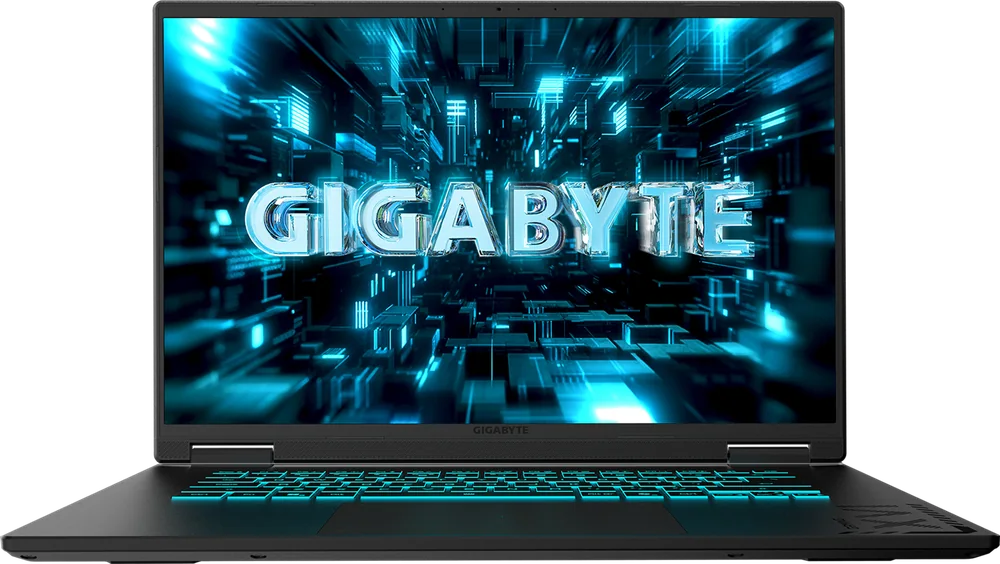
Gigabyte Gaming A18 is for developers who want an 18-inch screen to keep an IDE, engine, and asset tools open at the same time without living on an external monitor. The big display is the point, and it can make long editing and debugging sessions feel less cramped. Performance is more value-oriented than “maxed-out flagship,” so it is best when screen space matters more than chasing the fastest GPU tier.
18-inch class screen suits multitasking across code, engine windows, and tools
A desktop-replacement style laptop for a mostly stationary dev setup
Value-leaning approach for the giant-screen category
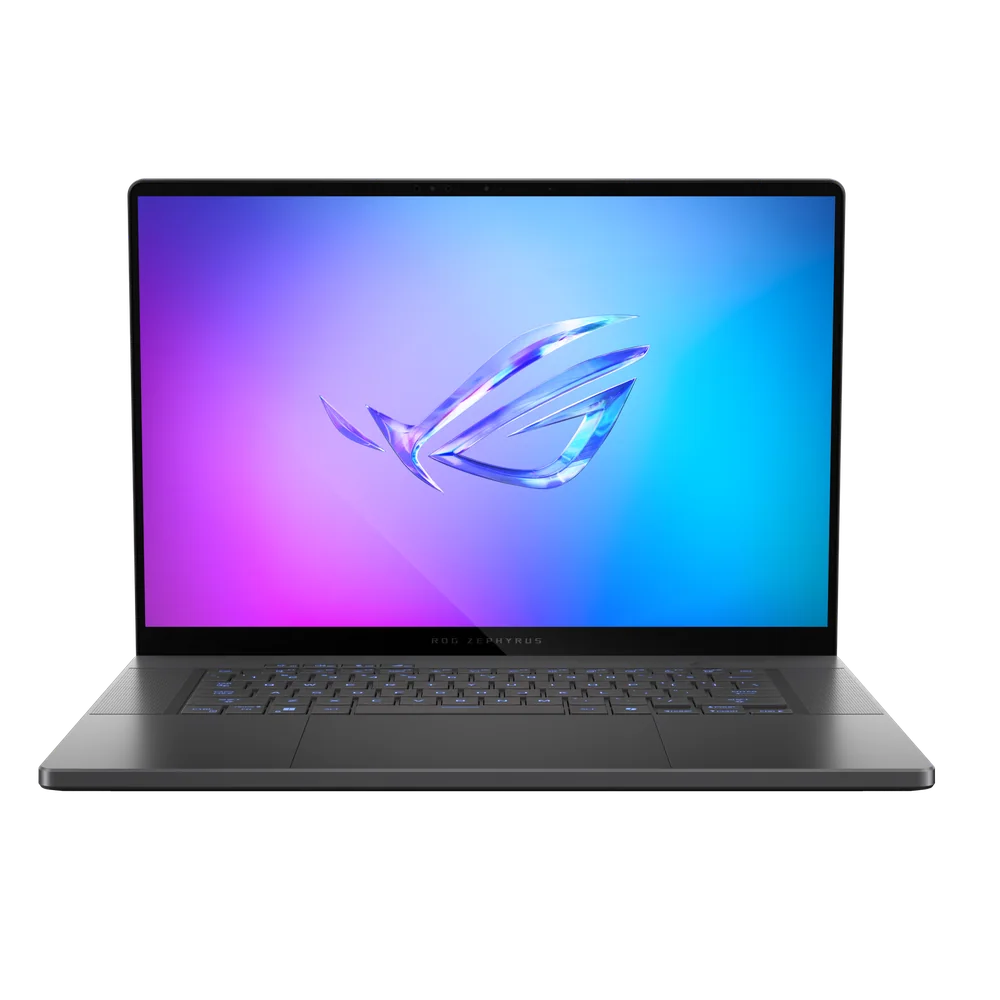
ASUS ROG Zephyrus G16 (2025) is a strong choice for developers who want serious GPU throughput in a more modern, premium-leaning gaming-laptop shape. It is a good middle ground when a 14-inch machine feels too limiting but you still want something that does not feel like a bulky desktop replacement. If you are trying to maximize raw performance above all else, the larger, more performance-first models on this list can make more sense.
Strong performance orientation for demanding gaming and GPU-heavy dev tasks
A balanced size class for developers who want more screen than a 14-inch laptop
Good fit for frequent playtesting and graphics-heavy workflows
Lenovo Legion 5i Gen 10 is for developers who want a mainstream gaming laptop that can also serve as a work machine, especially if you care about the display. The OLED panel and the Intel Core i7 plus RTX 5060 pairing make it a compelling setup for coding, content work, and playtesting. Battery life is the main practical compromise, so it is best for desk-first use or for people who can stay plugged in.
Strong value for its class with an OLED display that suits both work and play
Intel Core i7-14700HX and RTX 5060 pairing fits midrange game dev and testing
Thin and light for its size, with modern connectivity
Shorter battery life can matter for classes, travel, or long unplugged sessions
Razer Blade 14 (2025) is for developers who prioritize maximum portability but still want a premium gaming-capable laptop for travel and daily carry. The sharp 120Hz 3K OLED screen and strong performance make it a great small-machine setup for coding and playtesting on the go. The price-to-performance math is tougher than on larger laptops, especially if you want the most powerful GPU you can get for the money.
Premium 14-inch build with strong performance for its size
120Hz 3K OLED display suits both dev work and gaming
Long battery life for a gaming-class laptop
You can often get stronger graphics performance from larger laptops at similar cost
What matters most in a gaming laptop for game development?
For most game dev work, you want a strong CPU for compiling and general responsiveness, plus a discrete NVIDIA GPU for playtesting and GPU-accelerated tasks. Screen quality and size matter more than many people expect because you will live in an IDE and an engine UI for hours.
Is a 14-inch gaming laptop enough for Unreal Engine or Unity?
It can be, especially for Unity and for Unreal projects that are not pushing huge scenes all day. The main limitation is workspace and sustained comfort, not just speed. If you constantly juggle multiple panels and tools, a 16-inch or 18-inch laptop feels easier.
When should I choose a 16-inch laptop over a 14-inch model?
Choose 16-inch when you want more screen space for engine panels and debugging, and when you expect longer sessions where cooling and sustained performance matter. A 14-inch model makes more sense when you carry the laptop daily and work in tight spaces.
Is a creator-style laptop like the Dell XPS 14 a good substitute for a gaming laptop?
It can be a good fit for lighter-to-moderate game development mixed with lots of productivity work, especially if you value a compact premium design. For heavy Unreal workloads and frequent AAA playtesting, a true gaming laptop with stronger graphics headroom is the safer choice.
What is the most practical “value” choice here for learning game development?
MSI Katana 15 HX is the straightforward value play when you want a discrete GPU and solid gaming performance without paying for premium design. Lenovo Legion 5i Gen 10 is a strong alternative if you care more about the OLED display and a work-and-play balance, as long as you can live with shorter battery life.