Brush design is the real pet-hair spec
Suction gets the marketing spotlight, but brush design does the work. The main roller agitates carpet and pulls hair into the airflow. Some rollers are better at resisting wrap, meaning hair is less likely to wind tightly around the brush and end caps. Dual-roller setups can help on mixed floors, while a single roller can be simpler to clean. A side brush helps gather hair along baseboards, but it can also scatter lightweight fur if the robot’s airflow and pickup path are not well matched.
Match the brush to your hair situation. Long human hair plus long-haired pets is the toughest combination for tangles. Expect to remove the roller and clear wrapped hair regularly, even with -anti-tangle- designs. Short-haired shedding often creates fine fuzz that packs into the brush housing and filter instead of wrapping. If your robot has removable end caps, cleaning is faster because you can pull hair out of the axle area. If it does not, hair can build up where you cannot easily reach, and performance drops gradually.
Bin capacity, self-empty bases, and why filters clog in pet homes
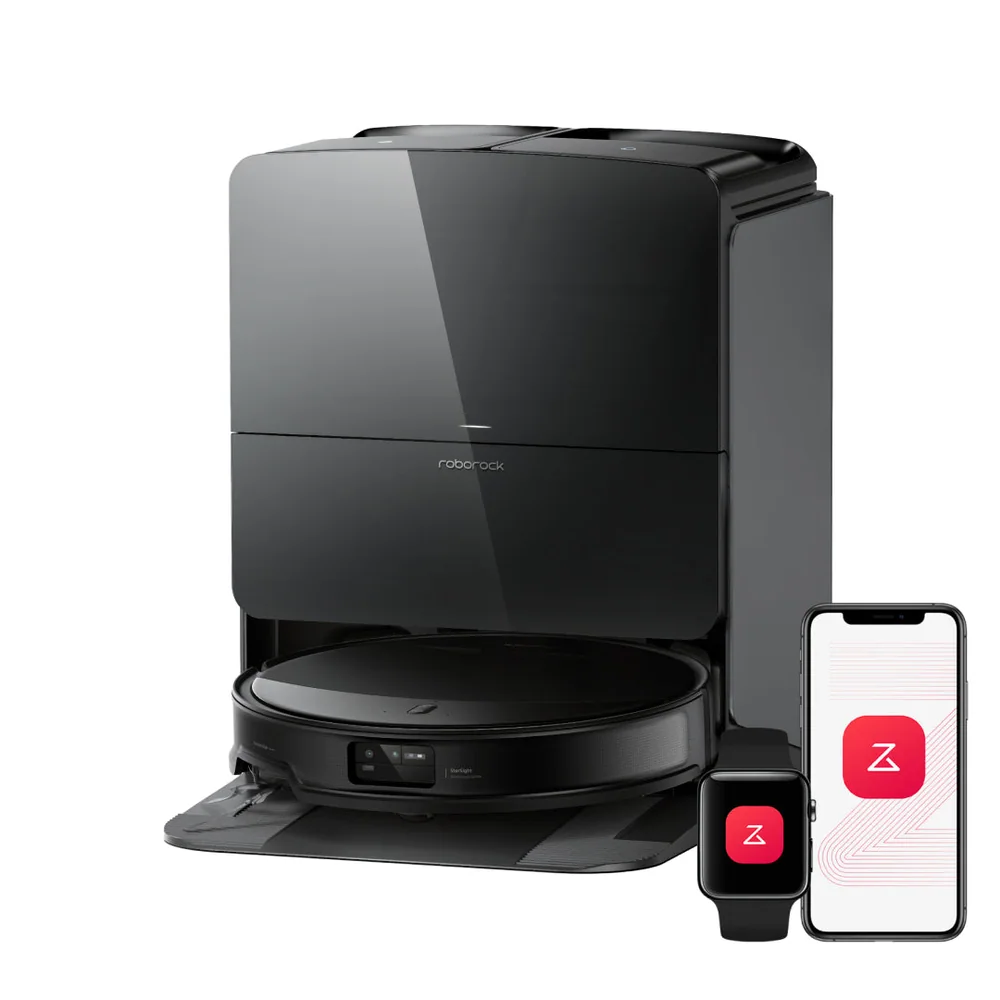
Pet hair fills bins fast, and a full bin reduces airflow. That is why a self-empty base is especially helpful for pet owners. After each run, the base pulls debris into a larger container so the robot starts the next session with full capacity. If the base uses bags, you get cleaner disposal and less dust puffing out, but you will need replacement bags. Bagless bases avoid bag costs, but you will dump a canister and may see more dust during emptying.
Filters are the hidden limiter. Fine dander and dust from litter or outdoor dirt can cake a filter and choke suction. When that happens, the robot may leave hair behind even if the brush looks clean. Plan on checking the filter often at first, then adjusting based on what you see. If your home has heavy shedding seasons, you may need more frequent filter cleaning or replacement. Also watch for clogs in the air channel from the bin to the filter, where hair can form a felt-like plug.
Obstacle avoidance and the pet-home floor reality
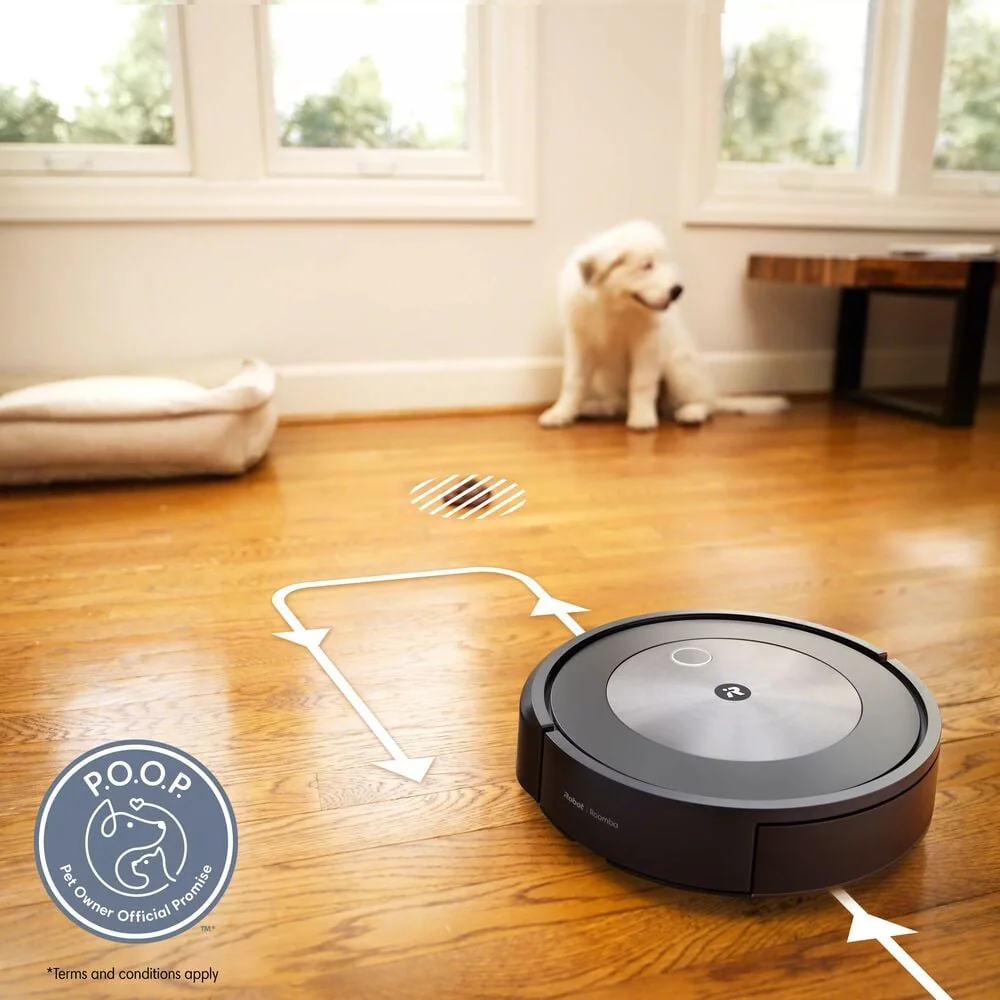
Obstacle avoidance is the robot’s ability to detect and steer around objects like cords, shoes, and pet bowls. In pet homes, it is also about avoiding toys and preventing the robot from pushing bowls around the kitchen. Better avoidance means you can run the robot while life is happening, not only after a full floor pickup. That said, no system replaces basic prep. If a string toy gets sucked into a brush, the robot can jam and stop cleaning until you rescue it.
The biggest pet-home risk is running a robot into something wet or messy. If you have a pet that has accidents, you should be cautious with unattended schedules and consider running the robot when someone is home to do a quick floor scan first. If you use a mop feature, keep it away from carpeted pet beds and fringed rugs that can snag the pad. A little planning, like setting no-go zones around feeding areas and toy baskets, prevents most of the frustrating failures.
Scheduling and maintenance routines that actually reduce hair
The easiest way to -improve- pet hair performance is to run the robot more often. Daily runs keep hair from accumulating into thick layers that overwhelm the brush and bin. If your robot supports room scheduling, focus on the zones where pets spend time: near couches, under dining tables, and along hallways they use as tracks. For carpet, consider a slower, higher-power pass a few times a week, then lighter maintenance passes on the other days.
Maintenance is part of the deal, but it can be predictable. Once a week, clear the roller and side brush, and wipe the sensors so navigation stays consistent. Every few weeks, check the wheels for wrapped hair, which can affect traction and cause the robot to struggle on rugs. If you have a self-empty base, inspect the base intake occasionally because hair clumps can lodge there. The payoff is consistency. A robot that is kept clean keeps picking up hair instead of slowly turning into a noisy floor ornament.