

Pickori's Take
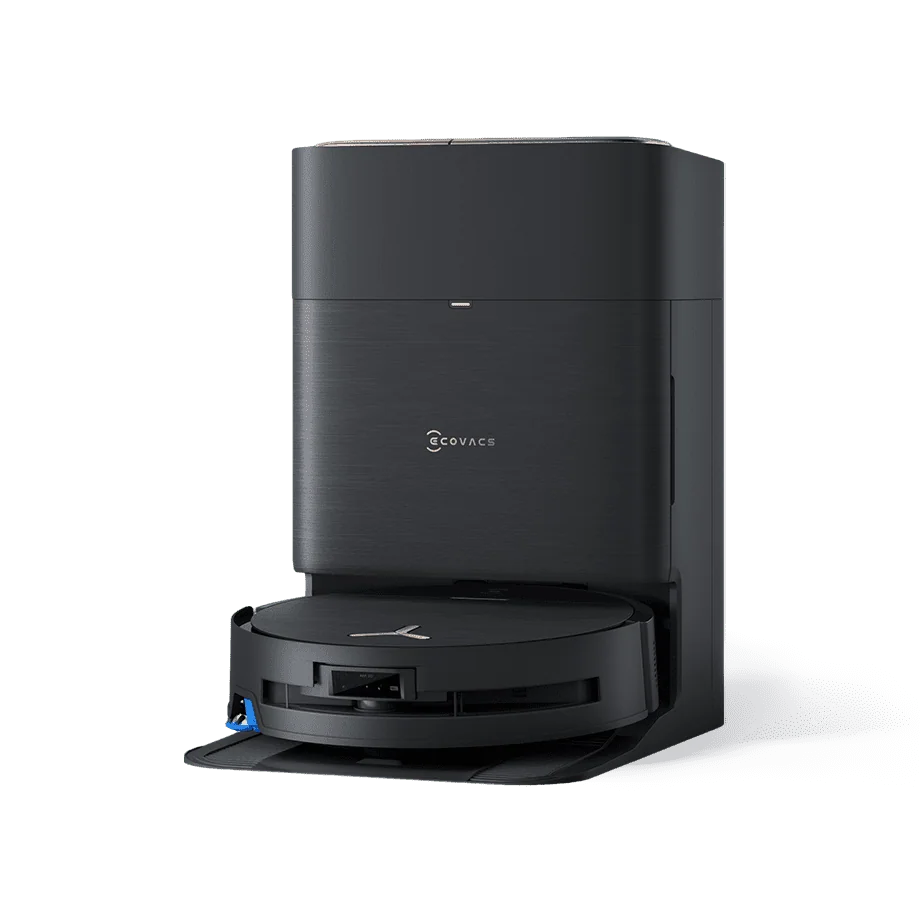
- Pickori recommends the T90S Pro Omni as 2026's best performance-per-dollar robot vacuum. At $900, it ranks fourth in our 10 best of 2026. It is the first premium robot most hard-floor and mixed-floor homes should seriously consider before stepping up to $1,300 or more.
- Mopping is the real headline. A freshly rinsed, scraped roller pressing down at 4,000 Pa cleared fresh spills and dried porridge in exact-model testing. Only the most stubborn dried stains, such as mustard, may need another pass.
- The dock takes on the grimiest work, including roller washing and tray rinsing, but it is not maintenance-free. Someone still refills clean water, empties dirty water, replaces bags and solution, and cleans the filters, brushes, and sensors.
- Read 40,000 Pa as marketing, not a carpet benchmark. Visible-debris pickup reached 92 percent on tile and 90 percent on carpet, while 75 percent sand recovery from carpet marks embedded grit as average. Ordinary rugs are comfortable territory, but deep pile calls for a carpet specialist.
- It rewards a tidy floor. Avoidance suits homes where cords and socks get picked up, not chronic clutter or pet-accident risk. The pricier flagships justify themselves through better avoidance, taller thresholds, lower furniture reach, deeper carpet extraction, or app polish.
A flagship-grade mop on a $900 robot
The 40,000 Pa on the box gets the attention. The real achievement is how much flagship mopping hardware Ecovacs has fitted into a $900 robot, and nearly all of it targets one stubborn problem: keeping dirty water off the floor the robot is trying to clean.
Most robot mops use a pair of spinning pads that stay pressed to the floor and grow dirtier until the robot returns to the dock for a wash. The last room gets the grimiest fabric. The T90S uses a 27 cm roller instead. Fresh water arrives through 32 pressurized outlets, and a scraper strips dirty water away as the roller turns, so the section meeting the tile has just been rinsed. That reduces dirty-water transfer rather than eliminating it, but it is the right problem to solve, and it is what lets this robot compete with machines costing far more.
How the Deebot T90S Pro Omni handles a real home
The T90S is strongest where homes generate the most work: kitchens, entryways, and hair. Here is how its hardware maps to each job, including the few where the household needs to meet it halfway.
| Workload | Outlook | What to expect |
|---|---|---|
| Hard-floor crumbs and tracked debris | Excellent | Kitchens and entryways are where the T90S looks most like a flagship. Oat pickup on tile measured 92 percent, and a mixed course of cereal, sugar, flour, and litter was nearly clean after two passes. Airflow deserves as much credit as pascals. Suction pressure breaks debris loose, but moving air, rated at 33.9 CFM, carries it into the 250 mL bin. Daily crumbs are about as solved as robot cleaning gets. |
| Carpet, rugs, and fine grit | Strong on visible debris, average on embedded grit | Visible debris on carpet comes up nearly as well as on tile, with 90 percent oat pickup in the same test, so ordinary rugs and bedrooms are well within range. Fine sand is tougher. The robot recovered 75 percent from carpet, which is average and a reminder that a pascal rating is not a carpet benchmark. The 40,000 Pa claim sits a third above the T90 Pro's 30,000 Pa, yet rated airflow rises only about three percent. |
| Dried kitchen stains | The standout category | This is where $900 looks generous. The roller presses down at 4,000 Pa and turns at up to 220 RPM, scrubbing a 27 cm strip with a surface that is rinsed and scraped as it goes, which limits how much dirty water gets dragged back across the floor. Fresh spills and dried porridge cleared well in exact-model testing, and ordinary dried stains yielded to repeat passes. Dried mustard still left small traces after two passes, so the most stubborn messes may need a spot-clean run. |
| Long hair and pet fur | Strong, with occasional brush checks | ZeroTangle 4.0 covers both the main and side brushes and materially reduces the wrapping that turns hair removal into a scissors job. Testing still found a few strands on both brushes. That is normal for the category, but it falls short of a never-touch-it promise. Surface fur on hard floors and low rugs is easy work, and the 2.5 L dock bag absorbs heavy shedding seasons without constant emptying. |
| Baseboards and square corners | Great edges, ordinary corners | TruEdge 3.0 pushes the roller out about 1.5 cm and tracks baseboards closely, with a felt edge softening contact. That covers the long straight runs that make up most of a room's perimeter. Corners are a geometry problem. A round robot with a fixed side brush cannot fully reach a 90-degree corner, and testing found crumbs left there. In homes where corners and cabinet overhangs collect the visible mess, the MOVA V70's premium makes sense. |
| Cords, socks, chair legs, and clutter | Fine after a quick tidy | AIVI 3D 4.0 recognizes objects by combining an RGB camera, structured light (a projected pattern that reads depth), and LED assistance, and results vary from run to run. It avoids plenty, but cables, socks, and chair legs still get caught or bumped at times. A quick pre-run tidy covers most of it: pick up cords and laundry, and draw no-go zones around desk wiring. In homes where that routine is unrealistic, or where a pet accident could be waiting, stronger avoidance is worth real money. |
| Rugs, thresholds, and low furniture | Good with rugs and ordinary sills | On carpet, the wet roller lifts 15 mm and a physical cover closes over it, a meaningful step beyond lift height alone. Rugs stayed dry in one exact-model test. Another saw a single confusing carpet transition in combined mode, so carpet rules deserve a check during setup, and the first full-home run deserves a watch. The single-step threshold rating is 2.5 cm, and at 9.5 cm tall the robot needs at least that much clearance under sofas and beds. |
| Large multi-room cleaning | Workable, thanks to the dock | The 4,000 mAh battery is modest for this class. One full-power stress run left 63 percent after 30 minutes. PowerBoost compensates. Ecovacs says each three-minute roller-washing stop adds about 10 percent charge, which turns the dock into a pit lane. Large homes get finished, but they depend on clean docking and sensible routes, and open layouts may need room boundaries corrected by hand. |
The pattern favors the buyer. Pickup, stain removal, and edge work land close enough to the $1,300 to $1,700 flagships that, in most homes, the price gap buys less than it suggests.
The compromises sit at the margins: a floor that needs tidying first, and average embedded-grit extraction. Most hard-floor and mixed-floor households already live inside those limits.
The dock settles it. It washes the roller with water up to 75 C (167 F), dries it with hot air, doses detergent, empties dust, and rinses its own tray and dirty-water box. That takes the worst chores of roller-mop ownership off the owner's list.


Strong daily pickup, whatever the pascals say
Pascals measure how hard a motor pulls against a sealed opening, and each brand measures them its own way, so the figure says little about carpet. Airflow, the moving air that actually carries debris into the bin, is the more honest clue. Ecovacs claims 33.9 CFM (about 16 L/s), roughly three percent more than the T90 Pro manages with its 30,000 Pa rating.
Pickup is strong where most homes need it. Exact-model testing recorded 92 percent oat pickup on tile and 90 percent on carpet, and a mixed course of cereal, sugar, flour, litter, and a doormat was nearly clean after two passes. Sand recovery from carpet reached 75 percent, which puts embedded grit at average. ZeroTangle 4.0 kept long hair largely in check, though a little still reached the main and side brushes. Ordinary rugs sit comfortably within range. Deep-pile homes are better served by a robot built around extraction.
The roller is where the money went
Mopping is where the T90S competes most directly with robots costing hundreds more. The roller presses down at 4,000 Pa and spins at up to 220 RPM. In exact-model testing it cleared fresh spills and dried porridge, and ordinary dried stains lifted after repeated passes. Dried mustard still left small traces after two passes, so the toughest messes suit a second scheduled run better than one heroic sweep.
Edges fare better than corners. TruEdge 3.0 slides the roller out about 1.5 cm to track baseboards, and a felt edge softens contact with the wall. Tight 90-degree corners still held crumbs, because a fixed side brush on a round body can only reach so far in. Cabinet-heavy kitchens are where the MOVA V70's edge and overhang work starts to earn its premium.
Rug protection that goes beyond lift height
A wet roller and a rug are a bad pairing, and the T90S guards against it twice. The roller lifts 15 mm, then a physical cover drops over it. That cover is a meaningful step beyond lift height alone, particularly over low-pile rugs, and the carpet stayed dry in one exact-model test.
A separate test logged one confusing transition from carpet back to hard floor in combined vacuum-and-mop mode. It looked like an isolated hiccup rather than a pattern, but it makes room-by-room carpet rules worth the few minutes during setup. The single-level threshold rating of up to 2.5 cm clears ordinary doorway strips. Homes with taller steps between rooms are where a dedicated climber justifies its cost.
The dock cleans the cleaner, tray included
Roller robots share a grimy secret: the wash tray under the dock, where sludge collects and most stations leave the scrubbing to the owner. The T90S rinses its own tray and cleans its dirty-water box, taking over the least pleasant recurring job of roller-mop ownership. Week to week, that matters more than every pascal Ecovacs added.
The station also empties dust into a 2.5 L bag, doses detergent, washes the roller with water heated up to 75 C (167 F), and dries it with hot air. A removable upper tray layer simplifies deep cleaning, and the box includes a spare roller, side brush, filter, dust bag, and solution.
Automated still isn't maintenance-free. Someone refills the 4.0 L clean tank, empties the 2.2 L dirty tank, replaces bags, buys solution, and periodically cleans the filters, brushes, sensors, and the dock itself.
A modest battery with quick pit stops
The 4,000 mAh battery is small by flagship standards, and one full-power stress run left 63 percent after 30 minutes. PowerBoost covers much of the gap. A roller mop returns to the dock for washing anyway, so each stop doubles as a top-up worth about 10 percent in three minutes, by Ecovacs' figure.
That arrangement depends on reliable docking and routing, so very large multi-room homes lean harder on the navigation limits above. Two measurements deserve a check before ordering. The robot stands 9.5 cm tall and needs at least that much clearance under sofas and beds. The station measures 33.8 x up to 46 x 50 cm and needs extra room around it for pulling the tanks.
T90S Pro Omni or the older T90 Pro Omni?
The two share a platform and the same 4,000 mAh battery. The T90S adds the 40,000 Pa claim, a revised roller, the wet-roller cover, and a station that rinses its own tray. At that gap, the T90S is the easier robot to live with.
Discounts change the math. When the T90 Pro sells for $300 to $400 less, it becomes a sensible value alternative, because a three percent airflow gain is not worth that much. The T90S then earns its premium mainly where tray cleaning is the dreaded chore or rugs need the cover.
T90S Pro Omni or Roborock Saros 20 Flow?
Both mop with a continuously rinsed roller, so on hard floors they share the same core approach. The Saros 20 Flow is the calmer, more polished flagship, with steadier navigation, a mature app, better threshold capability, and more dependable obstacle handling.
Those strengths matter most in homes where the robot should start without anyone walking the floor first, or where doorways have taller transitions. In a tidy home with ordinary thresholds, the cleaning results sit close together, and polish alone struggles to justify a flagship premium of several hundred dollars.
T90S Pro Omni or Dreame X60 Max Ultra Complete?
Floor type settles this one. The Dreame X60 is Pickori's most complete mixed-floor flagship, and its advantages fall where the T90S is merely good: carpet pickup, pet hair, clutter avoidance, very low furniture, and threshold handling.
When carpet covers a real share of the house, or toys and pet hazards regularly end up on the floor, the X60's range earns its premium. On tile, wood, or vinyl with ordinary rugs, the T90S delivers the cleaning that matters day to day for far less, and the X60's extra capability would mostly sit idle.
What $900 should buy in a robot vacuum
At $900, a robot should mop well enough to replace routine wet cleaning, empty itself, wash and dry its own mop, and handle hair without constant detangling. The T90S does all of that and also rinses its own wash tray, a chore most stations leave to the owner.
Moving to $1,300 to $1,700 buys better obstacle avoidance, taller threshold climbing, reach under lower furniture, deeper carpet extraction, and more polished software. Each is a real improvement, and each pays off only as often as a home presents that problem. In most hard-floor and ordinary mixed-floor homes, that is rare enough to make the T90S the rational place to stop spending.
Who this product fits
A hard-floor home with kitchen spills and pets
This is the T90S's home turf. The rinsed roller handles daily drips and tracked-in dirt while carrying less grime into the next room. ZeroTangle limits fur wrapping, and the dock scrubs the tray you would otherwise clean by hand. Plan on touching up square corners and clearing pet messes before each run.
A mixed-floor home with several rugs
Ordinary rugs are comfortable territory. The lift and cover keep them dry, and visible debris comes off carpet nearly as well as it does off tile. Embedded grit is where results drop to average. Rugs scattered across hard floors suit the T90S well. Once carpet covers half the home, the Dreame X60's premium starts paying off.
A home where cords and toys stay on the floor
A quick pickup before each run makes the T90S perfectly livable. Its avoidance, though, is not proven enough to send it unsupervised across a toy-strewn floor or anywhere near pet accidents. If that sweep realistically will not happen, the Saros 20 Flow and Dreame X60 offer the avoidance that justifies their extra cost.
A large one-level home
PowerBoost suits big floor plans. The robot returns to wash its roller anyway, and each three-minute stop adds about 10 percent charge, which stretches a 4,000 mAh battery further than its capacity suggests. Open layouts may need boundary adjustments, so the first few runs are best spent refining the map before you schedule full-home cleans.
A value shopper weighing T90 generations
Here the price gap decides. Against the T90 Pro's $799.99 list price, $100 more for tray rinsing and the wet-roller cover is easy to justify. Promotions sometimes drop the older robot $300 to $400 below the T90S. At that spread, the T90 Pro becomes the better value for anyone untroubled by scrubbing a dock tray.
What else to compare
Each rival below wins on something specific: a discounted T90 Pro on price, the Saros 20 Flow on polish and obstacle avoidance, and the Dreame X60 on mixed floors. Here is which homes make each one worthwhile.
 Ecovacs Deebot X9 Pro OmniAn older Ecovacs alternative with a strong roller mop and a more established testing record when heavily discounted
Ecovacs Deebot T90S Pro Omni FAQ
Is the Ecovacs Deebot T90S Pro Omni worth $900?
For hard-floor and ordinary mixed-floor homes, yes. It keeps the roller mopping and dock automation that flagships charge $1,300 or more for, which is how it earns Pickori's Best Performance per Dollar award.
What changed from the T90 Pro Omni?
The suction claim rises from 30,000 to 40,000 Pa, the roller system is revised, a physical wet-roller cover arrives, and the station now rinses its own tray. The platform and 4,000 mAh battery carry over.
Does 40,000 Pa make it better on carpet?
Not meaningfully, since airflow rose only about three percent. It picked up 90 percent of oats on carpet, but its 75 percent sand recovery marks embedded grit as average.
How well does it avoid cords and small objects?
It avoids them well enough on a picked-up floor, but not reliably around clutter. Exact-model reports range from useful avoidance to missed cords and socks and bumps against furniture legs.
How much maintenance does the Omni station require?
Less than most docks, but not none. It handles dust emptying, roller washing and drying, solution dosing, and tray rinsing. You manage both tanks, bags, and solution, plus periodic filter, brush, sensor, and dock cleaning.
T90S Pro Omni or Roborock Saros 20 Flow?
The Saros earns its higher price with calmer navigation, stronger obstacle avoidance, better threshold climbing, and a more mature app. Tidy homes with ordinary thresholds rarely call on those strengths.
Where the shopping can sensibly stop
For most hard-floor and ordinary mixed-floor homes, the T90S Pro Omni is the rational stopping point. It keeps the roller and dock that change weekly ownership, and it skips the premium for problems many homes never have.
Chronic clutter, tall thresholds, very low furniture, or deep carpet justify going further. Without them, Pickori recommends the T90S.
Sources and research notes
Specifications come from manufacturer documentation. Measured results are attributed to independent evaluations.
- Deebot T90S Pro Omni US product pageEcovacs
Official US product identity, price, specifications, carpet protection, dock functions, PowerBoost charging, and feature claims.
- Ecovacs Deebot T90S Pro Omni testinside digital
Exact-model debris pickup measurements, carpet grit, hair tangles, mopping, carpet protection, navigation, obstacle avoidance, battery use, included accessories, and dock observations.
- Ecovacs Deebot T90S Pro Omni testOutdoorMonster
Exact-model mixed-debris and stain testing, setup, app, normal-use noise, carpet behavior, navigation, and overall ownership observations.
- Ecovacs Deebot T90S Pro Omni reviewMisterGadget.Tech
Exact-model low-furniture reach, corner limits, mapping, obstacle behavior, battery demand, dock care, and pet-home observations.
- Deebot T90S Pro Omni versus T90 Pro OmniMeilleure Innovation
Generational specification comparison, airflow context, older-model measured noise and edge results, and upgrade-value analysis.
- Ecovacs T90 Pro Omni reviewVacuum Wars
Independent context on the preceding T90 Pro platform, including vacuuming, mopping, navigation, obstacle avoidance, and comparative value.