Explore Gaming Laptops for more buying guides, in-depth reviews, comparisons, and practical advice.
These are Pickori’s recommendations for the best gaming laptops for vr gaming in 2026, covering affordable VR-capable laptops, portable premium machines, and high-end desktop replacements. If you want a laptop that can handle VR plus everyday work, or you just want the most performance you can reasonably carry, start here.
Pickori may earn a commission from affiliate links.
1
Best Budget Gaming Laptop
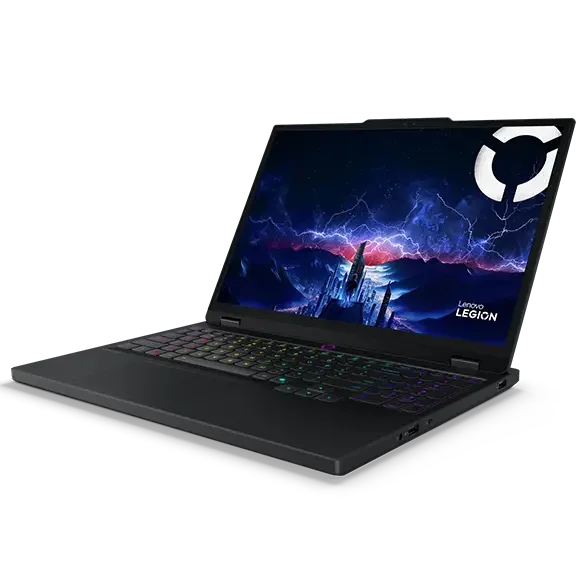
Lenovo Legion 5i Gen 10
Lenovo Legion 5i Gen 10 makes the most sense for most VR shoppers who want a capable gaming laptop without paying premium-laptop money. The value is the point: you get potent gaming performance for the class plus a standout OLED panel and up-to-date connectivity, which makes it easier to live with as an everyday laptop. If you want one machine that can handle VR sessions and still feel nice for normal use, this is the cleanest buy in the group.
Best fit for budget-minded VR gaming that still needs strong day-to-day usability
OLED display is a real quality-of-life upgrade for games and general use
Strong price-to-performance positioning in its base configuration
Modern connectivity helps it work well as a do-everything laptop
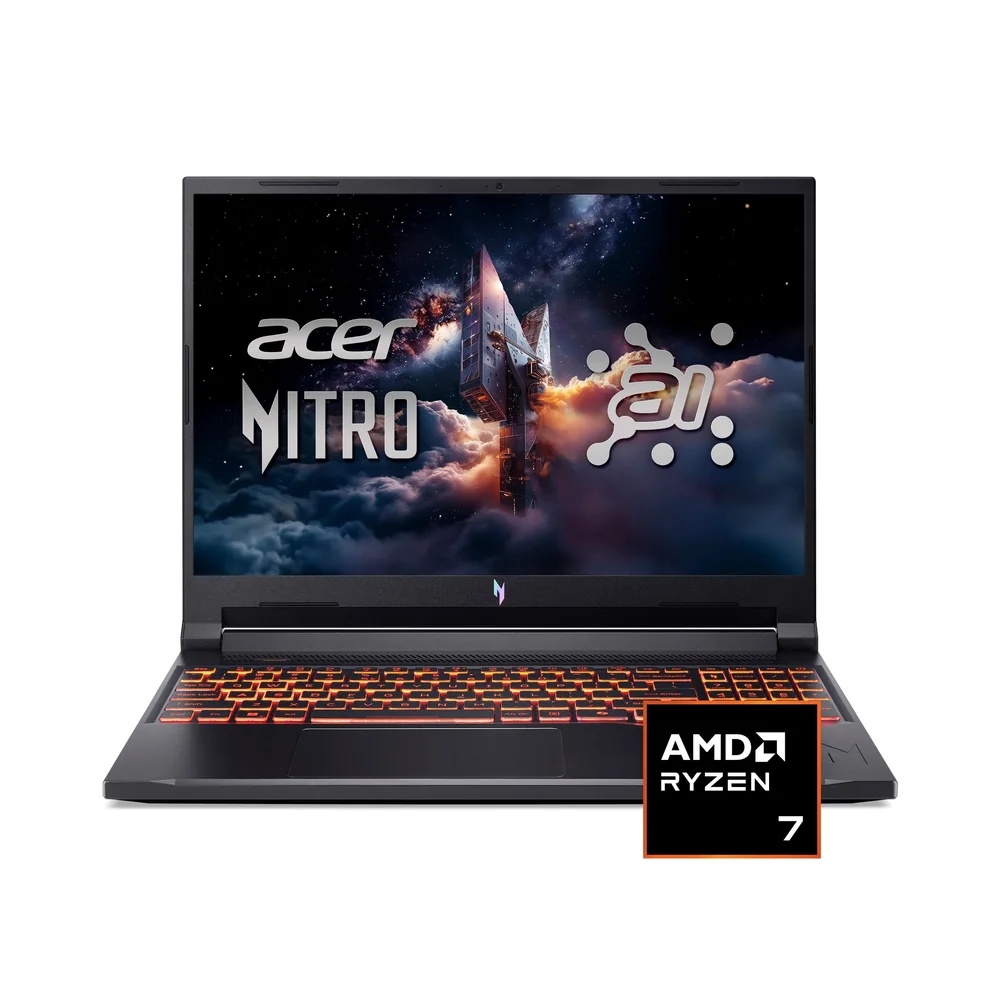
Acer Nitro V 16 AI is for VR-curious buyers who want an affordable gaming laptop that prioritizes speed at full HD and keeps the screen experience big and fast. It pairs entry-grade components with a quick 1200p display, which is a smart combo for lighter VR ambitions and regular gaming. Noise can be a deciding factor in this family of laptops, so if you are sensitive to fan volume, it is worth thinking twice.
Good entry point for lighter VR and 1080p-focused gaming
Fast, big 1200p display helps games feel more responsive
Strong value approach: solid entry-grade components without pretending to be premium
Fan noise is a potential deal-breaker for some buyers
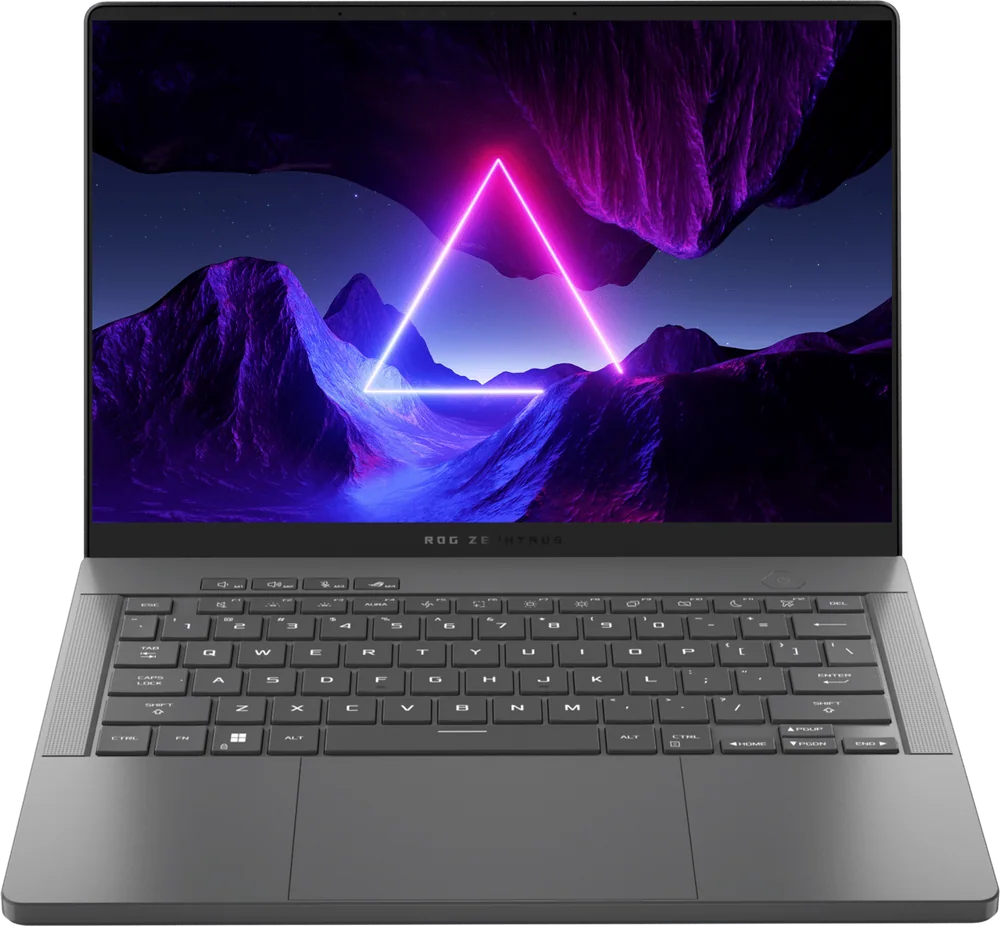
ASUS ROG Zephyrus G14 (2024) is the move for people who want a premium gaming laptop that is easier to carry and still has the muscle for modern games and VR. The appeal is portability without giving up the “real gaming laptop” feel, which matters if this is going in a backpack a lot. If you mainly play at a desk and do not care about size, a larger chassis can be a better value for sustained performance, but that is not the point of the G14.
Best fit for frequent travel and smaller-bag portability
Premium all-around approach for gaming plus VR on the go
Strong enough for modern AAA gaming, not just esports titles
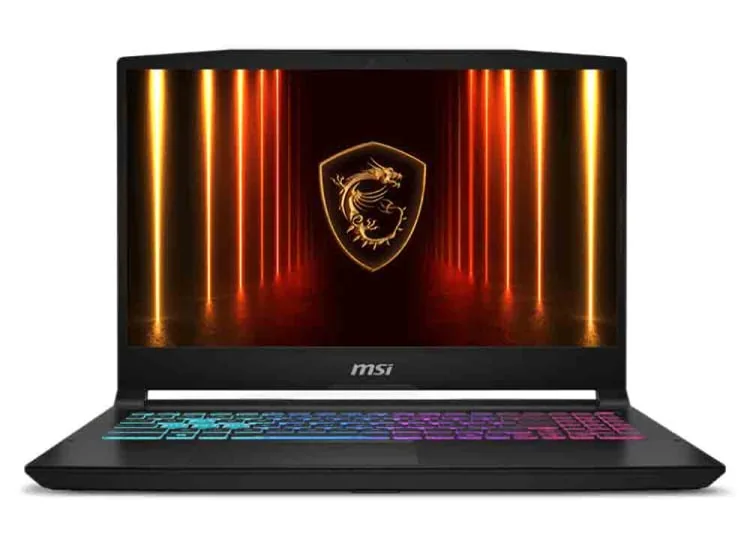
MSI Katana 15 HX is for shoppers trying to get into VR-friendly gaming on a tighter budget, with the expectation that you will lean on smart settings choices rather than brute-force power. Its RTX 5050 setup is built to deliver smooth 60fps-class gaming, and it can do that with or without DLSS 4, which is exactly what you want from a lower-cost performance laptop. Storage is the main practical catch: plan on managing installs or upgrading later if you keep a big game library.
Good budget floor for VR-capable gaming performance
Designed around smooth 60fps gaming, with or without DLSS 4
Comfortable keyboard with RGB lighting and varied connectivity
Storage capacity can force some juggling for larger libraries
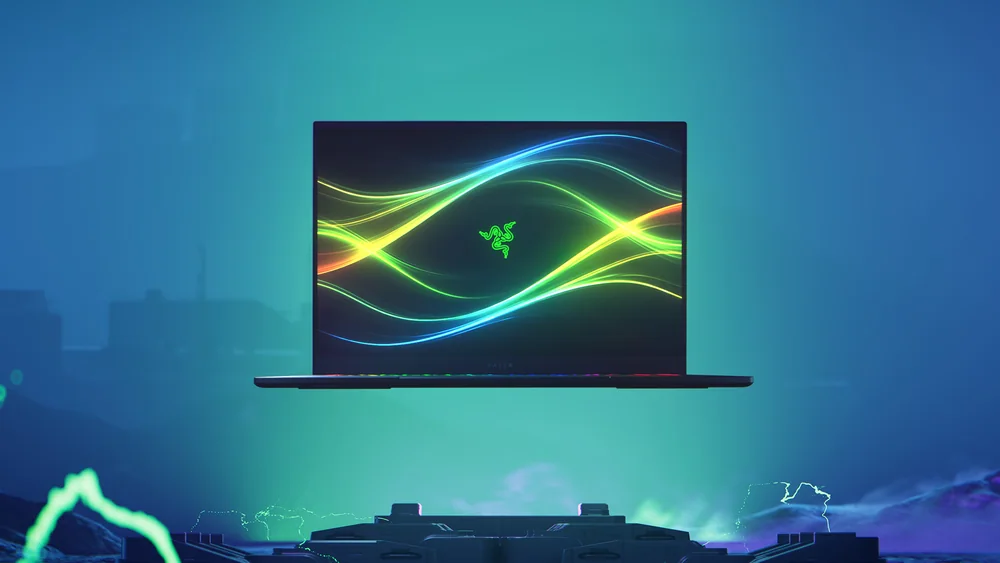
Razer Blade 16 (2026) is for buyers who want a high-end gaming laptop that feels refined and still brings serious GPU firepower for demanding VR and AAA gaming. The reason to pay for it is simple: it targets top-tier performance in a more polished, carryable chassis than many bulky gaming rigs. If you do not care about the premium build vibe, you can often get strong gaming performance for less elsewhere, but the Blade’s appeal is the whole package.
Premium choice for demanding VR and high-end gaming workloads
Configured with very high-end GPU options (including RTX 5090 in some builds)
A more refined chassis approach than typical thick gaming laptops
HP Omen 15 (2026) is for shoppers who want a mainstream gaming laptop for VR-capable play and do not want to overthink the category. It sits in the middle of the market: performance-focused, broadly appealing, and aimed at balanced gaming rather than boutique design. The downside is that the details that usually separate a great buy from an average one are not clearly established here, so it is easier to recommend the better-documented Lenovo Legion 5i Gen 10 when you want a safer choice.
Mainstream midrange direction for VR-capable gaming
Good fit for general-purpose gaming, not just one niche
Less clearly defined strengths than the top-ranked laptops in this guide
Gigabyte Gaming A16 is for value hunters who want strong modern gaming hardware without jumping to premium pricing. The key draw is the RTX 5060 configuration (and, in some versions, 32GB of RAM), which is the kind of foundation that makes VR gaming feel less like a compromise. If you want a more polished overall laptop experience, the Lenovo Legion 5i Gen 10 is the easier all-around recommendation, but the A16 earns its spot on raw value.
Strong value play for VR-capable gaming on modern graphics
RTX 5060 configurations make it a more confident step up from entry-level GPUs
Some configurations include 32GB RAM, which helps with heavier games and multitasking
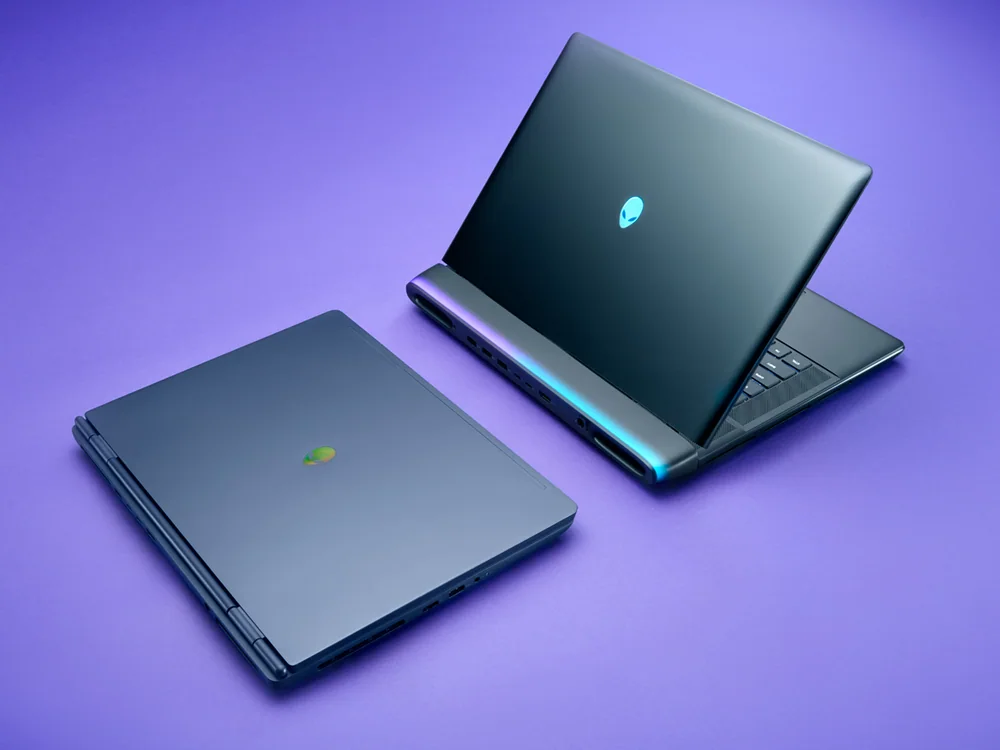
Alienware 16 Area-51 is for buyers who want a premium desktop-replacement gaming laptop and plan to prioritize performance and presence over portability. It is the kind of machine that makes sense when VR is part of the plan and you want a more premium design direction than budget performance rigs. The catch is simple: the specific strengths that justify choosing it over other premium models are not clearly established here, so it is a more personal-style choice than a slam-dunk recommendation.
Best fit for a premium, desktop-replacement style gaming laptop
Aimed at powerful gaming and VR in a higher-end design direction
Less clearly defined differentiators than the top premium picks in this guide
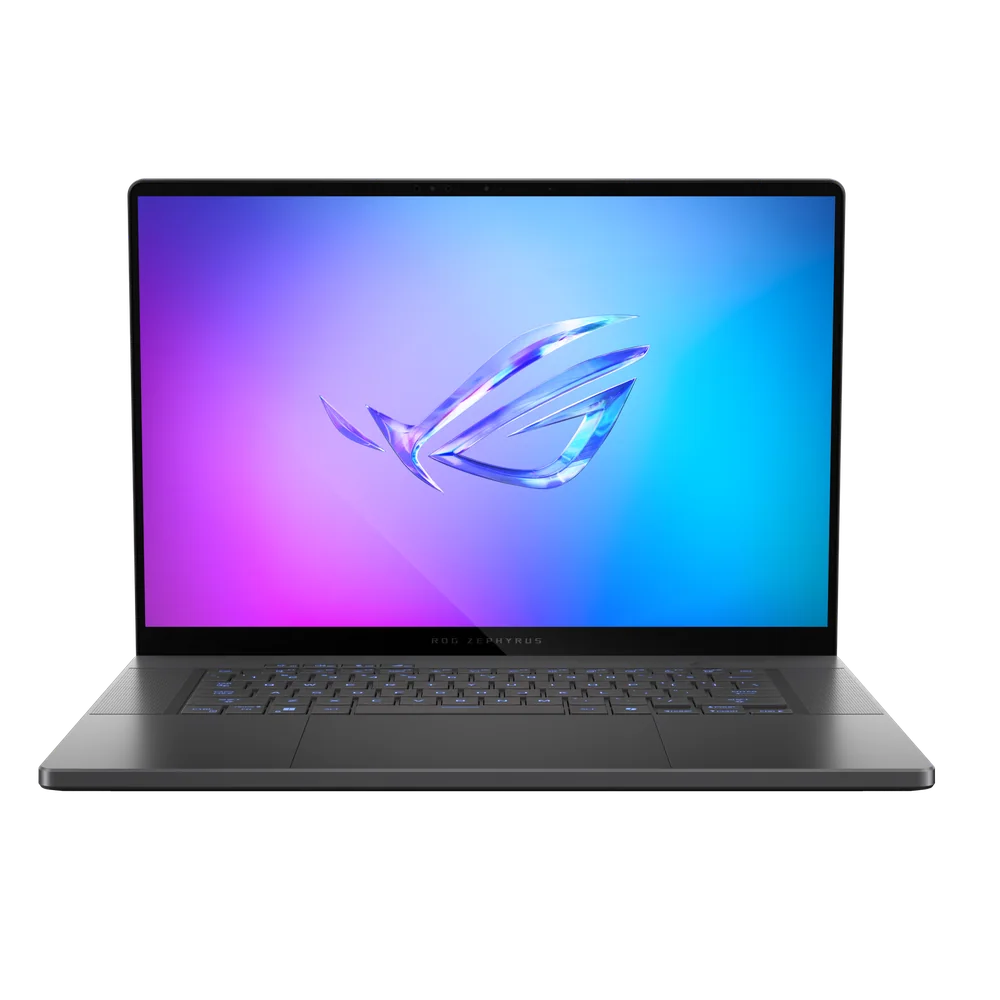
ASUS ROG Zephyrus G16 (2025) is for shoppers who want a mainstream high-performance gaming laptop for VR and do not want to go all the way to a flagship-priced machine. It is a sensible target if you are shopping in the RTX 5060-and-up neighborhood and want a more enthusiast-leaning design than entry-level budget builds. The problem is that the concrete, product-specific reasons to choose this exact model over the better-supported value picks are not clearly established here, so it lands lower on the list.
Mainstream enthusiast direction for serious gaming and VR
Often configured in the RTX 5060-or-better tier that suits VR better than entry-level GPUs
Not enough product-specific detail here to rank it higher than clearer value leaders
What matters most in a gaming laptop for VR gaming?
Start with the GPU tier and overall gaming performance, because VR is less forgiving than flat gaming when frame rates dip. After that, prioritize a good display and practical connectivity so the laptop works well for everyday use and your VR setup.
Are entry-level GPUs good enough for VR?
They can be, especially for lighter VR experiences and careful settings choices. Laptops built around entry-level RTX 5050-class graphics can work, but you will get a more comfortable long-term VR experience by stepping up when you can.
Is an OLED display worth paying for on a VR-capable gaming laptop?
For VR itself, the headset display matters more. But an OLED laptop screen can still be a meaningful upgrade for everything you do outside the headset, like regular gaming, movies, and daily work.
Should I prioritize portability or performance for VR?
If the laptop mostly stays at a desk, a larger chassis often makes sustained gaming performance easier. If you travel or carry it daily, a portable premium model can be the better choice even if you give up some headroom.
What is the most common budget-laptop compromise that affects VR buyers?
Noise and storage are the two that tend to change day-to-day ownership. Loud fans can make long sessions annoying, and limited storage becomes a problem fast once you install a few large games.